
 Image 1 of 6
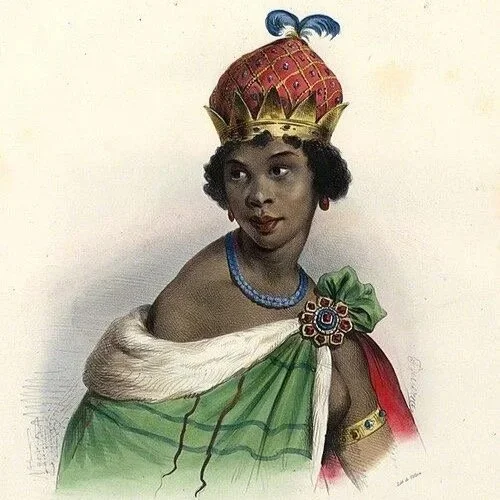 Image 2 of 6
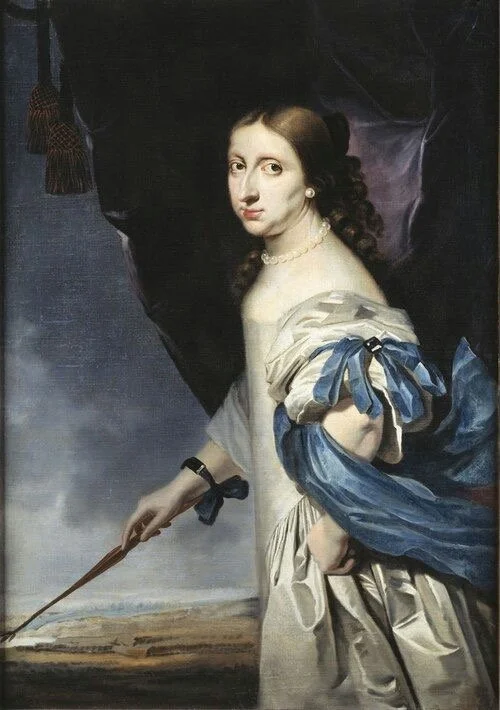 Image 3 of 6
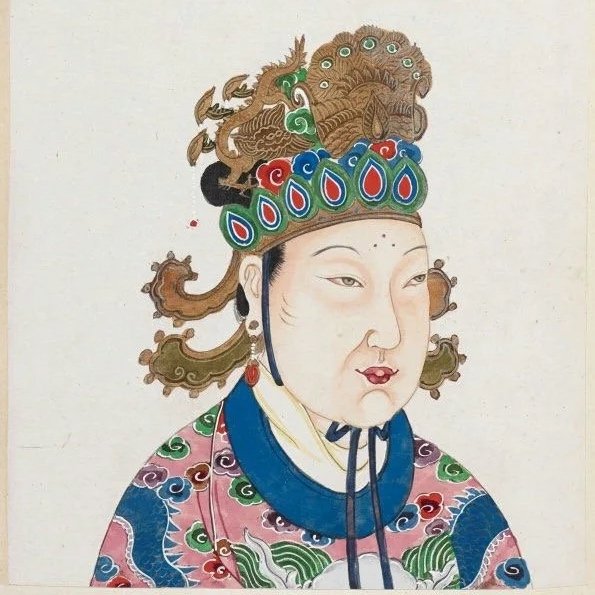 Image 4 of 6
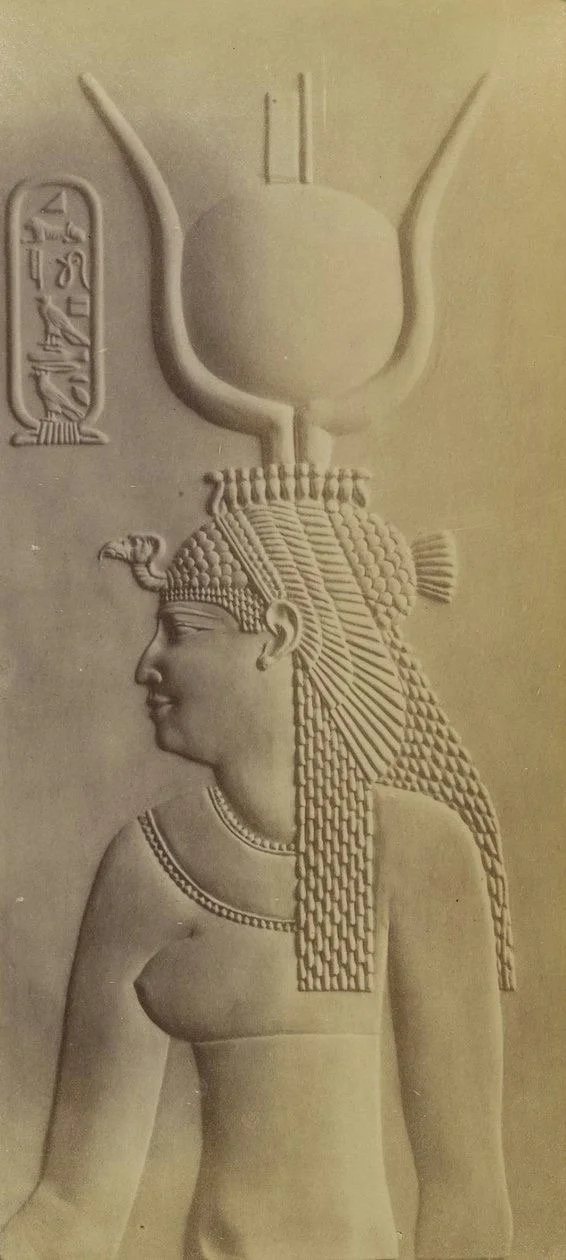 Image 5 of 6
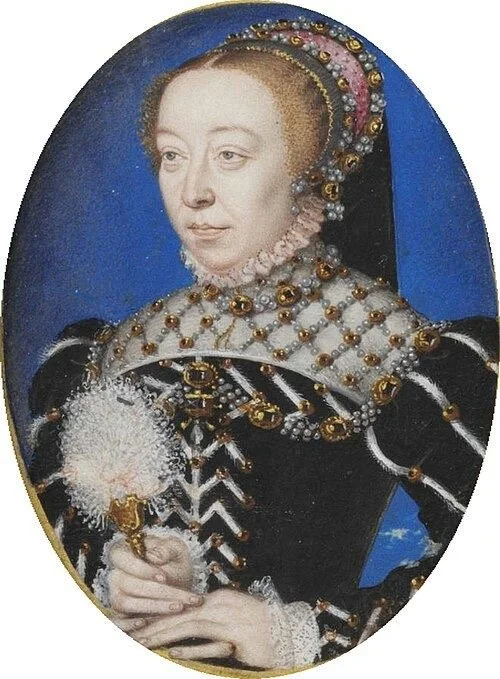 Image 6 of 6
The Queen at Her Magic: Six Female Sovereigns and the Ritual Strategies of Power with Cultural Historian Jason Lahman, Begins ___
Six Week Class Taught Online Via Zoom
Sundays, ___-____, 2026
2:00 - 4:00pm ET (NYC Time)
$160 Paid Patreon Members / $185 General Admission
PLEASE NOTE: Classes will be recorded and archived for students who cannot make that time
What did it mean for a queen to rule by magic? Over the course of six weeks, we will delve into the lives of six extraordinary ruling women whose authority was made visible through omens, ceremony, alchemy, sacred images, and the mysterious powers that stood behind a throne.
Magic, in this case, describes something larger than spells or the occult. It encompasses the mysterious realm by which a queen herself understood, claimed, and performed her authority: public ceremony, private ritual, consultation of omens, identification with gods, supplication to ancestors, and the strategic use of images and symbols that conveyed why a queen had the right to rule, and which illustrated the ways in which she stood at the peak of the earthly order of reality. Within these larger cultural complexes, we will also encounter magic in its more familiar forms: astrology, alchemy, divination, ancient incantations, necromancy and the appearance of yielding to dark powers.
Across six weeks we will meet six remarkable women whose reigns span nearly two thousand years and three continents: Cleopatra VII (69–30 BCE), last ruler of Ptolemaic Egypt; Wu Zetian (624–705), China’s only reigning empress; Catherine de’ Medici (1519–1589), queen and queen mother of France; Elizabeth I (1533–1603), England’s Virgin Queen; Christina of Sweden (1626–1689), queen, scholar, collector, and seeker of hidden knowledge; and Nzinga Mbande (c. 1583–1663), ruler of Ndongo and Matamba in Central Africa who artfully navigated the terrific challenges of early colonialism. Each offers a strikingly different way of considering the relationship between female rule and the unseen: the pharaoh as divine sovereign, the emperor foretold by prophecy, the Renaissance queen consulting the stars, the monarch transformed into sacred image, the royal alchemist in search of nature’s secrets, and the African ruler moving among ancestors, spirit specialists, and foreign saints.
The course will also consider how we recover these vanished worlds, and whose testimony we trust. Alongside European accounts, we will draw upon Egyptian, Chinese, Buddhist, and Central African sources, material culture, religious traditions, and contemporary scholarship. Cleopatra cannot be understood solely through the hostile imagination of Rome, nor Nzinga through the writings of Portuguese missionaries. Categories such as religion, science, superstition, and the occult have histories of their own, and cannot simply be imposed upon cultures that understood these practices differently. Rather than carrying a single definition of magic across continents and centuries, we will begin with the worlds these women inhabited. Our task will be to ask what they—and the cultures around them—believed they were doing when they exercised power through systems that appeared to connect them to invisible forces.
Week One: Cleopatra: At Her Magic in the Temples of Isis
Before Cleopatra became the enchantress of Roman legend, she was a pharaoh ruling an ancient culture where kingship, divinity, and ritual were inseparable. We will encounter her through Egyptian as well as Greco-Roman sources: her identification with Isis, the sacred power of heka, temple ritual and priesthoods, royal cult, and the extraordinary images at Dendera that show Cleopatra and Caesarion within the ancient language of Egyptian divine kingship. We will then ask how Rome transformed this sacred queen into something very different—the seductive Eastern sorceress whose dangerous magic could supposedly enthrall men and threaten an empire.
Week Two: Wu Zetian: At Her Magic Among Omens and Prophecies
How could a woman become emperor in a political cosmos built around male rule? Wu Zetian's path was extraordinary: she drew upon Buddhist prophecy, sacred relics, heavenly omens, imperial sacrifice, divine female precedents, and the Mandate of Heaven itself. Buddhist texts could be read as foretelling the coming of a female universal ruler, while ceremonies at sacred mountains joined her reign to Heaven and Earth. Working closely with Chinese and Buddhist sources, we will explore how Wu fashioned a new sacred language for female sovereignty—and how her enemies answered with ominous stories of a woman whose rule had overturned the natural order.
Week Three: Catherine de' Medici: At Her Magic Among the Stars
Did Catherine de' Medici actually practice magic? Here we enter the glittering and dangerous world of Renaissance astrology, prophecy, talismans, occult philosophy, and court spectacle. We will investigate Catherine's astrologers and her relationship with Nostradamus, the Renaissance belief that celestial forces might act through images and objects, and the extraordinary festivals in which pagan gods, personified planets and classical daimones transformed the Valois court into a spectacle of cosmic monarchy. But we will also follow the darker narratives that congealed around Catherine: the Serpent Queen as poisoner, necromancer, and perhaps the last of Europe’s great sorceresses.
Week Four: Elizabeth I: At Her Magic in the Theater of Monarchy
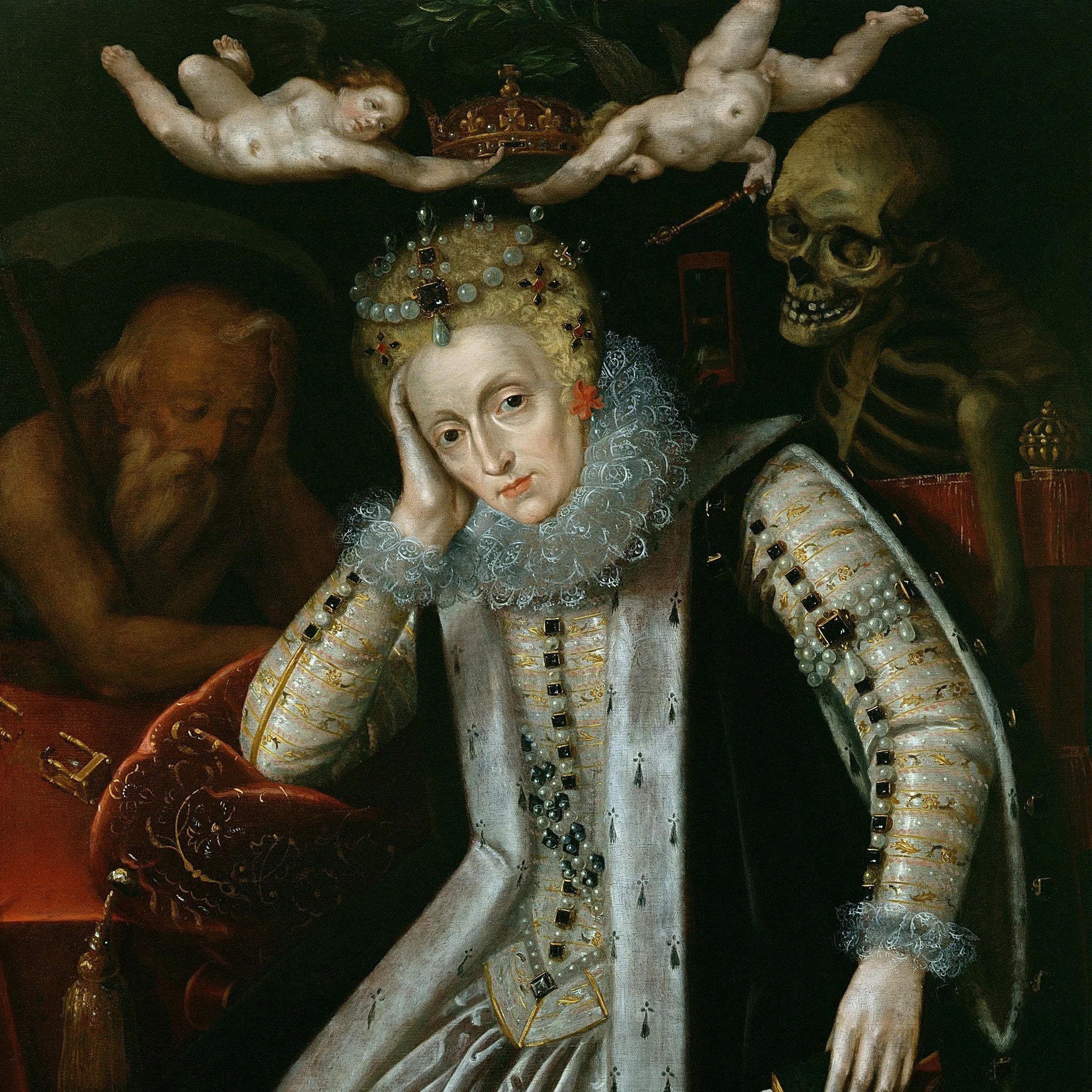
Elizabeth embodied many archetypes: The Holy Virgin, Deborah the Prophet, and the Goddess-Nymphs Astraea, Cynthia, Diana—a historical woman gradually surrounded by sacred and mythological identities. We will explore her coronation and royal patronage of the great poets and artists of her time, the strange survival of the monarch's healing touch, her canny use of male symbolism and the language of kingship, and her connection with the remarkable Dr. John Dee—mathematician, astrologer, imperial visionary, and eventually angelic magician. Portraits, pageants, Biblical prophecy, classical goddesses, and royal ritual transformed Elizabeth's physical presence into a numinous image of the kingdom itself: Hail Gloriana!
Week Five: Christina of Sweden: At Her Magic Among Philosophers and Alchemists
Christina may be our strangest—and most genuinely occult—queen. She collected Hermetic and alchemical manuscripts, corresponded with alchemists, pursued the secrets of transmutation and universal medicine, and actually participated in alchemical experiments. After abdicating her Protestant throne and converting to Catholicism, she entered Rome as both royal celebrity and religious prodigy, surrounding herself with philosophers, antiquarians, proto-scientists and seekers of hidden knowledge. Christina takes us into a seventeenth-century world before science, philosophy, theology, and natural magic had fully gone their separate way.
Week Six: Nzinga: At Her Magic Through Ancestors, Spirits, and Saints
Nzinga brings us into a cultural world that European colonizers barely understood. Drawing upon Central African sources and scholarship alongside Portuguese accounts, we will explore ancestral power, sacred kingship, spirit mediums, Imbangala ritual, indigenous divination, war strategy, and Nzinga's remarkable movement between African religious traditions and Iberian Christianity. Baptized as Ana de Sousa, she could negotiate with missionaries and invoke Christian sacred power while inhabiting a world where ancestors and spirit specialists remained politically and ritually potent. We will also confront the frightening European stories of African "witchcraft," sacrifice, and sorcery and ask what colonial observers actually witnessed—and what they distorted bringing us back to a central question: whose definition of magic are we using when a queen is “at her magic”?
Jason Lahman is an artist and cultural historian focusing on the intersection of science, technology and the occult. He has taught a number of courses for Morbid
Anatomy including histories of fairies, robots, the femme fatale archetype, the Gothic, St. Joan of Arc and the city of Paris.
Images: Allegorical painting of Queen Elizabeth I with figures symbolizing Father Time and Death (c. 1610); Posthumous lithograph of Njinga of Ndongo and Matamba by Achille Devéria, 1830s, after a portrait on parchment stored in a convent in Coimbra; Portrait of Christina; painted in 1661 by Abraham Wuchters; 18th century album of portraits of 86 emperors of China; Relief of Queen Cleopatra VII stylized as the goddess Isis from the exterior walls of the Dendera Temple Complex in Egypt; Catherine de'Medici attributed to François Clouet, c. 1555.
Six Week Class Taught Online Via Zoom
Sundays, ___-____, 2026
2:00 - 4:00pm ET (NYC Time)
$160 Paid Patreon Members / $185 General Admission
PLEASE NOTE: Classes will be recorded and archived for students who cannot make that time
What did it mean for a queen to rule by magic? Over the course of six weeks, we will delve into the lives of six extraordinary ruling women whose authority was made visible through omens, ceremony, alchemy, sacred images, and the mysterious powers that stood behind a throne.
Magic, in this case, describes something larger than spells or the occult. It encompasses the mysterious realm by which a queen herself understood, claimed, and performed her authority: public ceremony, private ritual, consultation of omens, identification with gods, supplication to ancestors, and the strategic use of images and symbols that conveyed why a queen had the right to rule, and which illustrated the ways in which she stood at the peak of the earthly order of reality. Within these larger cultural complexes, we will also encounter magic in its more familiar forms: astrology, alchemy, divination, ancient incantations, necromancy and the appearance of yielding to dark powers.
Across six weeks we will meet six remarkable women whose reigns span nearly two thousand years and three continents: Cleopatra VII (69–30 BCE), last ruler of Ptolemaic Egypt; Wu Zetian (624–705), China’s only reigning empress; Catherine de’ Medici (1519–1589), queen and queen mother of France; Elizabeth I (1533–1603), England’s Virgin Queen; Christina of Sweden (1626–1689), queen, scholar, collector, and seeker of hidden knowledge; and Nzinga Mbande (c. 1583–1663), ruler of Ndongo and Matamba in Central Africa who artfully navigated the terrific challenges of early colonialism. Each offers a strikingly different way of considering the relationship between female rule and the unseen: the pharaoh as divine sovereign, the emperor foretold by prophecy, the Renaissance queen consulting the stars, the monarch transformed into sacred image, the royal alchemist in search of nature’s secrets, and the African ruler moving among ancestors, spirit specialists, and foreign saints.
The course will also consider how we recover these vanished worlds, and whose testimony we trust. Alongside European accounts, we will draw upon Egyptian, Chinese, Buddhist, and Central African sources, material culture, religious traditions, and contemporary scholarship. Cleopatra cannot be understood solely through the hostile imagination of Rome, nor Nzinga through the writings of Portuguese missionaries. Categories such as religion, science, superstition, and the occult have histories of their own, and cannot simply be imposed upon cultures that understood these practices differently. Rather than carrying a single definition of magic across continents and centuries, we will begin with the worlds these women inhabited. Our task will be to ask what they—and the cultures around them—believed they were doing when they exercised power through systems that appeared to connect them to invisible forces.
Week One: Cleopatra: At Her Magic in the Temples of Isis
Before Cleopatra became the enchantress of Roman legend, she was a pharaoh ruling an ancient culture where kingship, divinity, and ritual were inseparable. We will encounter her through Egyptian as well as Greco-Roman sources: her identification with Isis, the sacred power of heka, temple ritual and priesthoods, royal cult, and the extraordinary images at Dendera that show Cleopatra and Caesarion within the ancient language of Egyptian divine kingship. We will then ask how Rome transformed this sacred queen into something very different—the seductive Eastern sorceress whose dangerous magic could supposedly enthrall men and threaten an empire.
Week Two: Wu Zetian: At Her Magic Among Omens and Prophecies
How could a woman become emperor in a political cosmos built around male rule? Wu Zetian's path was extraordinary: she drew upon Buddhist prophecy, sacred relics, heavenly omens, imperial sacrifice, divine female precedents, and the Mandate of Heaven itself. Buddhist texts could be read as foretelling the coming of a female universal ruler, while ceremonies at sacred mountains joined her reign to Heaven and Earth. Working closely with Chinese and Buddhist sources, we will explore how Wu fashioned a new sacred language for female sovereignty—and how her enemies answered with ominous stories of a woman whose rule had overturned the natural order.
Week Three: Catherine de' Medici: At Her Magic Among the Stars
Did Catherine de' Medici actually practice magic? Here we enter the glittering and dangerous world of Renaissance astrology, prophecy, talismans, occult philosophy, and court spectacle. We will investigate Catherine's astrologers and her relationship with Nostradamus, the Renaissance belief that celestial forces might act through images and objects, and the extraordinary festivals in which pagan gods, personified planets and classical daimones transformed the Valois court into a spectacle of cosmic monarchy. But we will also follow the darker narratives that congealed around Catherine: the Serpent Queen as poisoner, necromancer, and perhaps the last of Europe’s great sorceresses.
Week Four: Elizabeth I: At Her Magic in the Theater of Monarchy
Elizabeth embodied many archetypes: The Holy Virgin, Deborah the Prophet, and the Goddess-Nymphs Astraea, Cynthia, Diana—a historical woman gradually surrounded by sacred and mythological identities. We will explore her coronation and royal patronage of the great poets and artists of her time, the strange survival of the monarch's healing touch, her canny use of male symbolism and the language of kingship, and her connection with the remarkable Dr. John Dee—mathematician, astrologer, imperial visionary, and eventually angelic magician. Portraits, pageants, Biblical prophecy, classical goddesses, and royal ritual transformed Elizabeth's physical presence into a numinous image of the kingdom itself: Hail Gloriana!
Week Five: Christina of Sweden: At Her Magic Among Philosophers and Alchemists
Christina may be our strangest—and most genuinely occult—queen. She collected Hermetic and alchemical manuscripts, corresponded with alchemists, pursued the secrets of transmutation and universal medicine, and actually participated in alchemical experiments. After abdicating her Protestant throne and converting to Catholicism, she entered Rome as both royal celebrity and religious prodigy, surrounding herself with philosophers, antiquarians, proto-scientists and seekers of hidden knowledge. Christina takes us into a seventeenth-century world before science, philosophy, theology, and natural magic had fully gone their separate way.
Week Six: Nzinga: At Her Magic Through Ancestors, Spirits, and Saints
Nzinga brings us into a cultural world that European colonizers barely understood. Drawing upon Central African sources and scholarship alongside Portuguese accounts, we will explore ancestral power, sacred kingship, spirit mediums, Imbangala ritual, indigenous divination, war strategy, and Nzinga's remarkable movement between African religious traditions and Iberian Christianity. Baptized as Ana de Sousa, she could negotiate with missionaries and invoke Christian sacred power while inhabiting a world where ancestors and spirit specialists remained politically and ritually potent. We will also confront the frightening European stories of African "witchcraft," sacrifice, and sorcery and ask what colonial observers actually witnessed—and what they distorted bringing us back to a central question: whose definition of magic are we using when a queen is “at her magic”?
Jason Lahman is an artist and cultural historian focusing on the intersection of science, technology and the occult. He has taught a number of courses for Morbid
Anatomy including histories of fairies, robots, the femme fatale archetype, the Gothic, St. Joan of Arc and the city of Paris.
Images: Allegorical painting of Queen Elizabeth I with figures symbolizing Father Time and Death (c. 1610); Posthumous lithograph of Njinga of Ndongo and Matamba by Achille Devéria, 1830s, after a portrait on parchment stored in a convent in Coimbra; Portrait of Christina; painted in 1661 by Abraham Wuchters; 18th century album of portraits of 86 emperors of China; Relief of Queen Cleopatra VII stylized as the goddess Isis from the exterior walls of the Dendera Temple Complex in Egypt; Catherine de'Medici attributed to François Clouet, c. 1555.