
 Image 1 of 4
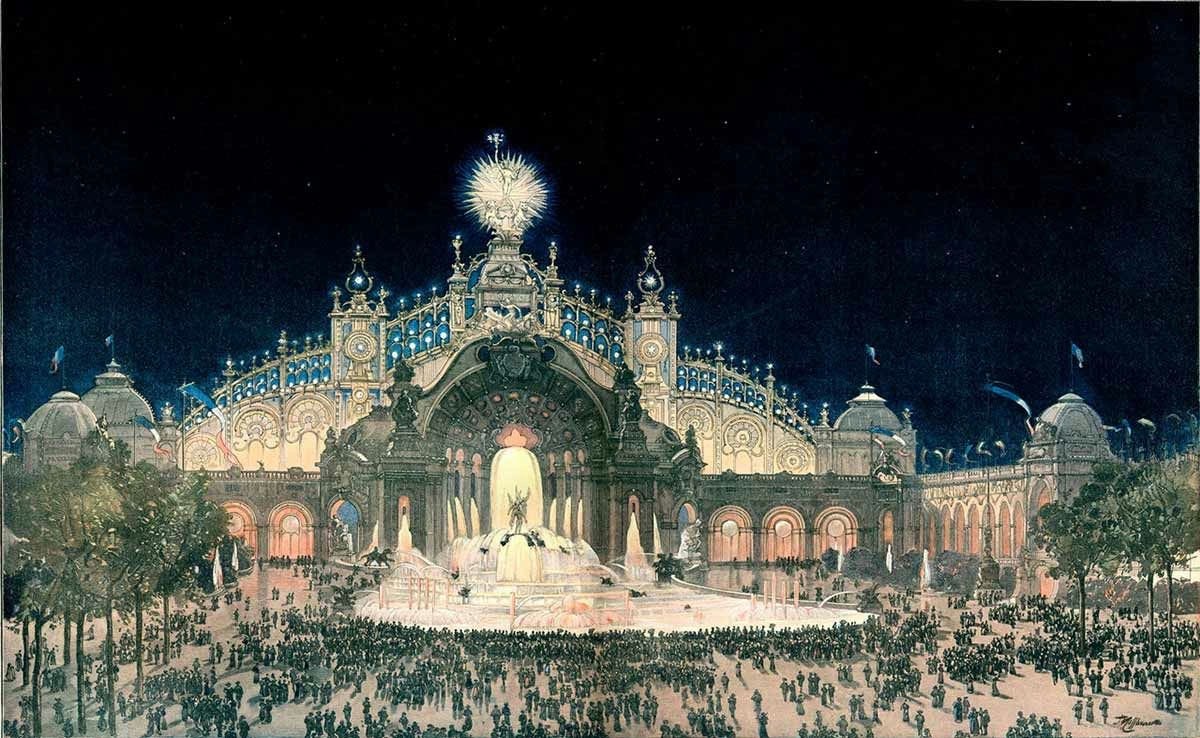 Image 2 of 4
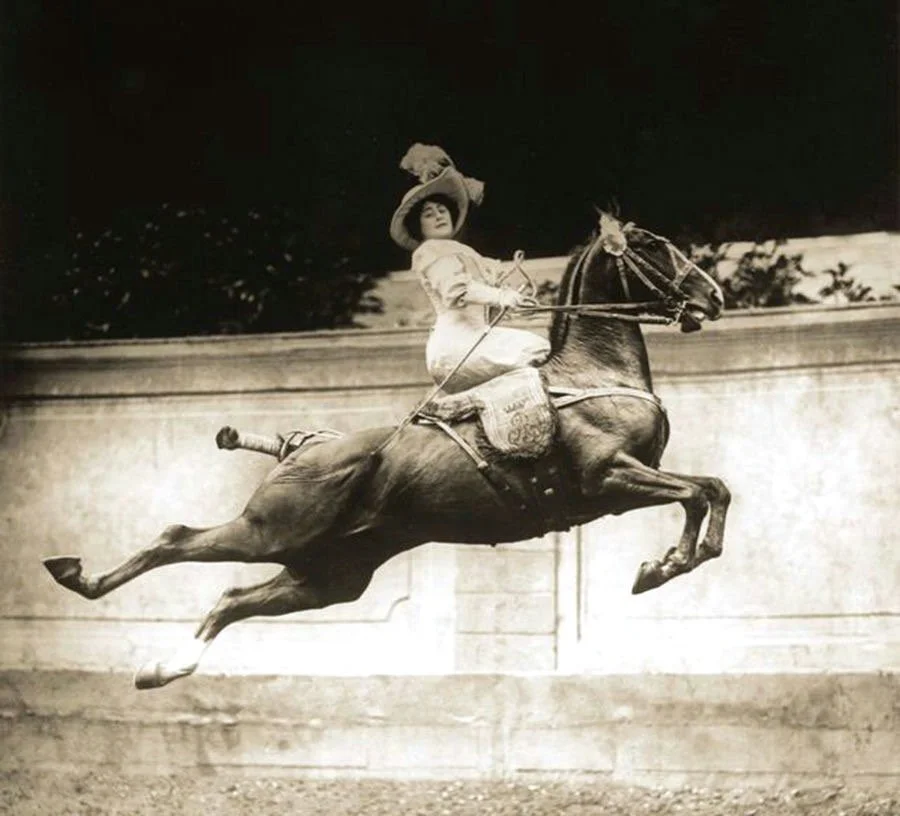 Image 3 of 4
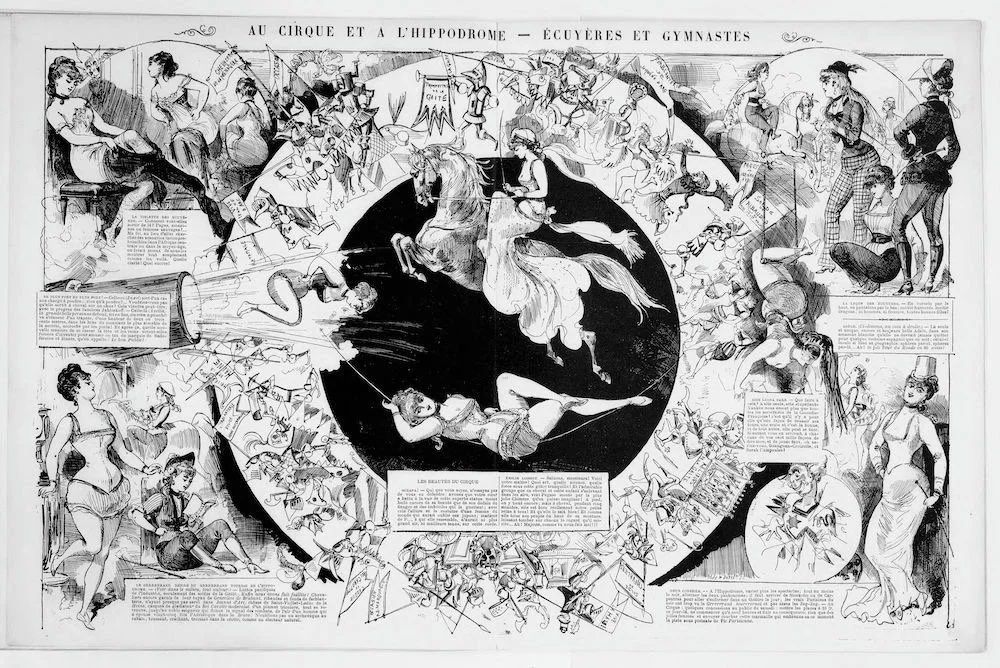 Image 4 of 4
Six Week Class Taught Online Via Zoom
Sundays, September 6 - October 11, 2026
2:00 - 4:00pm ET (NYC Time)
$160 Paid Patreon Members / $185 General Admission
PLEASE NOTE: Classes will be recorded and archived for students who cannot make that time
In this lavish six-week course, we will take a deep dive into the long nineteenth century, when Paris became more than a capital city—it became a vast, interlocking system of fantasies, a living dreamworld. Scarred and haunted by the bloody upheavals of the French Revolution and demolished and rebuilt by Baron Haussmann in mid-century, this ancient and modern metropolis emerged as a global stage where reality was transmogrified through ritual, spectacle, and sensation in an era christened "La Belle Époque".
From the bizarre deistic festivals and public executions of the Reign of Terror to the imperial myth-making of the Bonapartes, from the Orientalist projections of the Romantics and the occult obsessions of the Symbolists to the industrial marvels of Les Expositions Universelles, Paris dazzled and seduced—a phantasmagoric carousel where intricate politics, unchecked desire, and material wonders converged. This dreamworld extended into the very fabric of the new high bourgeois culture catering to locals and tourists alike: shopping for luxury in Les Grands Magasins, the acrobatic and erotic entertainments of the Hippodrome, guided descents into the sewers, and the unsettling public display of anonymous corpses in the Paris morgue, where death itself became a sacred spectacle.
Over the course of of six weeks, we will trace both the construction/reconstruction and the consumption/cultural critique of this labyrinthian dreamworld: one made not only of stone, glass, and steel, but of glittering images, theatrical performances, and collective hallucinations. We will end the course in the fin de siècle, the final decades before the First World War, when the machinery of spectacle no longer expanded outward but seemed to fold back in on itself, producing a consumer culture of almost unbearable artifice, sensory excess, and growing estrangement from the darker realities of colonial overreach and crony capitalism. Paris in the 19th century continues to fascinate a global audience for so much of what is found there is at the root of our contemporary cultural experience.
CLASS SCHEDULE
Week 1: The Rituals, Dreams, and Nightmares of Revolution
We begin with revolutionary Paris in the 1790's as a theater of sacred violence and symbolic transformation. Festivals, executions, and new civic cults reimagine time, space, and the body politic, generating both utopian visions and enduring psychological and cultural phantoms.
Week 2: Napoleon- World Spirit, Anti-Christ, and Modern Legend
Napoleon Bonaparte emerges as both historical figure and mythic construct: military genius, imperial icon, and apocalyptic specter. Through propaganda, painting and his inauguration of the idea of mercantile "meritocracy", Paris becomes the stage for a new politics of charisma, spectacle, and legend-making.
Week 3: Romantic Paris — Artists, Visions, and the City as Dream
With the Romantics, Paris becomes a landscape of reverie, alienation, and visionary intensity. The artist, dandy, and flâneur transform the modern city into a source of new kinds of perception, where beauty and unease coexist, and subjects heretofore ignored by artists become central.
Week 4: Splendor and Sensation — World’s Fairs, Consumer Culture, and Urban Display
Paris sells itself through spectacle. World’s Fairs, crystalline arcades, department stores, and new entertainments produce a culture of display, desire, and mass spectatorship, turning the city into a generator of exotic wonder, technological awe and frivolous distraction.
Week 5: Sex, Performance, and the Theatrical City
This week turns to the erotic and performative life of Paris: sex work and the lives of "les grandes horizontales", celebrity culture, and the demi-monde. Courtesan (and later aristocrat) La Païva and superstar Sarah Bernhardt reveal how eroticism, performance, luxury, gender, and self-invention converge in a city where identity itself becomes spectacle.
Week 6: Optical Paris — Photography, Early Cinema, and the Machinery of Vision
In the final week, we examine the technologies that transform modern perception itself: photography, optical entertainments, and early cinema. Through the evolution of moving images, Paris becomes a laboratory of vision—where reality is captured, manipulated, and reproduced, and where the dreamworld of the nineteenth century finds its most precise and enduring form.
Jason Lahman is an artist and cultural historian specializing in the history of technology, science and the occult. He has lectured often and taught a number of classes for Morbid Anatomy including A Cultural History of Robots, A History of Fairies and a two part course on the history of the Femme Fatale.
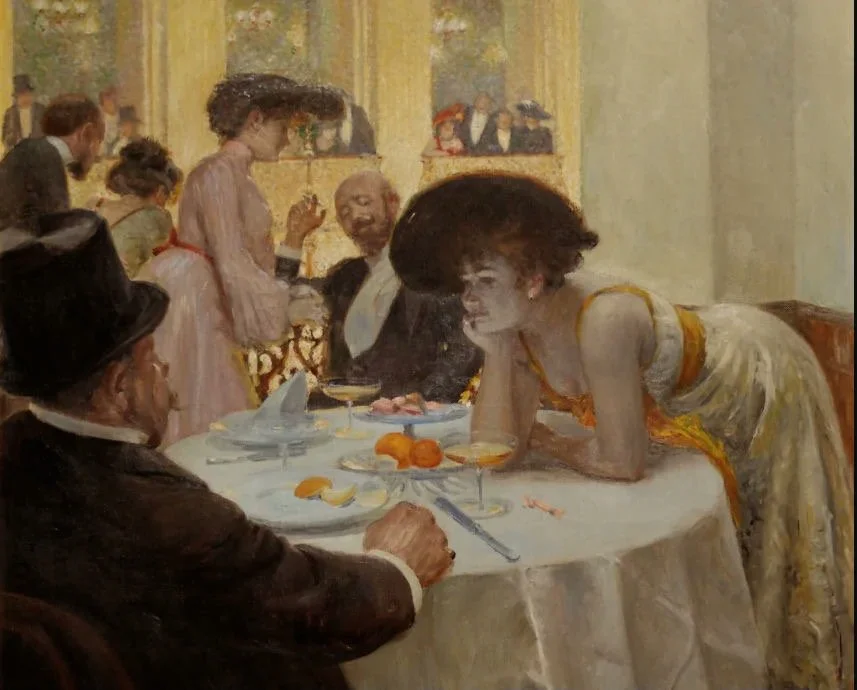
Images: Palace of Electricity, Paris Exposition,” ca. 1900, Unknown; Saint Nicholas of Tolentino,” ca. 1601, Juan Pantoja de la Cruz; Blanche Allarty, Belle Époque Horsewoman and Performer, c. 1900, Unknown.
Six Week Class Taught Online Via Zoom
Sundays, September 6 - October 11, 2026
2:00 - 4:00pm ET (NYC Time)
$160 Paid Patreon Members / $185 General Admission
PLEASE NOTE: Classes will be recorded and archived for students who cannot make that time
In this lavish six-week course, we will take a deep dive into the long nineteenth century, when Paris became more than a capital city—it became a vast, interlocking system of fantasies, a living dreamworld. Scarred and haunted by the bloody upheavals of the French Revolution and demolished and rebuilt by Baron Haussmann in mid-century, this ancient and modern metropolis emerged as a global stage where reality was transmogrified through ritual, spectacle, and sensation in an era christened "La Belle Époque".
From the bizarre deistic festivals and public executions of the Reign of Terror to the imperial myth-making of the Bonapartes, from the Orientalist projections of the Romantics and the occult obsessions of the Symbolists to the industrial marvels of Les Expositions Universelles, Paris dazzled and seduced—a phantasmagoric carousel where intricate politics, unchecked desire, and material wonders converged. This dreamworld extended into the very fabric of the new high bourgeois culture catering to locals and tourists alike: shopping for luxury in Les Grands Magasins, the acrobatic and erotic entertainments of the Hippodrome, guided descents into the sewers, and the unsettling public display of anonymous corpses in the Paris morgue, where death itself became a sacred spectacle.
Over the course of of six weeks, we will trace both the construction/reconstruction and the consumption/cultural critique of this labyrinthian dreamworld: one made not only of stone, glass, and steel, but of glittering images, theatrical performances, and collective hallucinations. We will end the course in the fin de siècle, the final decades before the First World War, when the machinery of spectacle no longer expanded outward but seemed to fold back in on itself, producing a consumer culture of almost unbearable artifice, sensory excess, and growing estrangement from the darker realities of colonial overreach and crony capitalism. Paris in the 19th century continues to fascinate a global audience for so much of what is found there is at the root of our contemporary cultural experience.
CLASS SCHEDULE
Week 1: The Rituals, Dreams, and Nightmares of Revolution
We begin with revolutionary Paris in the 1790's as a theater of sacred violence and symbolic transformation. Festivals, executions, and new civic cults reimagine time, space, and the body politic, generating both utopian visions and enduring psychological and cultural phantoms.
Week 2: Napoleon- World Spirit, Anti-Christ, and Modern Legend
Napoleon Bonaparte emerges as both historical figure and mythic construct: military genius, imperial icon, and apocalyptic specter. Through propaganda, painting and his inauguration of the idea of mercantile "meritocracy", Paris becomes the stage for a new politics of charisma, spectacle, and legend-making.
Week 3: Romantic Paris — Artists, Visions, and the City as Dream
With the Romantics, Paris becomes a landscape of reverie, alienation, and visionary intensity. The artist, dandy, and flâneur transform the modern city into a source of new kinds of perception, where beauty and unease coexist, and subjects heretofore ignored by artists become central.
Week 4: Splendor and Sensation — World’s Fairs, Consumer Culture, and Urban Display
Paris sells itself through spectacle. World’s Fairs, crystalline arcades, department stores, and new entertainments produce a culture of display, desire, and mass spectatorship, turning the city into a generator of exotic wonder, technological awe and frivolous distraction.
Week 5: Sex, Performance, and the Theatrical City
This week turns to the erotic and performative life of Paris: sex work and the lives of "les grandes horizontales", celebrity culture, and the demi-monde. Courtesan (and later aristocrat) La Païva and superstar Sarah Bernhardt reveal how eroticism, performance, luxury, gender, and self-invention converge in a city where identity itself becomes spectacle.
Week 6: Optical Paris — Photography, Early Cinema, and the Machinery of Vision
In the final week, we examine the technologies that transform modern perception itself: photography, optical entertainments, and early cinema. Through the evolution of moving images, Paris becomes a laboratory of vision—where reality is captured, manipulated, and reproduced, and where the dreamworld of the nineteenth century finds its most precise and enduring form.
Jason Lahman is an artist and cultural historian specializing in the history of technology, science and the occult. He has lectured often and taught a number of classes for Morbid Anatomy including A Cultural History of Robots, A History of Fairies and a two part course on the history of the Femme Fatale.
Images: Palace of Electricity, Paris Exposition,” ca. 1900, Unknown; Saint Nicholas of Tolentino,” ca. 1601, Juan Pantoja de la Cruz; Blanche Allarty, Belle Époque Horsewoman and Performer, c. 1900, Unknown.