
 Image 1 of 2
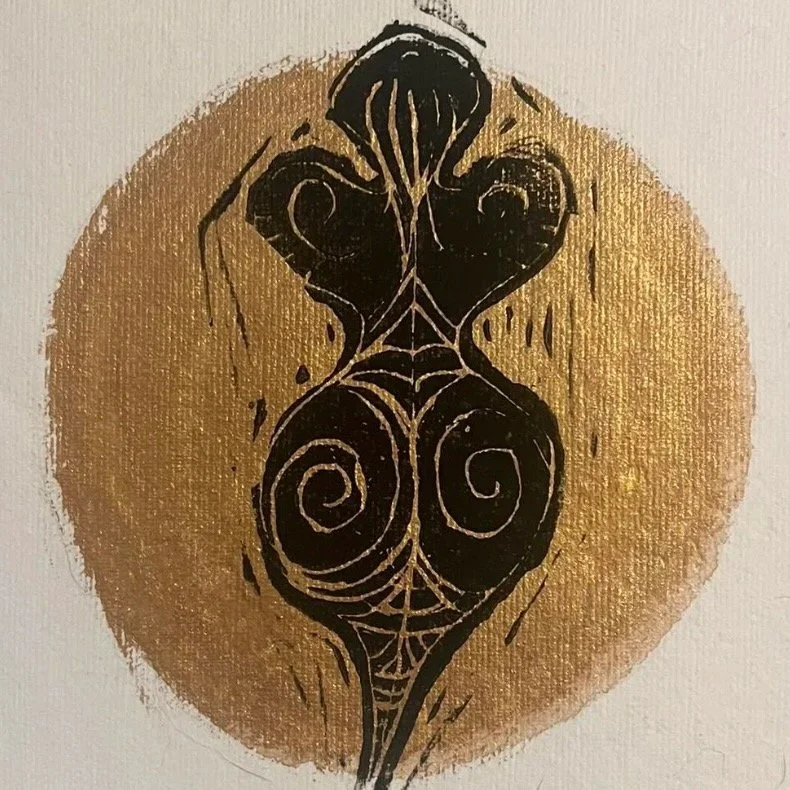 Image 2 of 2
7pm ET (NYC time)
DATE TBD
PLEASE NOTE: A link to a recording of this talk will be sent out to ticket holders after its conclusion. It will also be archived for our Patreon members. Become a Member HERE.
Ticketholders: A Zoom invite is sent out two hours before the event to the email used at checkout. Please check your spam folder and if not received, email hello@morbidanayomy.org. A temporary streaming link will be emailed after the event concludes.
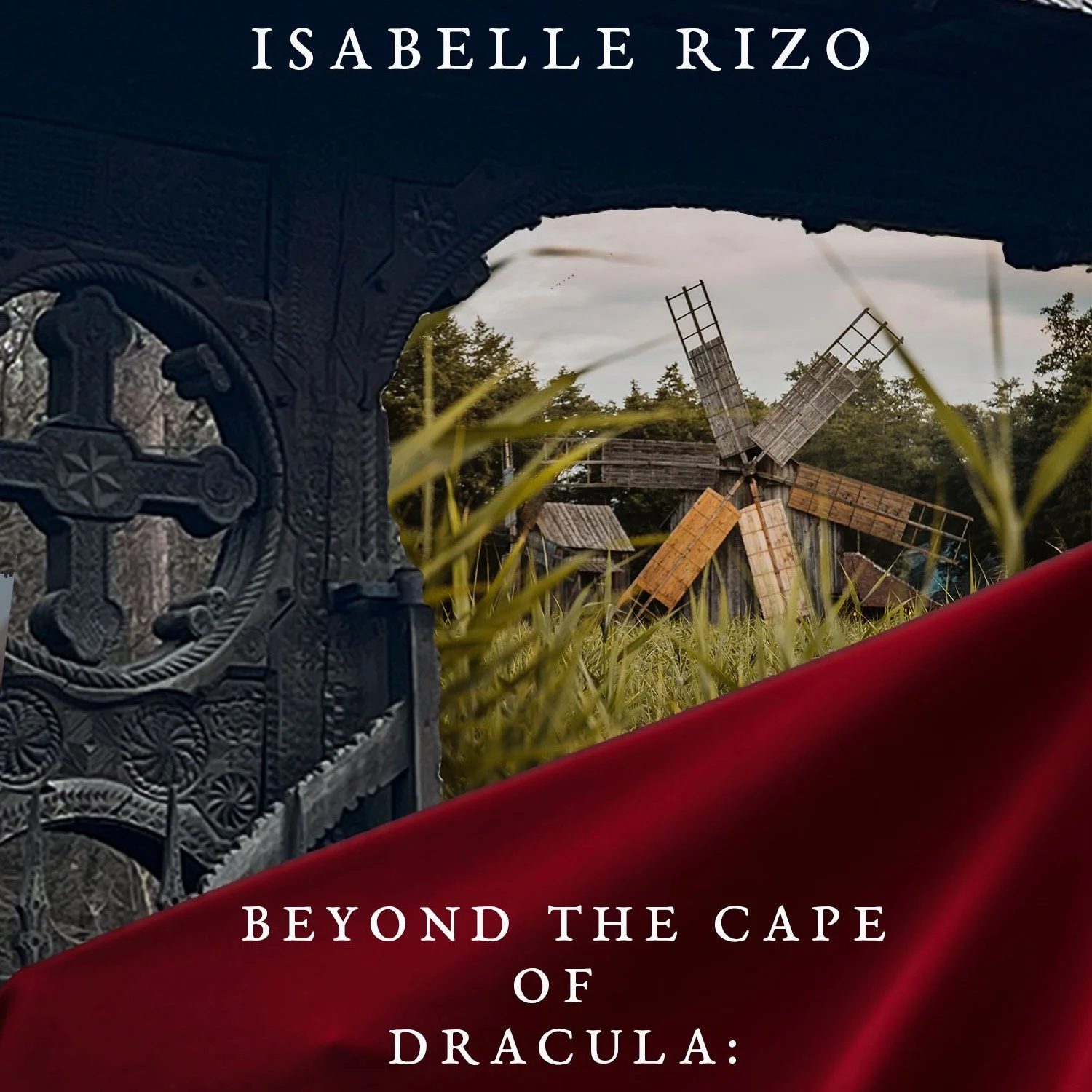
When most people think of Transylvania, they imagine Dracula — a gloomy castle, a pale count, and a story of terror that has haunted Western culture for over a century. But what if this famous myth was never just about vampires? What if it was a clever disguise that helped erase an entire civilization’s sacred heritage?
For the last few years I’ve been investigating how the legend of Dracula became intertwined with Transylvania’s identity — and how this association has obscured a much older and far more astonishing truth. My research traces the region’s cultural roots back to the Neolithic era, when Transylvania was home to some of Europe’s earliest matriarchal societies. These ancient communities developed one of the world’s first symbolic languages — a visual system of spirals, serpents, and sacred geometries that expressed cycles of life, death, and rebirth.
Through fieldwork, folk art analysis, and comparative mythology, I’ve uncovered how both Western colonial narratives and Soviet-era politics worked to suppress Transylvania’s indigenous symbolism. In their efforts to modernize or exoticize the region, these powers recast its spiritual traditions as superstition — turning its goddesses into monsters and its protectors into predators. The vampire became the perfect metaphor: a figure that drains life and story from others.
In this talk, we’ll move beyond the clichés of horror to explore how literature can both shape and silence cultures. We’ll look at how Bram Stoker’s Dracula and Murnau’s Nosferatu borrowed from misunderstood folk traditions, and how their global success cemented a distorted image of Transylvania. We’ll also question what it means when Western narratives — and later, Soviet ideologies — decide who gets to define history, beauty, and truth.
This journey is as much personal as it is scholarly. As an art therapist and ethnographer of Transylvanian descent, I approach this material as both researcher and descendant — reclaiming symbols that were nearly lost to political propaganda and cultural hegemony. My goal is to invite listeners to rethink what we consider “myth” and “history,” and to recognize how the stories we tell can either illuminate or eclipse the societies that birthed them.
Because in the end, Nosferatu is not who you think he is. He is not a monster, he’s a projection of the deep collective fears of the unknown with everything the world tried to forget about Transylvania’s luminous, matriarchal past.
7pm ET (NYC time)
DATE TBD
PLEASE NOTE: A link to a recording of this talk will be sent out to ticket holders after its conclusion. It will also be archived for our Patreon members. Become a Member HERE.
Ticketholders: A Zoom invite is sent out two hours before the event to the email used at checkout. Please check your spam folder and if not received, email hello@morbidanayomy.org. A temporary streaming link will be emailed after the event concludes.
When most people think of Transylvania, they imagine Dracula — a gloomy castle, a pale count, and a story of terror that has haunted Western culture for over a century. But what if this famous myth was never just about vampires? What if it was a clever disguise that helped erase an entire civilization’s sacred heritage?
For the last few years I’ve been investigating how the legend of Dracula became intertwined with Transylvania’s identity — and how this association has obscured a much older and far more astonishing truth. My research traces the region’s cultural roots back to the Neolithic era, when Transylvania was home to some of Europe’s earliest matriarchal societies. These ancient communities developed one of the world’s first symbolic languages — a visual system of spirals, serpents, and sacred geometries that expressed cycles of life, death, and rebirth.
Through fieldwork, folk art analysis, and comparative mythology, I’ve uncovered how both Western colonial narratives and Soviet-era politics worked to suppress Transylvania’s indigenous symbolism. In their efforts to modernize or exoticize the region, these powers recast its spiritual traditions as superstition — turning its goddesses into monsters and its protectors into predators. The vampire became the perfect metaphor: a figure that drains life and story from others.
In this talk, we’ll move beyond the clichés of horror to explore how literature can both shape and silence cultures. We’ll look at how Bram Stoker’s Dracula and Murnau’s Nosferatu borrowed from misunderstood folk traditions, and how their global success cemented a distorted image of Transylvania. We’ll also question what it means when Western narratives — and later, Soviet ideologies — decide who gets to define history, beauty, and truth.
This journey is as much personal as it is scholarly. As an art therapist and ethnographer of Transylvanian descent, I approach this material as both researcher and descendant — reclaiming symbols that were nearly lost to political propaganda and cultural hegemony. My goal is to invite listeners to rethink what we consider “myth” and “history,” and to recognize how the stories we tell can either illuminate or eclipse the societies that birthed them.
Because in the end, Nosferatu is not who you think he is. He is not a monster, he’s a projection of the deep collective fears of the unknown with everything the world tried to forget about Transylvania’s luminous, matriarchal past.