
 Image 1 of 5
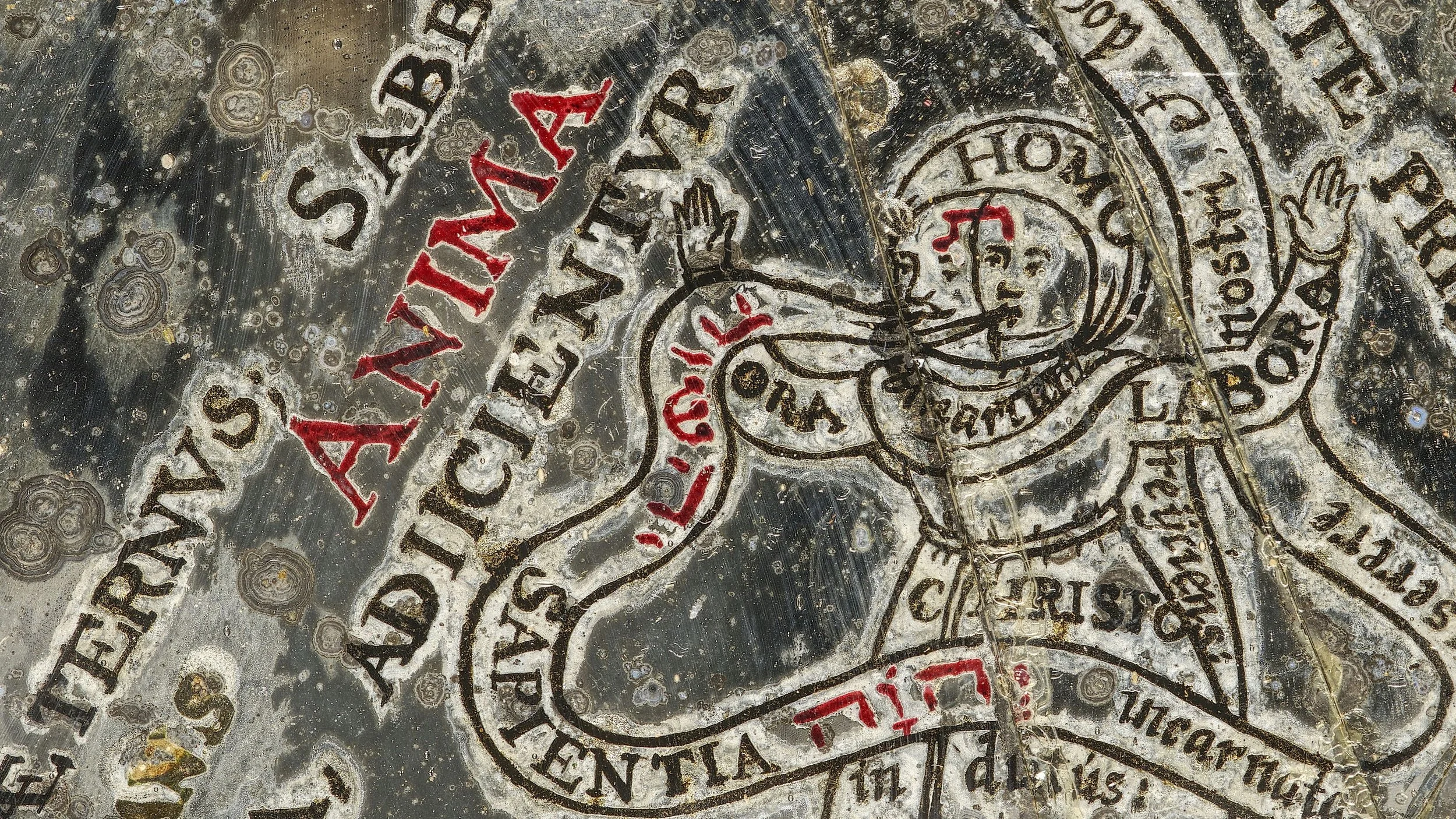 Image 2 of 5
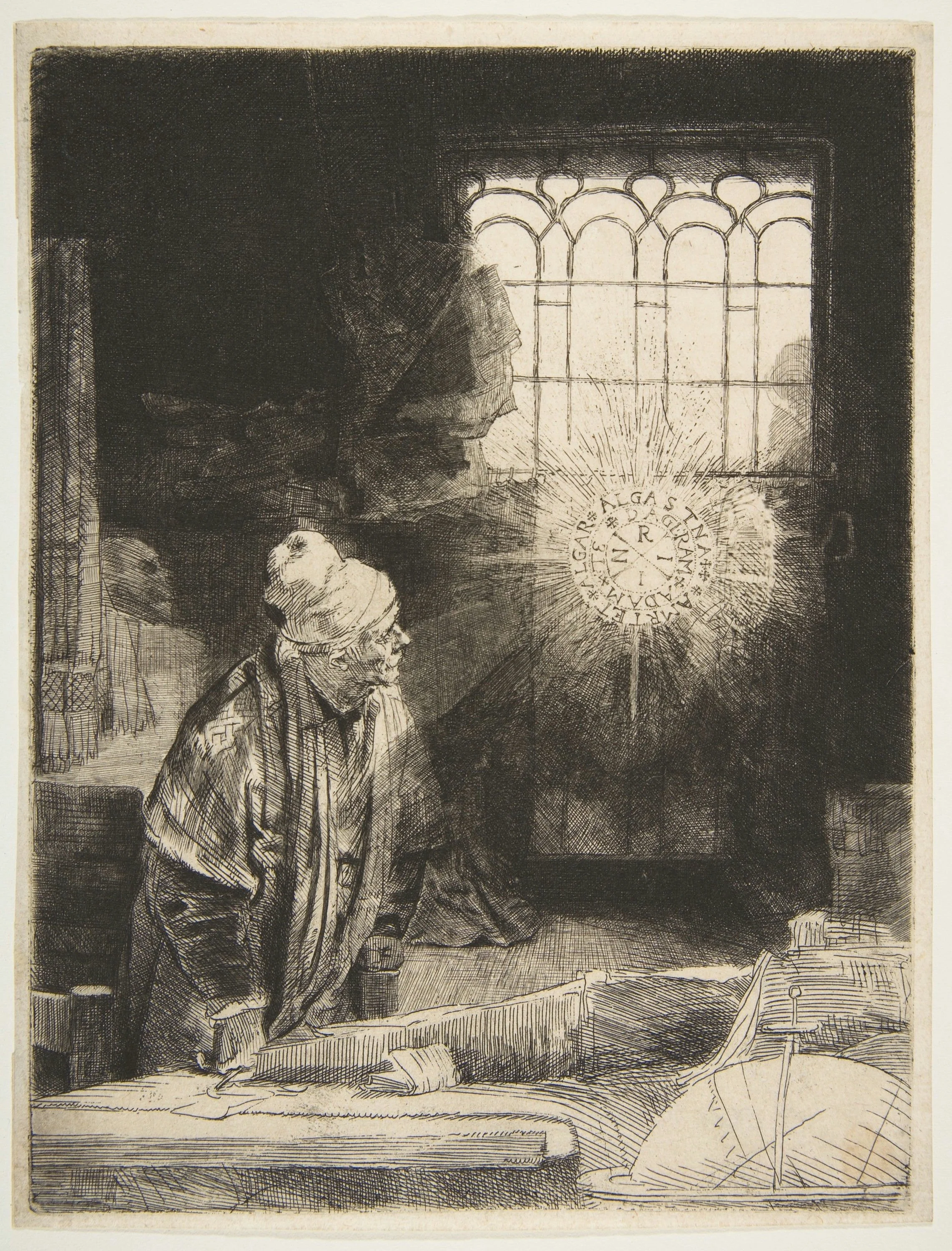 Image 3 of 5
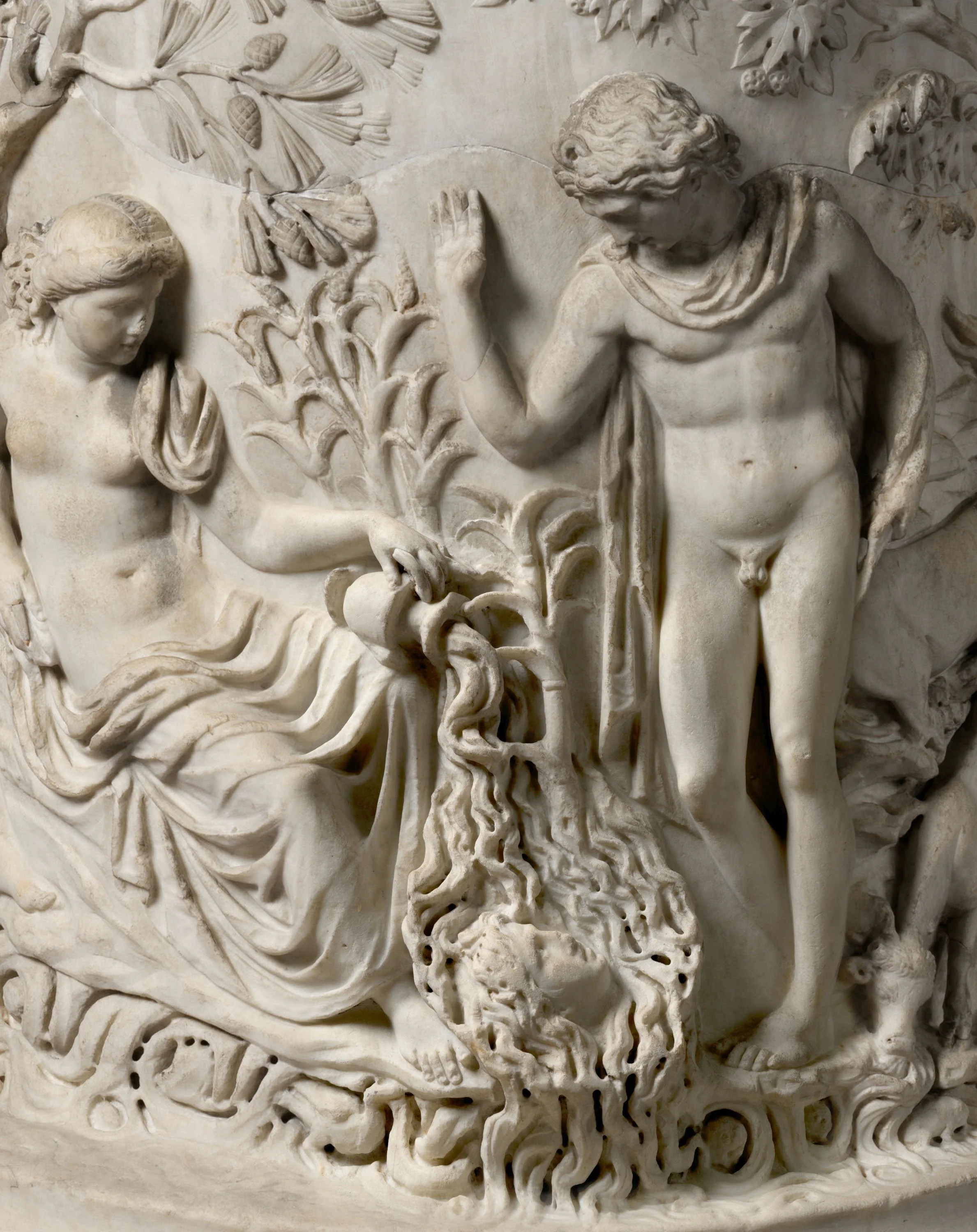 Image 4 of 5
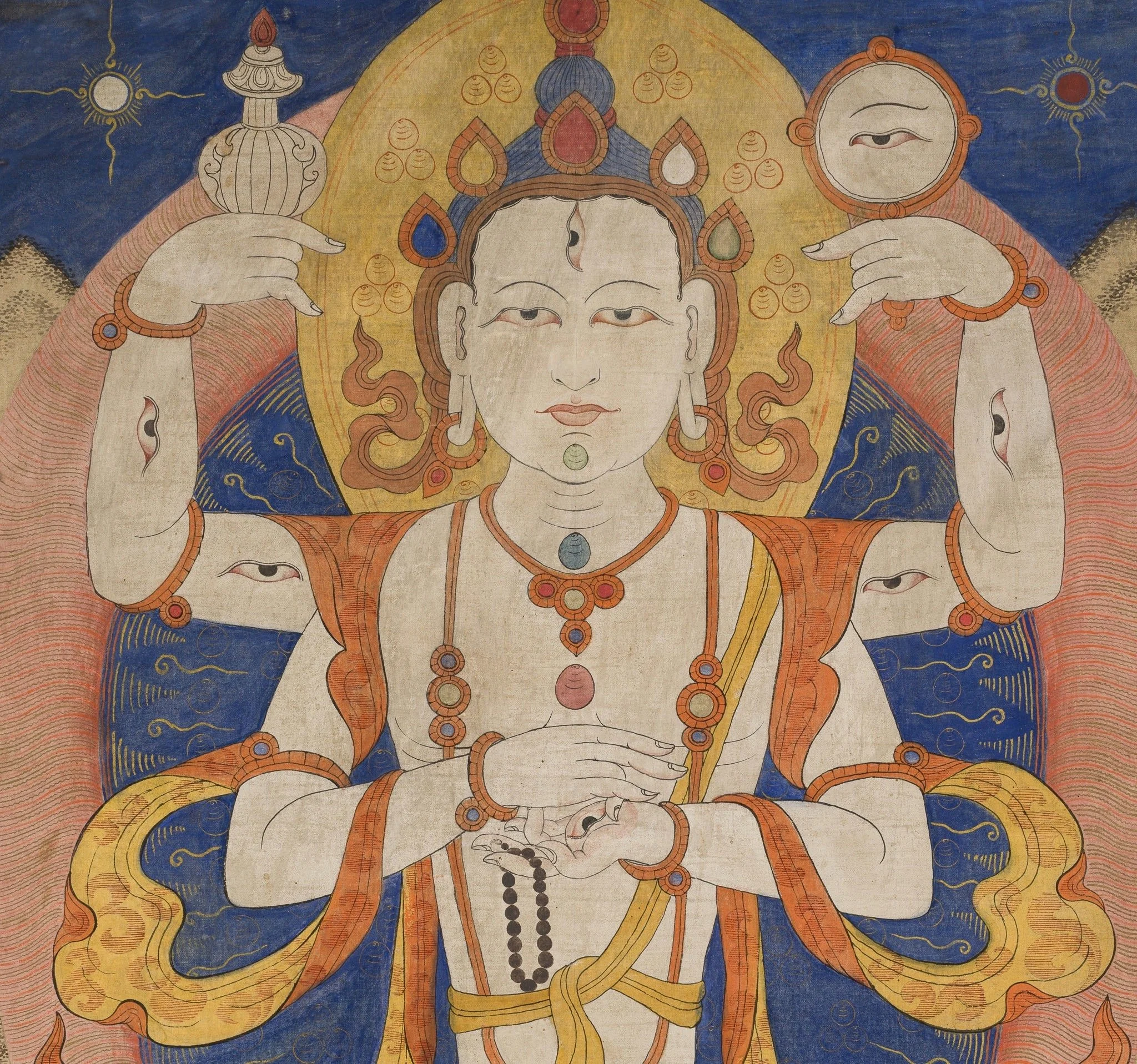 Image 5 of 5
Four Week Class Taught Online Via Zoom
Thursdays, July 23 - August 13, 2026
7:00 - 8:30pm ET (NYC Time)
$145 Paid Patreon Members / $160 General Admission
PLEASE NOTE: Classes will be recorded and archived for students who cannot make that time
In both the East and the West, mirrors and other reflective artifacts have been used for millennia to attain gnosis — a direct, experiential knowledge of the primordial mind.
This course will explore the history and practical application of mirror-gazing and related gnostic techniques utilising crystals and water. We’re going to focus on a tradition of ‘electrum’ scrying artefacts that reaches from the ancient Egyptian alchemist Zosimos of Panopolis to the Rosicrucians of the German late Renaissance.
Across the history of this enduring practice, a recurring motif emerges: cleansing the mirror of the mind. In the Western gnostic lineages, the impurities clouding the mirror are accretions of the soul gained on its descent into materiality; in the East, they are the afflictions and latent mental tendencies accrued in the cycle of samsara. Drawing on his own integration of mirror-gazing with C. G. Jung’s technique of active imagination, Dr. Tilton will explore the relationship of these impurities to the shadow and its distortion of our self- and world-models.
In our first class, we’ll explore the distinction between low magical and high magical scrying via the mirror scene in Goethe’s Faust and its legendary sources; we’ll also examine the relevance of Jung’s concepts — anima, shadow, persona, and self — alongside the psychoanalytic theories of Herbert Silberer, who believed scrying was “a key to the depths of the soul.” Class 2 examines the electrum mirror of Zosimos, which served as a portal to the divine mind in the mysterious Temple of the Seven Gates; we’ll trace the Sethian Gnostic, Mithraic, Hermetic, and Neoplatonic origins of its symbolism as a supercelestial sun. Class 3 offers an in-depth examination of two surviving white magical mirrors from the British Library; created by the Christian Cabalist Heinrich Khunrath, these mirrors reveal fascinating connections to the scrying of John Dee and the electrum artefacts of the powerful Order of the Gold and Rosy Cross. In Class 4 we’ll turn to the East to explore the mirror symbolism of the Upanishads and Advaita Vedanta, the Tantric practice of mirror-washing to attain “mirror-like gnosis,” and the Yogacara depiction of the mirror as the gate of liberation to sunyata (emptiness); our course will close with a comparative analysis of Eastern and Western mirror-gazing practices and the primordial unity they reveal.
Hereward Tilton (BA Hons I, PhD, FHEA) is a religious studies scholar who has taught and researched extensively on the history of Western esotericism and the psychology of religion. His areas of interest include the history of Rosicrucianism, the gnostic heritage of Carl Gustav Jung, and the use of psychedelics in Western magic, and he has taught at institutes dedicated to the study of Western esotericism at the University of Amsterdam and the University of Exeter. His publications include The Quest for the Phoenix (a historical study of early Rosicrucianism); Touch Me Not: A Most Rare Compendium of the Whole Magical Art (a translation of an early modern Austrian black magical manuscript dealing with psychoactive fumigations); and The Path of the Serpent, Vol. 1: Psychedelics and the Neuropsychology of Gnosis (an exploration of gnostic serpent symbolism in light of recent discoveries in psychedelic neuroscience).
Images:
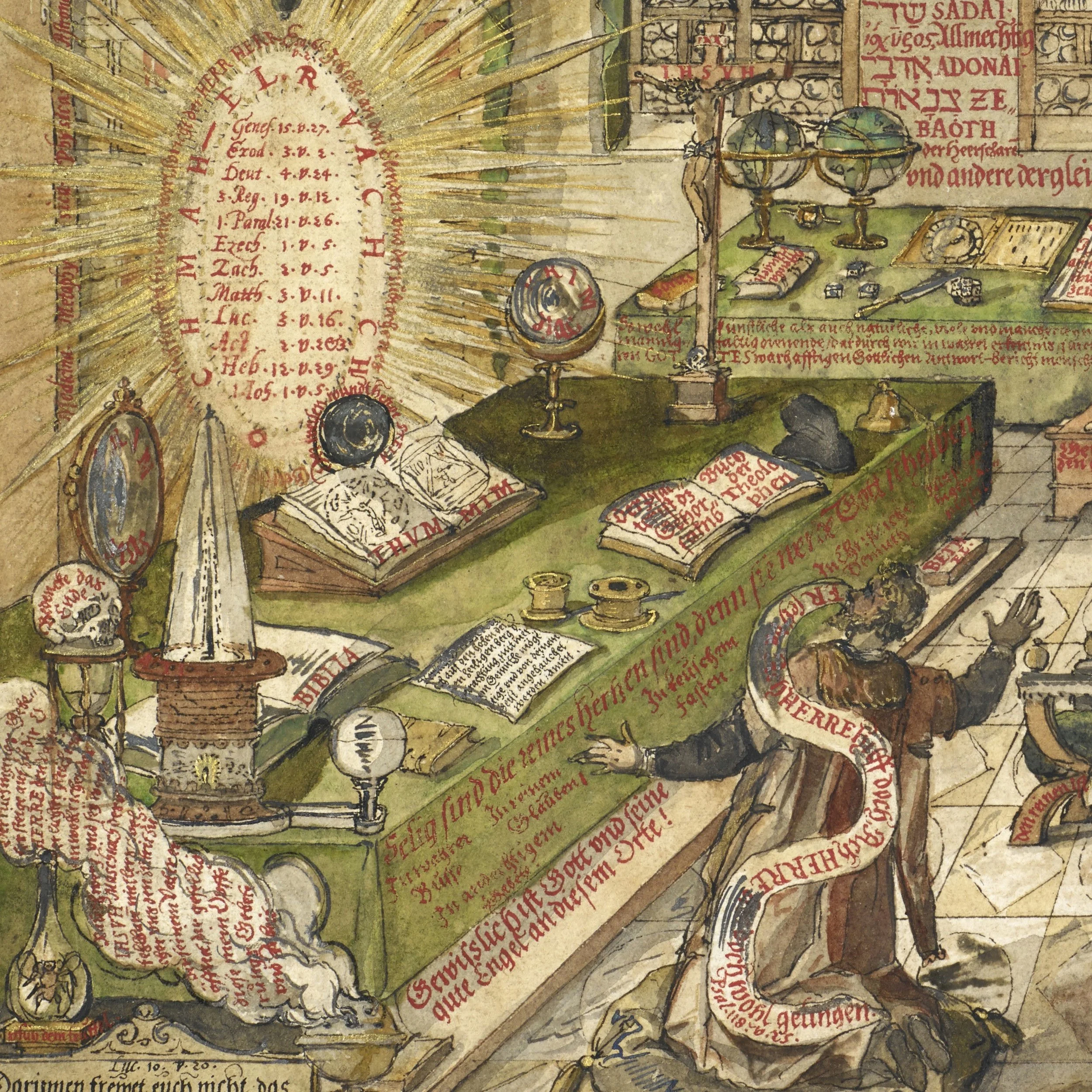
Manuscript Tabulae theosophiae Cabbalisticae, ca. 17th Century; Detail from an alchemical engraving representing the "Philosopher's Stone" from Heinrich Khunrath's Amphitheatrum Sapientiae Aeternae (Amphitheater of Eternal Wisdom), published in ca. 1595; Rembrandt van Rijn, ca 1652; Photo from The Met, Echo and Narcissus Roman 2nd cent CE; Avalokiteśvara, ca. 18th Century, Mongolia.
Four Week Class Taught Online Via Zoom
Thursdays, July 23 - August 13, 2026
7:00 - 8:30pm ET (NYC Time)
$145 Paid Patreon Members / $160 General Admission
PLEASE NOTE: Classes will be recorded and archived for students who cannot make that time
In both the East and the West, mirrors and other reflective artifacts have been used for millennia to attain gnosis — a direct, experiential knowledge of the primordial mind.
This course will explore the history and practical application of mirror-gazing and related gnostic techniques utilising crystals and water. We’re going to focus on a tradition of ‘electrum’ scrying artefacts that reaches from the ancient Egyptian alchemist Zosimos of Panopolis to the Rosicrucians of the German late Renaissance.
Across the history of this enduring practice, a recurring motif emerges: cleansing the mirror of the mind. In the Western gnostic lineages, the impurities clouding the mirror are accretions of the soul gained on its descent into materiality; in the East, they are the afflictions and latent mental tendencies accrued in the cycle of samsara. Drawing on his own integration of mirror-gazing with C. G. Jung’s technique of active imagination, Dr. Tilton will explore the relationship of these impurities to the shadow and its distortion of our self- and world-models.
In our first class, we’ll explore the distinction between low magical and high magical scrying via the mirror scene in Goethe’s Faust and its legendary sources; we’ll also examine the relevance of Jung’s concepts — anima, shadow, persona, and self — alongside the psychoanalytic theories of Herbert Silberer, who believed scrying was “a key to the depths of the soul.” Class 2 examines the electrum mirror of Zosimos, which served as a portal to the divine mind in the mysterious Temple of the Seven Gates; we’ll trace the Sethian Gnostic, Mithraic, Hermetic, and Neoplatonic origins of its symbolism as a supercelestial sun. Class 3 offers an in-depth examination of two surviving white magical mirrors from the British Library; created by the Christian Cabalist Heinrich Khunrath, these mirrors reveal fascinating connections to the scrying of John Dee and the electrum artefacts of the powerful Order of the Gold and Rosy Cross. In Class 4 we’ll turn to the East to explore the mirror symbolism of the Upanishads and Advaita Vedanta, the Tantric practice of mirror-washing to attain “mirror-like gnosis,” and the Yogacara depiction of the mirror as the gate of liberation to sunyata (emptiness); our course will close with a comparative analysis of Eastern and Western mirror-gazing practices and the primordial unity they reveal.
Hereward Tilton (BA Hons I, PhD, FHEA) is a religious studies scholar who has taught and researched extensively on the history of Western esotericism and the psychology of religion. His areas of interest include the history of Rosicrucianism, the gnostic heritage of Carl Gustav Jung, and the use of psychedelics in Western magic, and he has taught at institutes dedicated to the study of Western esotericism at the University of Amsterdam and the University of Exeter. His publications include The Quest for the Phoenix (a historical study of early Rosicrucianism); Touch Me Not: A Most Rare Compendium of the Whole Magical Art (a translation of an early modern Austrian black magical manuscript dealing with psychoactive fumigations); and The Path of the Serpent, Vol. 1: Psychedelics and the Neuropsychology of Gnosis (an exploration of gnostic serpent symbolism in light of recent discoveries in psychedelic neuroscience).
Images:
Manuscript Tabulae theosophiae Cabbalisticae, ca. 17th Century; Detail from an alchemical engraving representing the "Philosopher's Stone" from Heinrich Khunrath's Amphitheatrum Sapientiae Aeternae (Amphitheater of Eternal Wisdom), published in ca. 1595; Rembrandt van Rijn, ca 1652; Photo from The Met, Echo and Narcissus Roman 2nd cent CE; Avalokiteśvara, ca. 18th Century, Mongolia.