
 Image 1 of 3
 Image 2 of 3
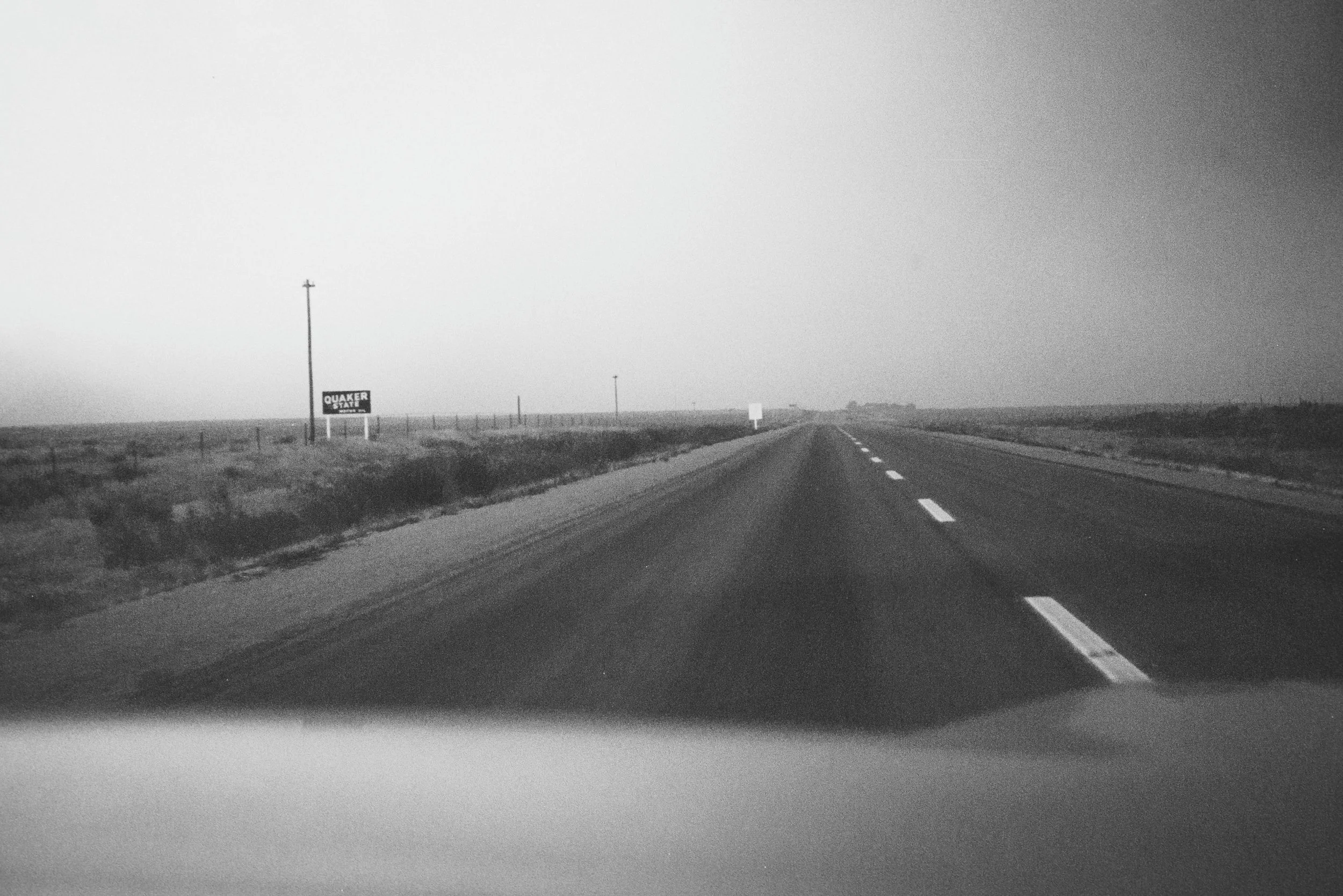 Image 3 of 3
Four Week Class Taught Online Via Zoom
Sundays, August 2 - August 23, 2026
1:00pm - 2:30 Eastern (NYC Time)
$130 Paid Patreon Members / $150 General Admission
PLEASE NOTE: Classes will be recorded and archived for students who cannot make that time
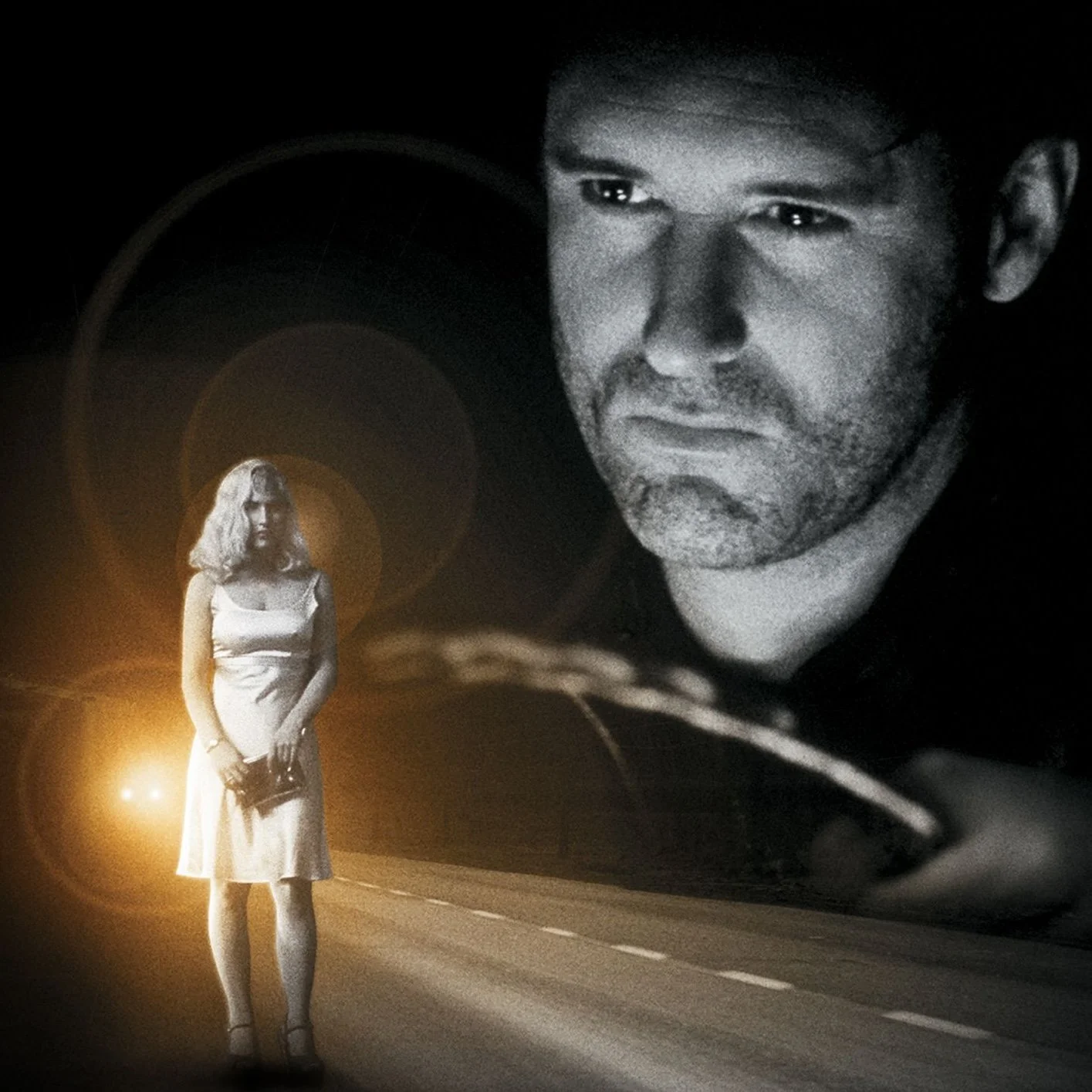
To make sense of a film, we must immerse ourselves in it—obsess over it. This intensive course takes us deep inside the making and meanings of David Lynch’s most complex work,Lost Highway. Lynchian aesthetics are unmistakable, but they are also carefully constructed. No background in film theory is required—only curiosity.
Together, we move through the film’s surface into its hidden structures: its psychogenesis and psychodynamics. The aim is to sharpen our capacity to engage a uniquely nonlinear cinematic consciousness shaped by dualist forms and fractured identities.
We begin by mapping the film’s central complexities: bifurcated character arcs, disruptions in narrative continuity, and its hallucinatory, postmodern (and imaginary) settings. From there, we survey key scholarly interpretations and turn to cinematic form: situating the film within Lynch’s engagement with surrealism; attending to its soundtrack and industrial soundscapes; examining its neo-noir cinematography; and considering its nonlinear temporality alongside its uncanny objects and disjunctive edits.
We then explore what might be called “the logic of the two” as a filmic psychology. Here we examine the generative dualism at the heart of the film’s dissociative fugue, trace uncanny doubles and substitutions, and follow the internal emergence of madness as it mirrors—and is pressured by—the supernatural.
In our final session, we focus closely on the film’s enigmatic ending. Together, we analyze this hallucinatory climax in detail, developing new interpretations centered on the desert dwelling that burns in reverse.
Images:
Thomas Mical, Ph.D., is Director of the Esoteric Library of the Kangra Valley in the Indian Himalayas, as well as a nomadic professor and professional daydreamer. For more than three decades, he has taught and researched curious topics across architectural theory, art history, continental philosophy, film theory, hauntology, and radical theology internationally. His work investigates surrealism, architectural theory, and film through a wide range of critical lenses. He is the editor of Surrealism and Architecture (2005) and is currently developing a book project on this course topic, “The Neuro-Gothic Meta-Camera.”
Four Week Class Taught Online Via Zoom
Sundays, August 2 - August 23, 2026
1:00pm - 2:30 Eastern (NYC Time)
$130 Paid Patreon Members / $150 General Admission
PLEASE NOTE: Classes will be recorded and archived for students who cannot make that time
To make sense of a film, we must immerse ourselves in it—obsess over it. This intensive course takes us deep inside the making and meanings of David Lynch’s most complex work,Lost Highway. Lynchian aesthetics are unmistakable, but they are also carefully constructed. No background in film theory is required—only curiosity.
Together, we move through the film’s surface into its hidden structures: its psychogenesis and psychodynamics. The aim is to sharpen our capacity to engage a uniquely nonlinear cinematic consciousness shaped by dualist forms and fractured identities.
We begin by mapping the film’s central complexities: bifurcated character arcs, disruptions in narrative continuity, and its hallucinatory, postmodern (and imaginary) settings. From there, we survey key scholarly interpretations and turn to cinematic form: situating the film within Lynch’s engagement with surrealism; attending to its soundtrack and industrial soundscapes; examining its neo-noir cinematography; and considering its nonlinear temporality alongside its uncanny objects and disjunctive edits.
We then explore what might be called “the logic of the two” as a filmic psychology. Here we examine the generative dualism at the heart of the film’s dissociative fugue, trace uncanny doubles and substitutions, and follow the internal emergence of madness as it mirrors—and is pressured by—the supernatural.
In our final session, we focus closely on the film’s enigmatic ending. Together, we analyze this hallucinatory climax in detail, developing new interpretations centered on the desert dwelling that burns in reverse.
Images:
Thomas Mical, Ph.D., is Director of the Esoteric Library of the Kangra Valley in the Indian Himalayas, as well as a nomadic professor and professional daydreamer. For more than three decades, he has taught and researched curious topics across architectural theory, art history, continental philosophy, film theory, hauntology, and radical theology internationally. His work investigates surrealism, architectural theory, and film through a wide range of critical lenses. He is the editor of Surrealism and Architecture (2005) and is currently developing a book project on this course topic, “The Neuro-Gothic Meta-Camera.”