
 Image 1 of 2
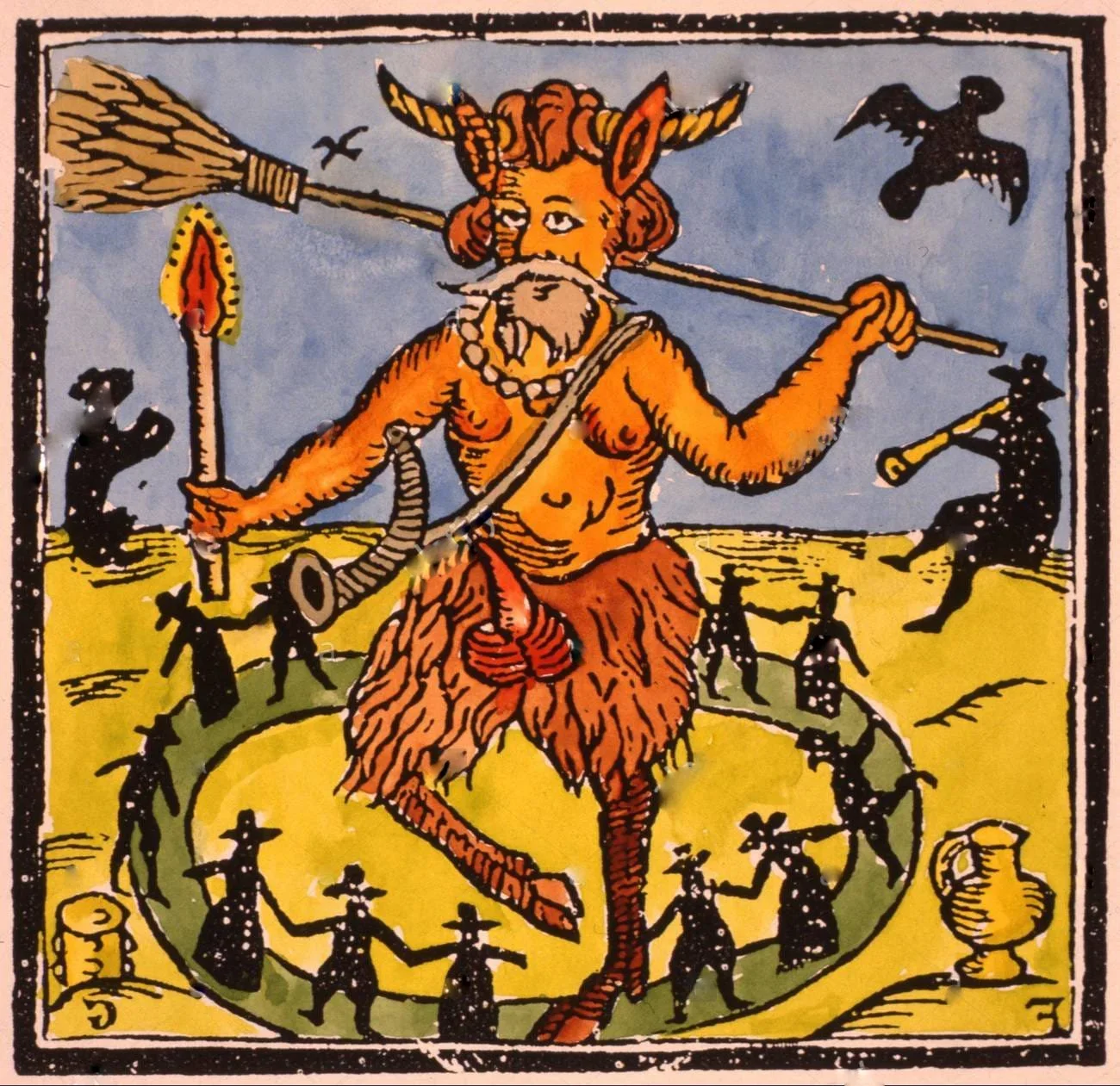 Image 2 of 2
Four Week Class Taught Online Via Zoom
Thursdays, October 22 - November 12, 2026
7:00 - 9:00pm ET (NYC Time)
$125 Paid Patreon Members/ $150 General Admission
PLEASE NOTE: Classes will be recorded and archived for students who cannot make that time
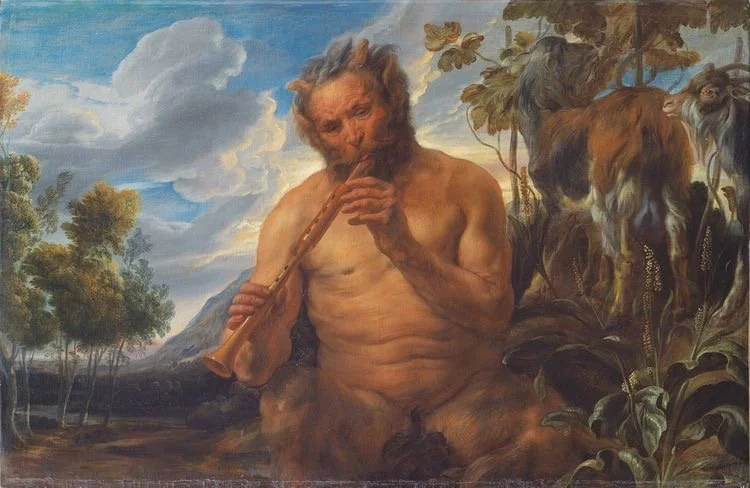
Pioneering psychoanalyst C.G. Jung understood “evil” beings, such as devils and demons, as symbolic representations of the repression of what he called the “Shadow”: the perfectly natural but disowned “dark” side of life. For Jung, the Shadow was not inherently evil. Rather, it encompassed the instinctive, animal, emotional, embodied, and often unruly dimensions of the psyche, qualities related to what Freud called the “Id.” In this light, the Christian devil may be understood as a historically distorted form of Pan, the ancient horned god of wilderness, sexuality, music, play, vitality, and animal life.
Many Western thinkers, from the Church Fathers to Sigmund Freud, have asserted that the proper response to the shadow is to conquer, shun, overcome, or ruthlessly repress it in the name of spiritual purity or civilized life. Jung, on the other hand, argued that what is repressed does not disappear: it returns in exaggerated, distorted, and sometimes destructive forms.
In this class—led by religious studies professor Dr. Sharon L. Coggan, author of Sacred Disobedience: A Jungian Analysis of the Saga of Pan and the Devil—we will, through illustrated lectures, suggested readings, and lively class discussions, explore the issue of “evil” from a different perspective than the typical approaches and clarify our own conceptions and understandings of good and evil, light and dark, and what it means to be human.
Sharon L. Coggan, Ph.D. earned the B.A. from the University of Denver, the M.T.S. (Master of Theological Studies) from Harvard Divinity School, the M.A. from Stanford University, and the Ph.D. from Syracuse University. She was an Associate Professor C/T and the Director of the Religious Studies Program at University of Colorado Denver, a program she created, before retiring in August 2020. She offers a range of classes on religion and on Jungian Thought: World Religions, Concepts of the Soul, Concepts of God, Death and Afterlife, Mysticism, Eastern Thought, Myth and Symbol, Classical Mythology, Perspectives on Good and Evil, Perspectives on Dream Analysis, and the Hero’s Journey. She still offers these classes in smaller venues now that she is happily retired. She remains an active Board member on the Board of Directors of the C. G. Jung Society of Colorado, in Denver. She is the author of the book, Sacred Disobedience: A Jungian Analysis of the Saga of Pan and the Devil, from Lexington Press, which came out in 2020.
Images: Satyr Playing the Pipe (Jupiter's Childhood) created around 1639 by the Flemish artist Jacob Jordaens; 17th century print of a pan-like devil.
Four Week Class Taught Online Via Zoom
Thursdays, October 22 - November 12, 2026
7:00 - 9:00pm ET (NYC Time)
$125 Paid Patreon Members/ $150 General Admission
PLEASE NOTE: Classes will be recorded and archived for students who cannot make that time
Pioneering psychoanalyst C.G. Jung understood “evil” beings, such as devils and demons, as symbolic representations of the repression of what he called the “Shadow”: the perfectly natural but disowned “dark” side of life. For Jung, the Shadow was not inherently evil. Rather, it encompassed the instinctive, animal, emotional, embodied, and often unruly dimensions of the psyche, qualities related to what Freud called the “Id.” In this light, the Christian devil may be understood as a historically distorted form of Pan, the ancient horned god of wilderness, sexuality, music, play, vitality, and animal life.
Many Western thinkers, from the Church Fathers to Sigmund Freud, have asserted that the proper response to the shadow is to conquer, shun, overcome, or ruthlessly repress it in the name of spiritual purity or civilized life. Jung, on the other hand, argued that what is repressed does not disappear: it returns in exaggerated, distorted, and sometimes destructive forms.
In this class—led by religious studies professor Dr. Sharon L. Coggan, author of Sacred Disobedience: A Jungian Analysis of the Saga of Pan and the Devil—we will, through illustrated lectures, suggested readings, and lively class discussions, explore the issue of “evil” from a different perspective than the typical approaches and clarify our own conceptions and understandings of good and evil, light and dark, and what it means to be human.
Sharon L. Coggan, Ph.D. earned the B.A. from the University of Denver, the M.T.S. (Master of Theological Studies) from Harvard Divinity School, the M.A. from Stanford University, and the Ph.D. from Syracuse University. She was an Associate Professor C/T and the Director of the Religious Studies Program at University of Colorado Denver, a program she created, before retiring in August 2020. She offers a range of classes on religion and on Jungian Thought: World Religions, Concepts of the Soul, Concepts of God, Death and Afterlife, Mysticism, Eastern Thought, Myth and Symbol, Classical Mythology, Perspectives on Good and Evil, Perspectives on Dream Analysis, and the Hero’s Journey. She still offers these classes in smaller venues now that she is happily retired. She remains an active Board member on the Board of Directors of the C. G. Jung Society of Colorado, in Denver. She is the author of the book, Sacred Disobedience: A Jungian Analysis of the Saga of Pan and the Devil, from Lexington Press, which came out in 2020.
Images: Satyr Playing the Pipe (Jupiter's Childhood) created around 1639 by the Flemish artist Jacob Jordaens; 17th century print of a pan-like devil.