
 Image 1 of 6
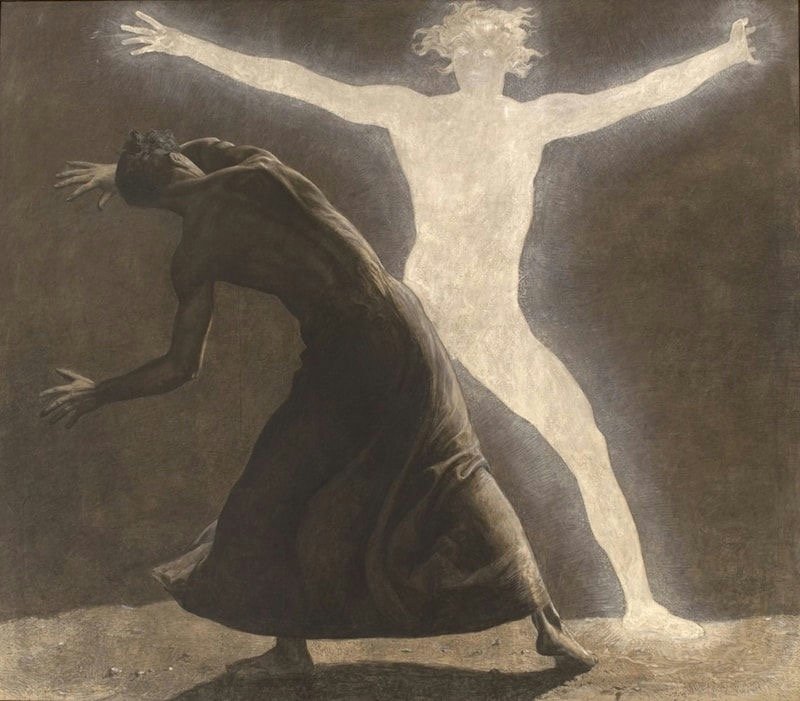 Image 2 of 6
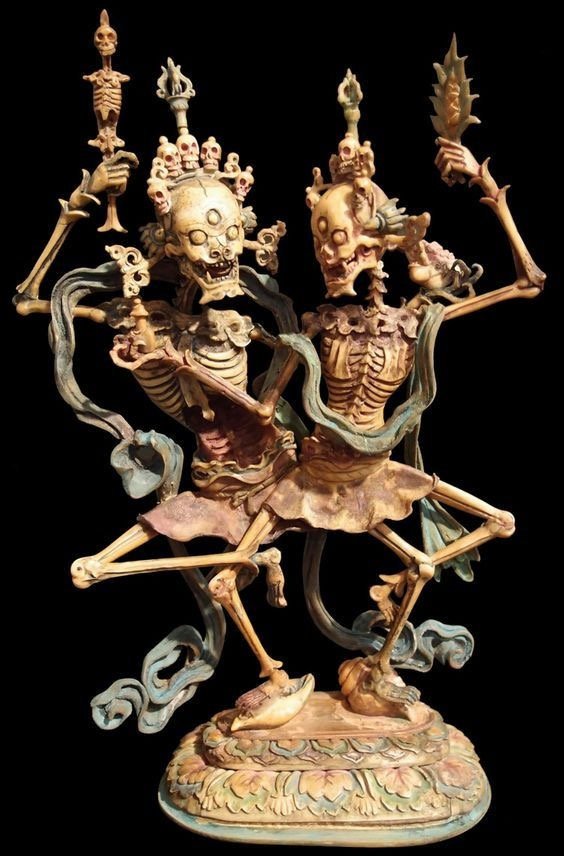 Image 3 of 6
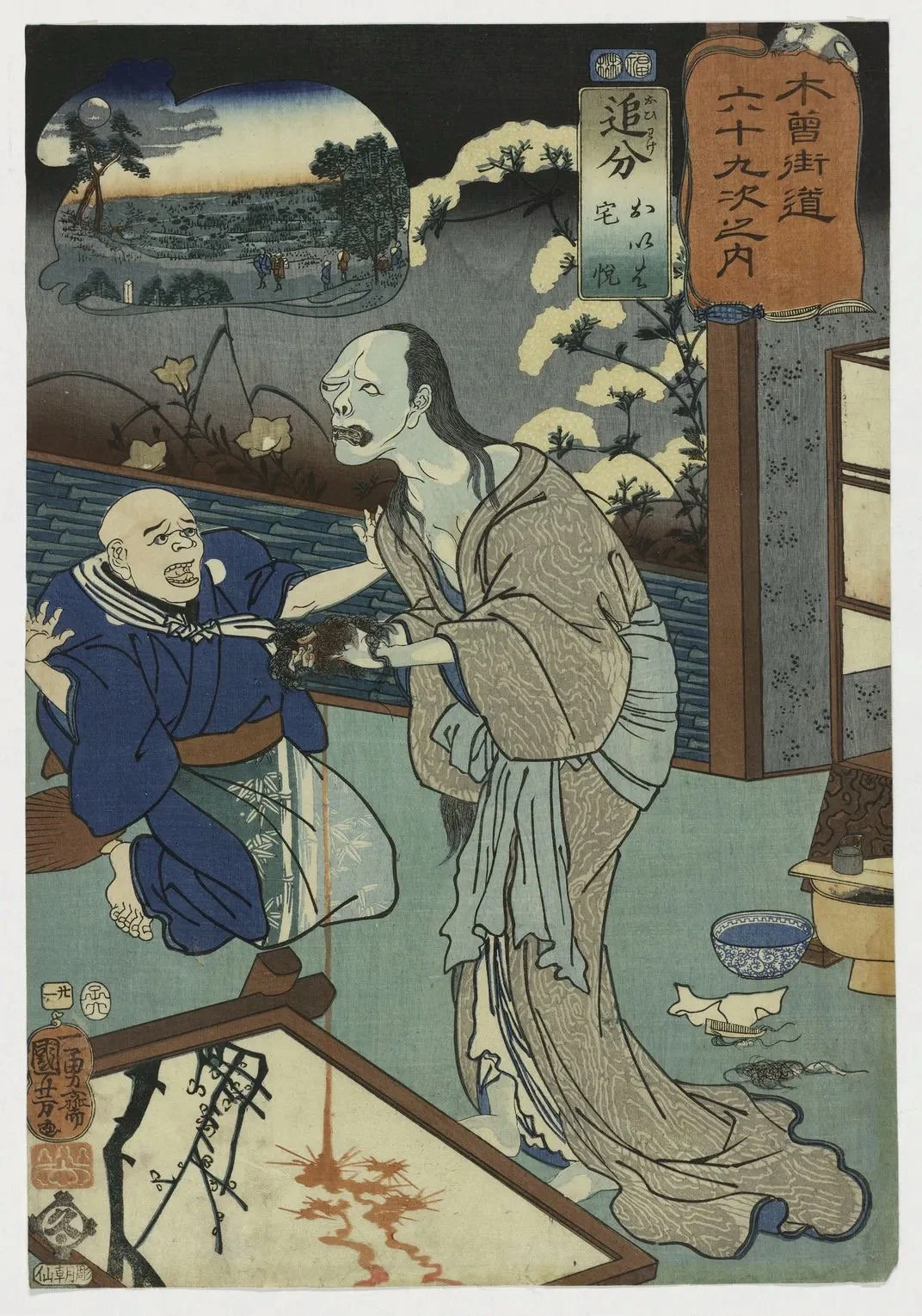 Image 4 of 6
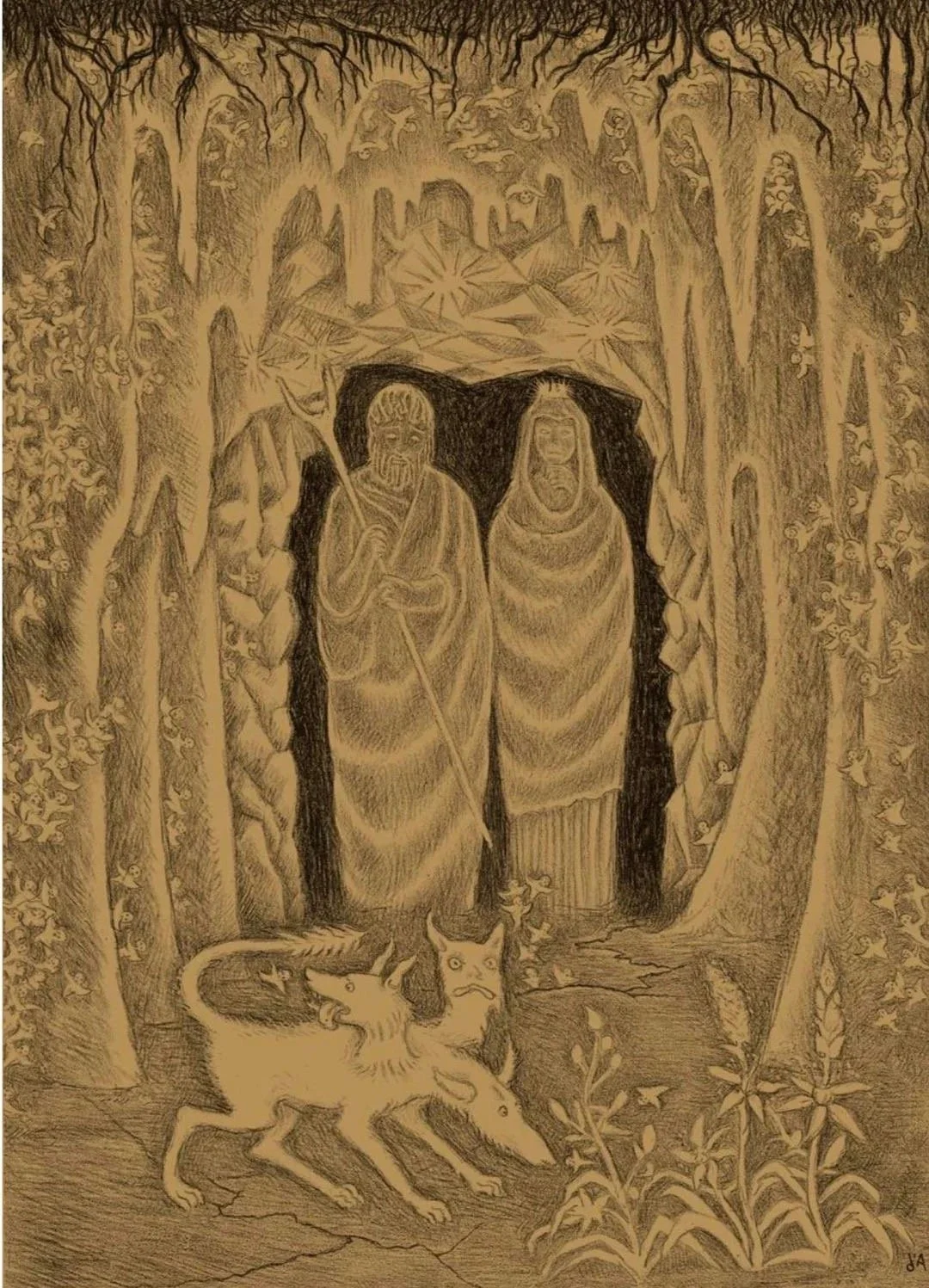 Image 5 of 6
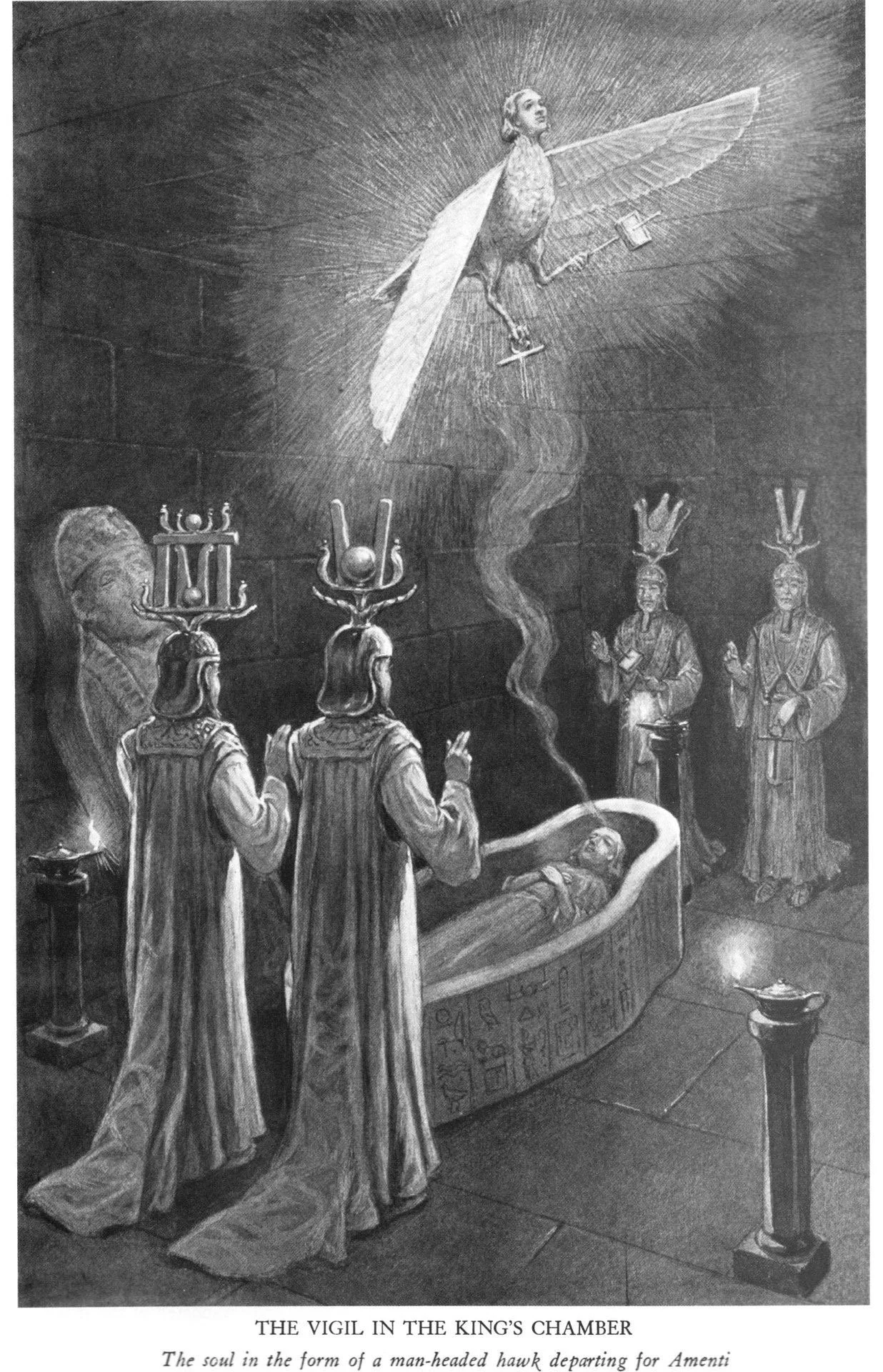 Image 6 of 6
A Cultural History of Ghosts: Selections from World Traditions, Part I with Cultural Historian Jason Lahman, Begins January 10
Six Week Class Taught Online Via Zoom
Sundays, January 10 - February 14th, 2027
2:00 - 4:00pm ET (NYC Time)
$160 Paid Patreon Members / $185 General Admission
PLEASE NOTE: Classes will be recorded and archived for students who cannot make that time
* This is the first part of a two part class; more on part two here [ADD LINK BEFORE GOING LIVE].
What is a ghost? A wandering soul, an ancestor, a revenant, a memory given form, or something altogether stranger? Human beings have told stories of the returning dead for as long as we have records, yet what we call a “ghost” changes dramatically across cultures. Some ghosts hunger. Some seek vengeance. Some protect their descendants, appear in dreams, inhabit bodies, or return because the living have failed to perform the rites necessary to send them on their way.
In this six-week course (the first of two)[ADD LINK BEFORE GOING LIVE]., we will travel through some of humanity’s oldest and richest traditions of the restless dead. Beginning with the question of what a ghost actually is—and how we might study such elusive beings—we will move through the ancient Semitic, Arab, and West Asian worlds; the spectacular ghost culture of Edo Japan; Hindu and Buddhist traditions of preta, bhūta, vetāla, hungry ghosts, karma, and rebirth; the complex souls and powerful dead of Ancient Egypt; and finally the shades, revenants, and ancestral spirits of Classical Greece and Imperial Rome.
Along the way, we will draw upon mythology, folklore, religious texts, archaeology, ritual practices, literature, theater, and visual culture. Rather than treating ghosts simply as frightening supernatural beings, we will ask what they reveal about the cultures that encounter them: how people imagine the soul and afterlife, care for their dead, understand improper death, preserve memory, and negotiate the uncertain boundary between this world and whatever may lie beyond it.
Week 1 — What Are Ghosts?: Introduction to the Diversity of the Subject & Possible Methods of Study
What exactly do we mean when we call something a ghost? We will begin with the extraordinary diversity of the returning dead: shades and revenants, ancestors and apparitions, hungry ghosts and wandering souls, doubles, dream visitors, and the unquiet dead. We will consider why ghosts return, who sees them, what they might want, and how different cultures distinguish the dead from demons, gods, spirits, and other supernatural beings. Along the way, we introduce some of the historical, folkloric, anthropological, psychological—and perhaps metaphysical—ways humans have attempted to understand encounters with the dead.
Week 2 — Ghosts of the Semitic, Arab & West Asian Realms
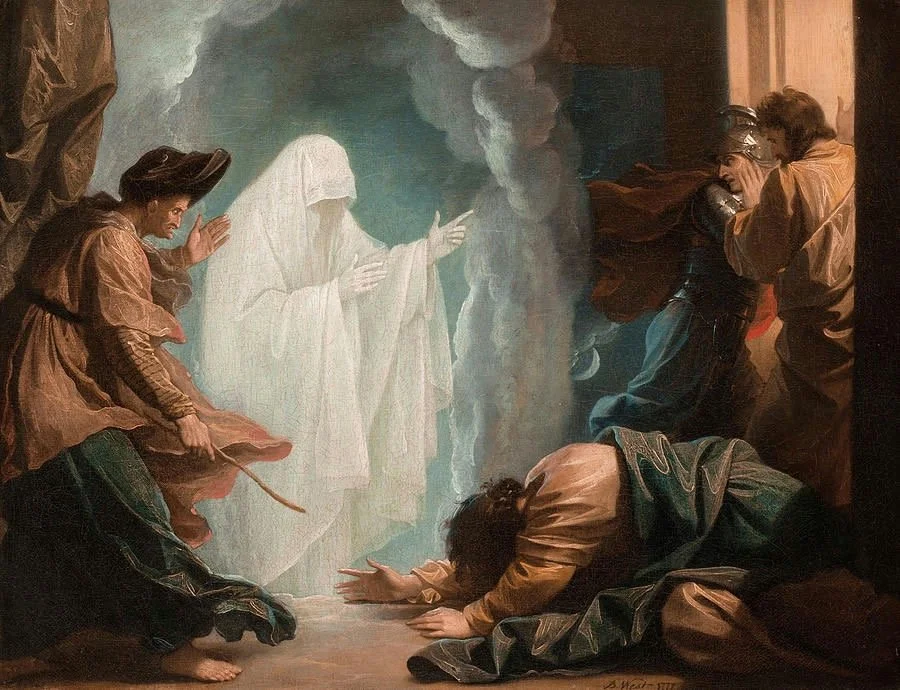
We travel to some of the oldest recorded traditions of haunting, beginning with the ghosts and underworlds of ancient Mesopotamia. From there we explore Hebrew traditions of necromancy and the Witch of Endor, later Jewish tales of possession and the dybbuk, pre-Islamic Arabian spirits, Islamic traditions surrounding jinn and the dead, and Persian and Zoroastrian spirit worlds. Burial, dreams, tombs, possession, exorcism, and forbidden communication with the dead reveal centuries of negotiation between official religion and persistent supernatural experience.
Week 3 — Ghosts of Edo Japan
Edo Japan produced one of history’s richest and most recognizable cultures of ghosts. We encounter the white-robed yūrei, terrifying onryō, Buddhist hungry ghosts, returning ancestors, haunted places, and the extraordinary world of kaidan ghost stories. Through Noh and Kabuki theater, ukiyo-e prints, Buddhist and Shinto ritual, and famous tales of betrayal and vengeance, we explore how the Japanese ghost acquired its distinctive visual form, and how Edo-period ghosts continue to haunt global horror today.
Week 4 — Ghosts of the Hindu & Buddhist Traditions
Across Hindu and Buddhist traditions, the dead may become trapped between worlds through improper death, failed ritual, attachment, or karmic consequence. We will explore Hindu preta, bhūta, and vetāla alongside Buddhist hungry ghosts, hell beings, ancestor rites, possession, and stories of encounters with the dead. Following these traditions from India into Tibet, China, Southeast Asia, and beyond, we discover how ghosts became part of a vast moral and supernatural cosmos, and how ritual could feed, appease, liberate, or protect the living from the restless dead.
Week 5 — Ghosts of Ancient Egypt
Few civilizations devoted more attention to maintaining relationships between living and dead than Ancient Egypt. We examine the many dimensions of the Egyptian person—including ka, ba, and akh—alongside mummification, tombs, offerings, funerary texts, protective magic, and the judgment of the dead. Yet Egypt also had troublesome ghosts: surviving letters petition, accuse, bargain with, and even threaten deceased relatives. Behind the magnificent promise of immortality lies a more intimate world in which the dead remained active members of society.
Week 6 — Ghosts of Classical Greece & Imperial Rome
Our first journey will conclude with the teeming dead of Greece and Rome: Homeric shades, heroic ghosts, restless murder victims, necromancy, haunted houses, ancestral spirits, and supernatural omens surrounding rulers and empires. We explore journeys into Hades, Greek tragedy, Roman manes and lemures, festivals such as the Parentalia and Lemuria, and remarkable ancient accounts of apparitions. These traditions provide a crucial bridge between the ancient Mediterranean dead and the ghosts that later haunt Christian and European culture.
Jason Lahman is a practicing artist and a cultural historian specializing in science, technology, material culture and the occult. He has taught many courses for Morbid Anatomy on a variety of topics including the histories of fairies, robots, witches, the archetypes of the femme fatale, the Gothic, the life of St. Joan of Arc and the city of Paris.
Images: Saul and the Witch of Endor, ca. 1777, Benjamin West; 19th-century carved bone sculpture of the dancing Chitipati-Lords of the Corpse Forest-from Mongolia or Tibet; Oiwake- Oiwa and Takuetsu, no. 21, from the series Sixty-Nine Stations of the Kisokaido Road, Utagawa Kuniyoshi, woodblock print, 1852; Ingri and Edgar Parin D'Aulaire, Hades and Persephone, from Greek Myths, 1962; John Augustus Knapp, The Vigil in the Kings Chamber, illustration from The Phoenix by Manly P. Hall, 1931; The Astral Man, Sascha Schneider, 1903.
Six Week Class Taught Online Via Zoom
Sundays, January 10 - February 14th, 2027
2:00 - 4:00pm ET (NYC Time)
$160 Paid Patreon Members / $185 General Admission
PLEASE NOTE: Classes will be recorded and archived for students who cannot make that time
* This is the first part of a two part class; more on part two here [ADD LINK BEFORE GOING LIVE].
What is a ghost? A wandering soul, an ancestor, a revenant, a memory given form, or something altogether stranger? Human beings have told stories of the returning dead for as long as we have records, yet what we call a “ghost” changes dramatically across cultures. Some ghosts hunger. Some seek vengeance. Some protect their descendants, appear in dreams, inhabit bodies, or return because the living have failed to perform the rites necessary to send them on their way.
In this six-week course (the first of two)[ADD LINK BEFORE GOING LIVE]., we will travel through some of humanity’s oldest and richest traditions of the restless dead. Beginning with the question of what a ghost actually is—and how we might study such elusive beings—we will move through the ancient Semitic, Arab, and West Asian worlds; the spectacular ghost culture of Edo Japan; Hindu and Buddhist traditions of preta, bhūta, vetāla, hungry ghosts, karma, and rebirth; the complex souls and powerful dead of Ancient Egypt; and finally the shades, revenants, and ancestral spirits of Classical Greece and Imperial Rome.
Along the way, we will draw upon mythology, folklore, religious texts, archaeology, ritual practices, literature, theater, and visual culture. Rather than treating ghosts simply as frightening supernatural beings, we will ask what they reveal about the cultures that encounter them: how people imagine the soul and afterlife, care for their dead, understand improper death, preserve memory, and negotiate the uncertain boundary between this world and whatever may lie beyond it.
Week 1 — What Are Ghosts?: Introduction to the Diversity of the Subject & Possible Methods of Study
What exactly do we mean when we call something a ghost? We will begin with the extraordinary diversity of the returning dead: shades and revenants, ancestors and apparitions, hungry ghosts and wandering souls, doubles, dream visitors, and the unquiet dead. We will consider why ghosts return, who sees them, what they might want, and how different cultures distinguish the dead from demons, gods, spirits, and other supernatural beings. Along the way, we introduce some of the historical, folkloric, anthropological, psychological—and perhaps metaphysical—ways humans have attempted to understand encounters with the dead.
Week 2 — Ghosts of the Semitic, Arab & West Asian Realms
We travel to some of the oldest recorded traditions of haunting, beginning with the ghosts and underworlds of ancient Mesopotamia. From there we explore Hebrew traditions of necromancy and the Witch of Endor, later Jewish tales of possession and the dybbuk, pre-Islamic Arabian spirits, Islamic traditions surrounding jinn and the dead, and Persian and Zoroastrian spirit worlds. Burial, dreams, tombs, possession, exorcism, and forbidden communication with the dead reveal centuries of negotiation between official religion and persistent supernatural experience.
Week 3 — Ghosts of Edo Japan
Edo Japan produced one of history’s richest and most recognizable cultures of ghosts. We encounter the white-robed yūrei, terrifying onryō, Buddhist hungry ghosts, returning ancestors, haunted places, and the extraordinary world of kaidan ghost stories. Through Noh and Kabuki theater, ukiyo-e prints, Buddhist and Shinto ritual, and famous tales of betrayal and vengeance, we explore how the Japanese ghost acquired its distinctive visual form, and how Edo-period ghosts continue to haunt global horror today.
Week 4 — Ghosts of the Hindu & Buddhist Traditions
Across Hindu and Buddhist traditions, the dead may become trapped between worlds through improper death, failed ritual, attachment, or karmic consequence. We will explore Hindu preta, bhūta, and vetāla alongside Buddhist hungry ghosts, hell beings, ancestor rites, possession, and stories of encounters with the dead. Following these traditions from India into Tibet, China, Southeast Asia, and beyond, we discover how ghosts became part of a vast moral and supernatural cosmos, and how ritual could feed, appease, liberate, or protect the living from the restless dead.
Week 5 — Ghosts of Ancient Egypt
Few civilizations devoted more attention to maintaining relationships between living and dead than Ancient Egypt. We examine the many dimensions of the Egyptian person—including ka, ba, and akh—alongside mummification, tombs, offerings, funerary texts, protective magic, and the judgment of the dead. Yet Egypt also had troublesome ghosts: surviving letters petition, accuse, bargain with, and even threaten deceased relatives. Behind the magnificent promise of immortality lies a more intimate world in which the dead remained active members of society.
Week 6 — Ghosts of Classical Greece & Imperial Rome
Our first journey will conclude with the teeming dead of Greece and Rome: Homeric shades, heroic ghosts, restless murder victims, necromancy, haunted houses, ancestral spirits, and supernatural omens surrounding rulers and empires. We explore journeys into Hades, Greek tragedy, Roman manes and lemures, festivals such as the Parentalia and Lemuria, and remarkable ancient accounts of apparitions. These traditions provide a crucial bridge between the ancient Mediterranean dead and the ghosts that later haunt Christian and European culture.
Jason Lahman is a practicing artist and a cultural historian specializing in science, technology, material culture and the occult. He has taught many courses for Morbid Anatomy on a variety of topics including the histories of fairies, robots, witches, the archetypes of the femme fatale, the Gothic, the life of St. Joan of Arc and the city of Paris.
Images: Saul and the Witch of Endor, ca. 1777, Benjamin West; 19th-century carved bone sculpture of the dancing Chitipati-Lords of the Corpse Forest-from Mongolia or Tibet; Oiwake- Oiwa and Takuetsu, no. 21, from the series Sixty-Nine Stations of the Kisokaido Road, Utagawa Kuniyoshi, woodblock print, 1852; Ingri and Edgar Parin D'Aulaire, Hades and Persephone, from Greek Myths, 1962; John Augustus Knapp, The Vigil in the Kings Chamber, illustration from The Phoenix by Manly P. Hall, 1931; The Astral Man, Sascha Schneider, 1903.