
 Image 1 of 4
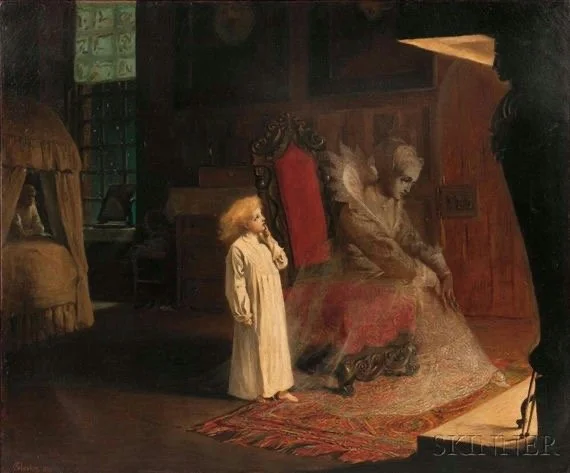 Image 2 of 4
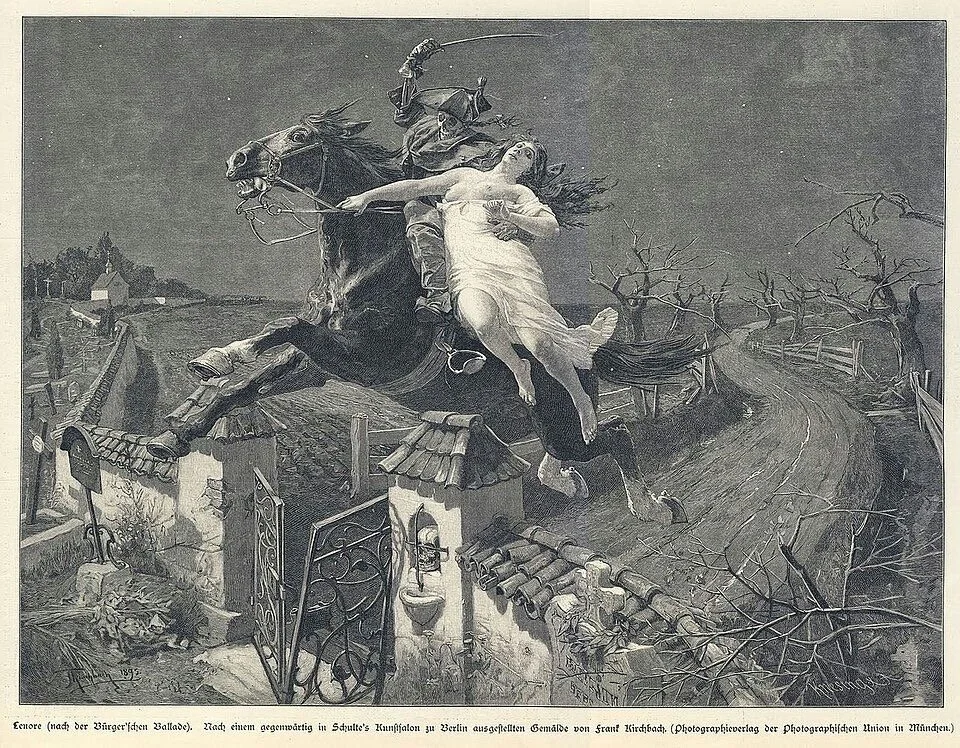 Image 3 of 4
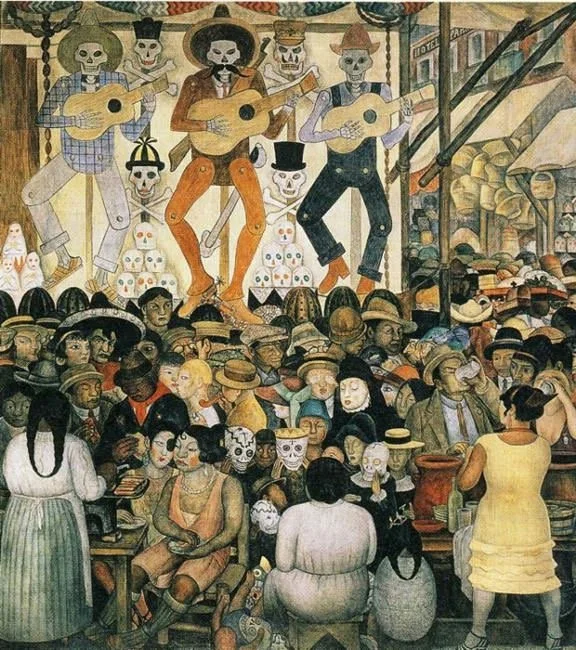 Image 4 of 4
A Cultural History of Ghosts Part II: Selections from World Traditions with Cultural Historian Jason Lahman, Begins March 7
Six Week Class Taught Online Via Zoom
Sundays, March 7 - April 11, 2026
2:00 - 4:00pm ET (NYC Time)
$165 Paid Patreon Members / $180 General Admission
PLEASE NOTE: Classes will be recorded and archived for students who cannot make that time
* This is the second part of a two part class; more on part one here [ADD LINK BEFORE GOING LIVE]. Attendance at the first class is not required for enrollment.
Ghosts travel. They cross oceans, survive conquest, change religions, inhabit new landscapes, and continually reinvent themselves alongside the living. In Part II of A Cultural History of Ghosts, we follow the returning dead through traditions shaped by ancestry and migration, colonization and cultural survival, industrial modernity, new technologies, and the enormous transformations of the modern world.
Our journey will begin with the ghosts and ancestors of Sub-Saharan Africa before following traditions of the dead through the African diaspora and into African American conjure, Hoodoo, Spiritual churches, folklore, and haunting. We will then encounter the corporeal revenants and death-messengers of Norse, Celtic, and Germanic worlds; the séances, spirit photographs, haunted houses, and Gothic ghosts of Victorian England; and the spectral landscapes of the American West and Pacific Northwest. From there, we will explore Mexico before and after conquest, where Indigenous and Catholic traditions created extraordinary new relationships with the dead, before concluding in postwar America with poltergeists, suburban hauntings, paranormal investigators, mass-media ghosts, and other strange manifestations of the spectral imagination.
Across these six weeks, ghosts will become witnesses to history. We will find them inhabiting landscapes marked by violence, preserving ancestral relationships disrupted by migration and conquest, and returning when the past has not been properly buried. Moving between oral tradition, ritual, literature, art, photography, film, and popular culture, we will discover that ghosts are never merely remnants of an older, more superstitious world. They remain among humanity’s most enduring ways of imagining memory, loss, survival, and our continuing relationship with the dead.
Week 1 — Ghosts of Sub-Saharan Africa, the African Diaspora & African American Traditions
We will begin with African traditions in which ancestors and other spirits of the dead remain active participants in the world of the living, encountered through offerings, masks, dreams, divination, possession, and ritual. We will then follow transformed traditions across the violence of the Atlantic slave trade into the Caribbean and Americas, exploring Hoodoo and conjure, plantation ghostlore, and African American traditions of haunting. Here ghosts become powerful vessels of ancestry, survival, memory, and histories that refuse to disappear.
Week 2 — Ghosts of the Norse, Celts & Germanic Worlds
The dead of Northern Europe could be remarkably physical. Norse draugr rise bodily from burial mounds, Irish and Celtic traditions tell of Otherworldly visitors and death-messengers, while Germanic folklore populates forests, roads, and ancient places with restless presences. Through sagas, archaeology, folklore, burial customs, Samhain, and seasonal traditions, we explore a haunted landscape in which the dead remain bound to land, treasure, family, honor, and unfinished obligations.
Week 3 — Ghosts of Victorian England
The supposedly rational nineteenth century produced an astonishing explosion of ghosts. Industrialization and new technologies existed alongside séances, mediums, spirit photography, haunted houses, elaborate mourning practices, and the birth of psychical research. Dickens, M. R. James, Gothic literature, theatrical illusions, and Spiritualism transformed the ghost into an emblem of modernity itself, a figure suspended between grief and entertainment, science and religion, skepticism and the hope that the dead might still speak.
Week 4 — Ghosts of the American West & Pacific Northwest
The landscapes of western North America became haunted by migration, conquest, violence, isolation, and sudden death. We will explore Indigenous relationships with ancestors and spirits while carefully distinguishing these traditions from settler ghostlore, then turn to the Ghost Dance, mining camps, ghost towns, battlefields, forests, mountains, rivers, and the haunted Pacific coast. The frontier ghost reveals how competing peoples remembered—and mythologized—the same contested landscapes.
Week 5 — Ghosts of Mexico: Before & After Conquest
We will begin in the supernatural worlds of Mesoamerica, exploring the dead, Mictlan, the Cihuateteo, funerary practices, and the dangerous return of spirits before European conquest. We then follow the transformations produced by Spanish Catholicism: purgatorial souls, apparitions, cemeteries, saints, and hybrid traditions surrounding figures such as La Llorona. Finally, Día de Muertos will allow us to explore how Indigenous, colonial, familial, and national memories of the dead continue to coexist and transform one another.
Week 6 — Ghosts of the Post-War United States
We will conclude in the strange spectral landscape of America after 1945. Haunted suburban houses, poltergeists, psychic children, possession narratives, ghost photography, paranormal investigators, television, and horror films transformed older supernatural traditions for the mass-media age. From The Haunting and Amityville to Poltergeist and contemporary ghost hunting, we ask why an increasingly technological society became so fascinated with haunting, and how ghosts came to embody family trauma, war, race, historical violence, and the unsettling persistence of the past.
Jason Lahman is an artist and cultural historian specializing in science, technology, material culture and the occult. He has taught numerous classes for Morbid Anatomy including the histories of fairies, robots, witches, the archetypes of the femme fatale, the Gothic, St. Joan of Arc and the city of Paris.
Images:
Six Week Class Taught Online Via Zoom
Sundays, March 7 - April 11, 2026
2:00 - 4:00pm ET (NYC Time)
$165 Paid Patreon Members / $180 General Admission
PLEASE NOTE: Classes will be recorded and archived for students who cannot make that time
* This is the second part of a two part class; more on part one here [ADD LINK BEFORE GOING LIVE]. Attendance at the first class is not required for enrollment.
Ghosts travel. They cross oceans, survive conquest, change religions, inhabit new landscapes, and continually reinvent themselves alongside the living. In Part II of A Cultural History of Ghosts, we follow the returning dead through traditions shaped by ancestry and migration, colonization and cultural survival, industrial modernity, new technologies, and the enormous transformations of the modern world.
Our journey will begin with the ghosts and ancestors of Sub-Saharan Africa before following traditions of the dead through the African diaspora and into African American conjure, Hoodoo, Spiritual churches, folklore, and haunting. We will then encounter the corporeal revenants and death-messengers of Norse, Celtic, and Germanic worlds; the séances, spirit photographs, haunted houses, and Gothic ghosts of Victorian England; and the spectral landscapes of the American West and Pacific Northwest. From there, we will explore Mexico before and after conquest, where Indigenous and Catholic traditions created extraordinary new relationships with the dead, before concluding in postwar America with poltergeists, suburban hauntings, paranormal investigators, mass-media ghosts, and other strange manifestations of the spectral imagination.
Across these six weeks, ghosts will become witnesses to history. We will find them inhabiting landscapes marked by violence, preserving ancestral relationships disrupted by migration and conquest, and returning when the past has not been properly buried. Moving between oral tradition, ritual, literature, art, photography, film, and popular culture, we will discover that ghosts are never merely remnants of an older, more superstitious world. They remain among humanity’s most enduring ways of imagining memory, loss, survival, and our continuing relationship with the dead.
Week 1 — Ghosts of Sub-Saharan Africa, the African Diaspora & African American Traditions
We will begin with African traditions in which ancestors and other spirits of the dead remain active participants in the world of the living, encountered through offerings, masks, dreams, divination, possession, and ritual. We will then follow transformed traditions across the violence of the Atlantic slave trade into the Caribbean and Americas, exploring Hoodoo and conjure, plantation ghostlore, and African American traditions of haunting. Here ghosts become powerful vessels of ancestry, survival, memory, and histories that refuse to disappear.
Week 2 — Ghosts of the Norse, Celts & Germanic Worlds
The dead of Northern Europe could be remarkably physical. Norse draugr rise bodily from burial mounds, Irish and Celtic traditions tell of Otherworldly visitors and death-messengers, while Germanic folklore populates forests, roads, and ancient places with restless presences. Through sagas, archaeology, folklore, burial customs, Samhain, and seasonal traditions, we explore a haunted landscape in which the dead remain bound to land, treasure, family, honor, and unfinished obligations.
Week 3 — Ghosts of Victorian England
The supposedly rational nineteenth century produced an astonishing explosion of ghosts. Industrialization and new technologies existed alongside séances, mediums, spirit photography, haunted houses, elaborate mourning practices, and the birth of psychical research. Dickens, M. R. James, Gothic literature, theatrical illusions, and Spiritualism transformed the ghost into an emblem of modernity itself, a figure suspended between grief and entertainment, science and religion, skepticism and the hope that the dead might still speak.
Week 4 — Ghosts of the American West & Pacific Northwest
The landscapes of western North America became haunted by migration, conquest, violence, isolation, and sudden death. We will explore Indigenous relationships with ancestors and spirits while carefully distinguishing these traditions from settler ghostlore, then turn to the Ghost Dance, mining camps, ghost towns, battlefields, forests, mountains, rivers, and the haunted Pacific coast. The frontier ghost reveals how competing peoples remembered—and mythologized—the same contested landscapes.
Week 5 — Ghosts of Mexico: Before & After Conquest
We will begin in the supernatural worlds of Mesoamerica, exploring the dead, Mictlan, the Cihuateteo, funerary practices, and the dangerous return of spirits before European conquest. We then follow the transformations produced by Spanish Catholicism: purgatorial souls, apparitions, cemeteries, saints, and hybrid traditions surrounding figures such as La Llorona. Finally, Día de Muertos will allow us to explore how Indigenous, colonial, familial, and national memories of the dead continue to coexist and transform one another.
Week 6 — Ghosts of the Post-War United States
We will conclude in the strange spectral landscape of America after 1945. Haunted suburban houses, poltergeists, psychic children, possession narratives, ghost photography, paranormal investigators, television, and horror films transformed older supernatural traditions for the mass-media age. From The Haunting and Amityville to Poltergeist and contemporary ghost hunting, we ask why an increasingly technological society became so fascinated with haunting, and how ghosts came to embody family trauma, war, race, historical violence, and the unsettling persistence of the past.
Jason Lahman is an artist and cultural historian specializing in science, technology, material culture and the occult. He has taught numerous classes for Morbid Anatomy including the histories of fairies, robots, witches, the archetypes of the femme fatale, the Gothic, St. Joan of Arc and the city of Paris.
Images: