
 Image 1 of 1
Saturday, April 18, 2026
5:00pm - 6:00pm ET (NYC time)
The Morbid Anatomy Library at Industry City, Brooklyn
254 36th Street (between 3rd and 4th Ave),
Building 2, room C248. Enter at 254 36 street, immediately turn right, and ascend one flight of stairs, or use the elevator to the second floor.
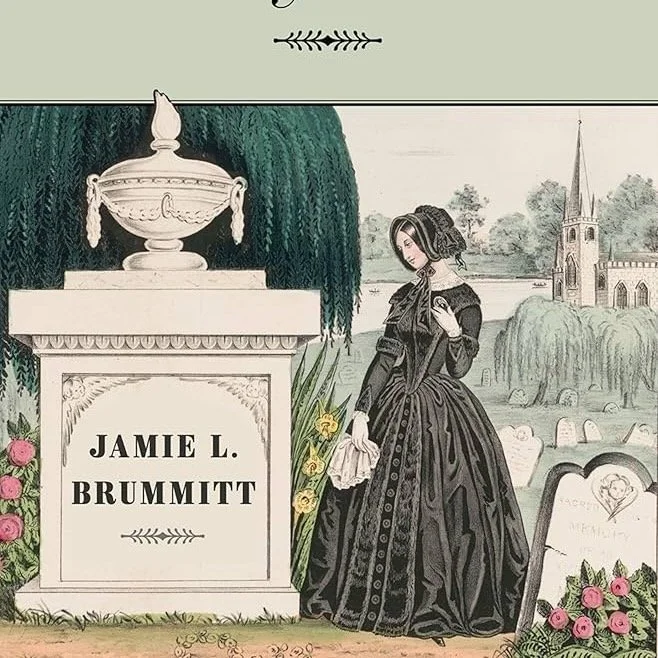
Author Jamie L. Brummitt joins the library for a reading and discussion of her book Protestant Relics in Early America. From postmortem images to locks of hair, this book explores how Americans have inspected corpses for signs of the supernatural and collected relics to feel the souls of their dead loved ones in heaven.
In early America, people of all walks of life sought supernatural experiences with corpses and relics. They viewed and touched corpses laid out on deathbeds and in coffins to catch glimpses of heaven. They collected relics from deathbeds, stole relics from tombs, made relics in schools, visited relics at pilgrimage sites like George Washington's Mount Vernon, purchased relics in the marketplace, and carried relics into the American Revolution and the Civil War. Locks of hair, blood, bones, portraits, daguerreotypes, postmortem images, memoirs, deathbed letters, Bibles, clothes, embroidered and painted mourning pieces, and a plethora of other objects that had been touched, used, or owned by the dead became relics. People said touching these relics helped them feel and communicate with the dead in heaven. These corpse inspection and relic practices were so pervasive that they shaped systems of earthly and heavenly power in early America, from young women's education to national elections to the structure of freedom and families in the afterlife.
——
Jamie L. Brummitt is a professor of religion, death, and mourning at the University of North Carolina Wilmington. She earned her PhD from Duke University. Her book Protestant Relics in Early America examines relic veneration, corpse inspection, and the art of mourning from the Protestant Reformation to the early United States. She also writes about death, mourning, and relics in the American Civil War. When she is not studying death, Jamie likes hunting for relics at thrift stores, preserving relics, and watching supernatural TV shows.
Visit jamiebrummitt.com
Saturday, April 18, 2026
5:00pm - 6:00pm ET (NYC time)
The Morbid Anatomy Library at Industry City, Brooklyn
254 36th Street (between 3rd and 4th Ave),
Building 2, room C248. Enter at 254 36 street, immediately turn right, and ascend one flight of stairs, or use the elevator to the second floor.
Author Jamie L. Brummitt joins the library for a reading and discussion of her book Protestant Relics in Early America. From postmortem images to locks of hair, this book explores how Americans have inspected corpses for signs of the supernatural and collected relics to feel the souls of their dead loved ones in heaven.
In early America, people of all walks of life sought supernatural experiences with corpses and relics. They viewed and touched corpses laid out on deathbeds and in coffins to catch glimpses of heaven. They collected relics from deathbeds, stole relics from tombs, made relics in schools, visited relics at pilgrimage sites like George Washington's Mount Vernon, purchased relics in the marketplace, and carried relics into the American Revolution and the Civil War. Locks of hair, blood, bones, portraits, daguerreotypes, postmortem images, memoirs, deathbed letters, Bibles, clothes, embroidered and painted mourning pieces, and a plethora of other objects that had been touched, used, or owned by the dead became relics. People said touching these relics helped them feel and communicate with the dead in heaven. These corpse inspection and relic practices were so pervasive that they shaped systems of earthly and heavenly power in early America, from young women's education to national elections to the structure of freedom and families in the afterlife.
——
Jamie L. Brummitt is a professor of religion, death, and mourning at the University of North Carolina Wilmington. She earned her PhD from Duke University. Her book Protestant Relics in Early America examines relic veneration, corpse inspection, and the art of mourning from the Protestant Reformation to the early United States. She also writes about death, mourning, and relics in the American Civil War. When she is not studying death, Jamie likes hunting for relics at thrift stores, preserving relics, and watching supernatural TV shows.
Visit jamiebrummitt.com