
 Image 1 of 5
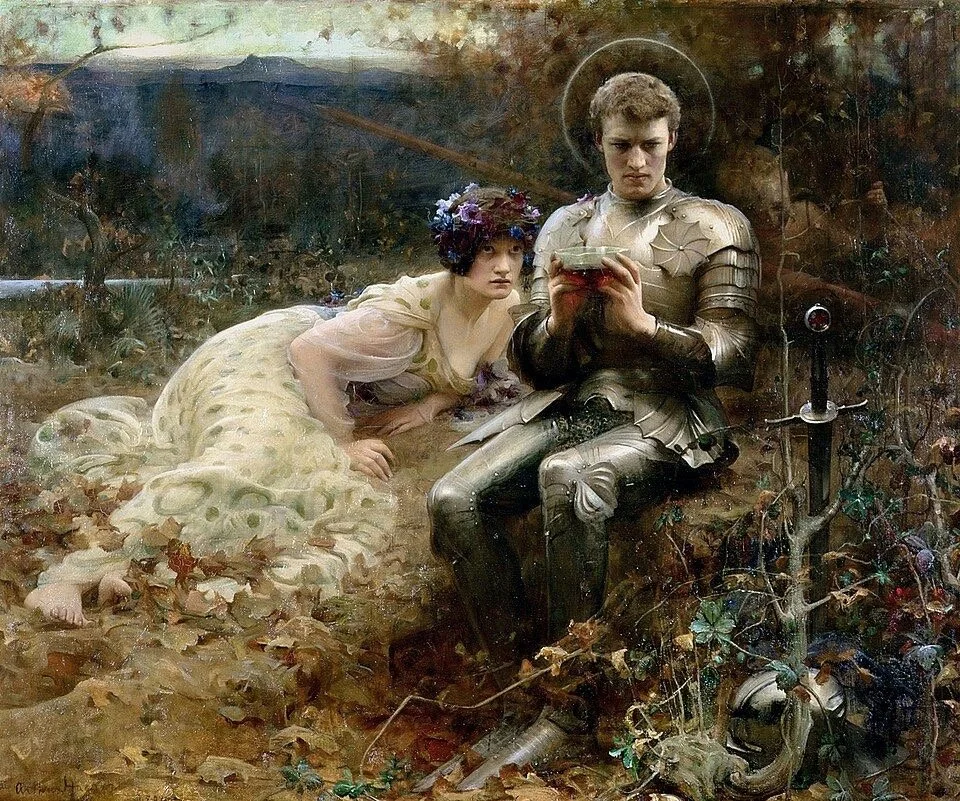 Image 2 of 5
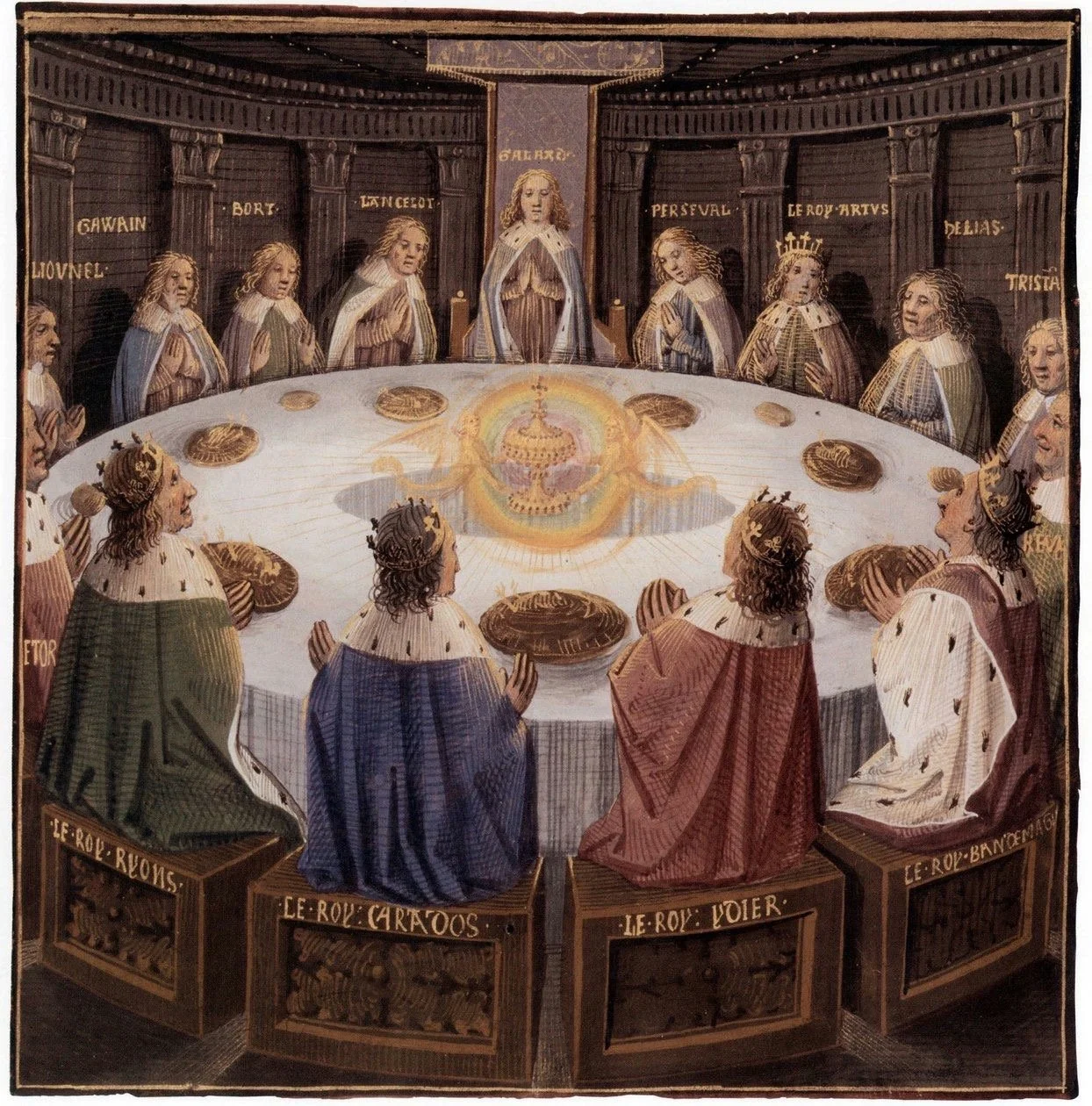 Image 3 of 5
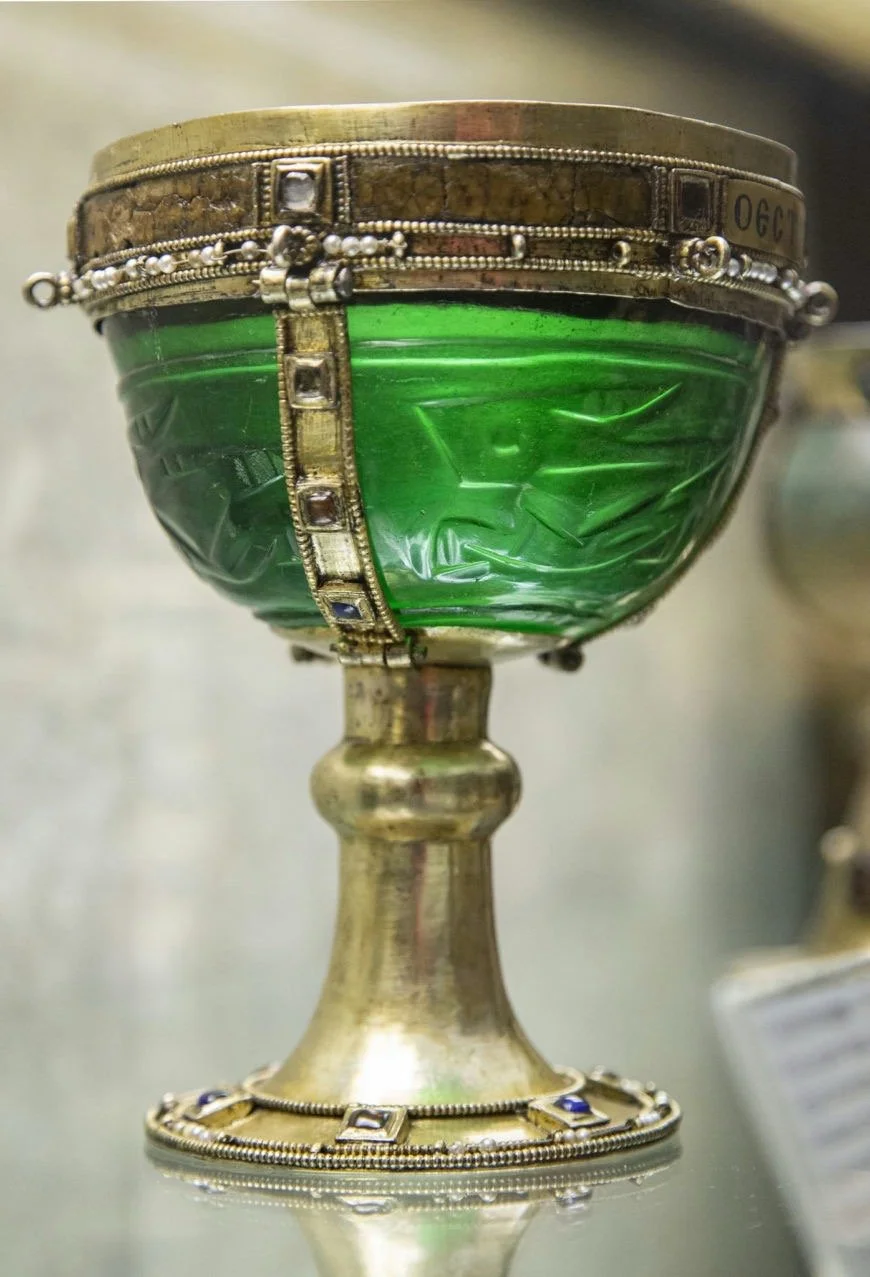 Image 4 of 5
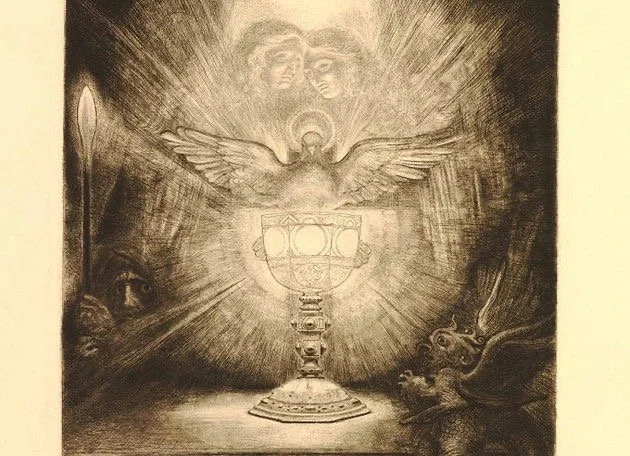 Image 5 of 5
Five Week Class Taught Online Via Zoom
Sundays, November 1 - 29, 2026
2:00 - 4:00pm ET (NYC Time)
$160 Paid Patreon Members / $185 General Admission
PLEASE NOTE: Classes will be recorded and archived for students who cannot make that time
From mysterious serving vessels in medieval romance to relics containing the blood of Christ, from Celtic cauldrons of immortality to luminous stones fallen from Heaven, the Holy Grail has haunted the Western imagination for nearly a thousand years. Part sacred object, part visionary symbol, part initiatory guide, the Grail continually changes shape in every era that encounters it.
In this five-week course, we will trace the Grail through mythology, medieval literature, crusading culture, mysticism, alchemy, Romanticism, Jungian psychology, archaeology, conspiracy theory, fantasy literature, and film. Along the way we will encounter wounded kings, wandering knights, ruined chapels, other-worldly queens, Templars, alchemists, Wagnerian mystics, Symbolist artists, fascist occultists, and modern seekers pursuing transcendence through archetype. Rather than asking whether the Grail was objectively “real,” we will explore why it became one of the most enduring symbolic and visionary objects in European culture. The Grail continues to possess the imagination and act as a tool for puzzling out how the ineffable takes on form and calls out to human beings to be sought, found and held.
Week I — Before the Grail: Cauldrons, Relics, and Sacred Vessels
Before the Grail entered Christian legend, Europe was already filled with stories of magical vessels that restored life, bestowed wisdom, or fed the dead. In this opening week, we’ll explore the deep mythological background of the Grail tradition: Celtic cauldrons of rebirth, sacred cups, relic cults, Eucharistic theology, Byzantine treasures, and the rise of pilgrimage culture. We will examine how medieval people transformed older motifs into a sacred narrative centered on mystery, kingship, and divine absence.
Week II — Knights of the Grail: Arthurian Romance and Visionary Quest
The Grail enters literature through the dreamlike world of Arthurian romance, where wandering knights move through enchanted forests, ruined chapels and castles suspended outside ordinary reality. This week we’ll explore the symbolism of the Fisher King, the Waste Land, Perceval’s failure, and Galahad’s perfection, tracing how high medieval romance transformed chivalry into a spiritual and psychological quest shaped by longing, silence, and revelation.
Week III — The Emerald Grail: Lucifer, Alchemy, and the Heavenly Stone
As Grail traditions evolved, the sacred vessel increasingly became linked to esoteric cosmology and hidden wisdom. This week we’ll examine the strange tradition that the Grail was not a chalice at all, but a luminous stone—sometimes imagined as an emerald fallen from Lucifer’s crown during the rebellion of the angels. Beginning with Wolfram von Eschenbach’s mysterious lapsit exillis, we trace the Grail through medieval lapidary lore, alchemy, Rosicrucian symbolism, Wagnerian mysticism, and the Romantic occult revival. The Grail emerges here as a cosmic object of divine illumination and sometimes dangerous knowledge.
Week IV — The Grail and the Modern Soul: Ritual, Symbolism, and the Waste Land
In the nineteenth and twentieth centuries, the Grail became a psychological and spiritual symbol as much as a sacred relic. This week we’ll look at ritual theory, comparative mythology, Jungian psychology, and Symbolist art, examining how the Grail was transformed into a metaphor for spiritual drought, fragmentation, and inner renewal. For many great modernists like James Frazer, Jessie Weston, Carl Jung, Richard Wagner, Maurice Maeterlinck and T. S, Eliot, the Grail becomes an image of the modern soul wandering through a metaphysical Waste Land in search of restoration and rejuvenation.
Week V — Grail Fever: Archaeology, Fantasy, and Pop Culture
In this concluding week, well explore the Grail in the contemporary world: in pop archaeology, nationalism, conspiracy theory, fantasy literature, film, gaming, and New Age spirituality. From traditionalist revivalism and fascist pseudo-science to Hollywood fantasy and 1960’s psychedelic visions, the Grail continually adapts itself to the anxieties and desires of each age. The Grail acts just as relics of old: as material object onto which countless groups projected their own needs and fantasies about the beyond.
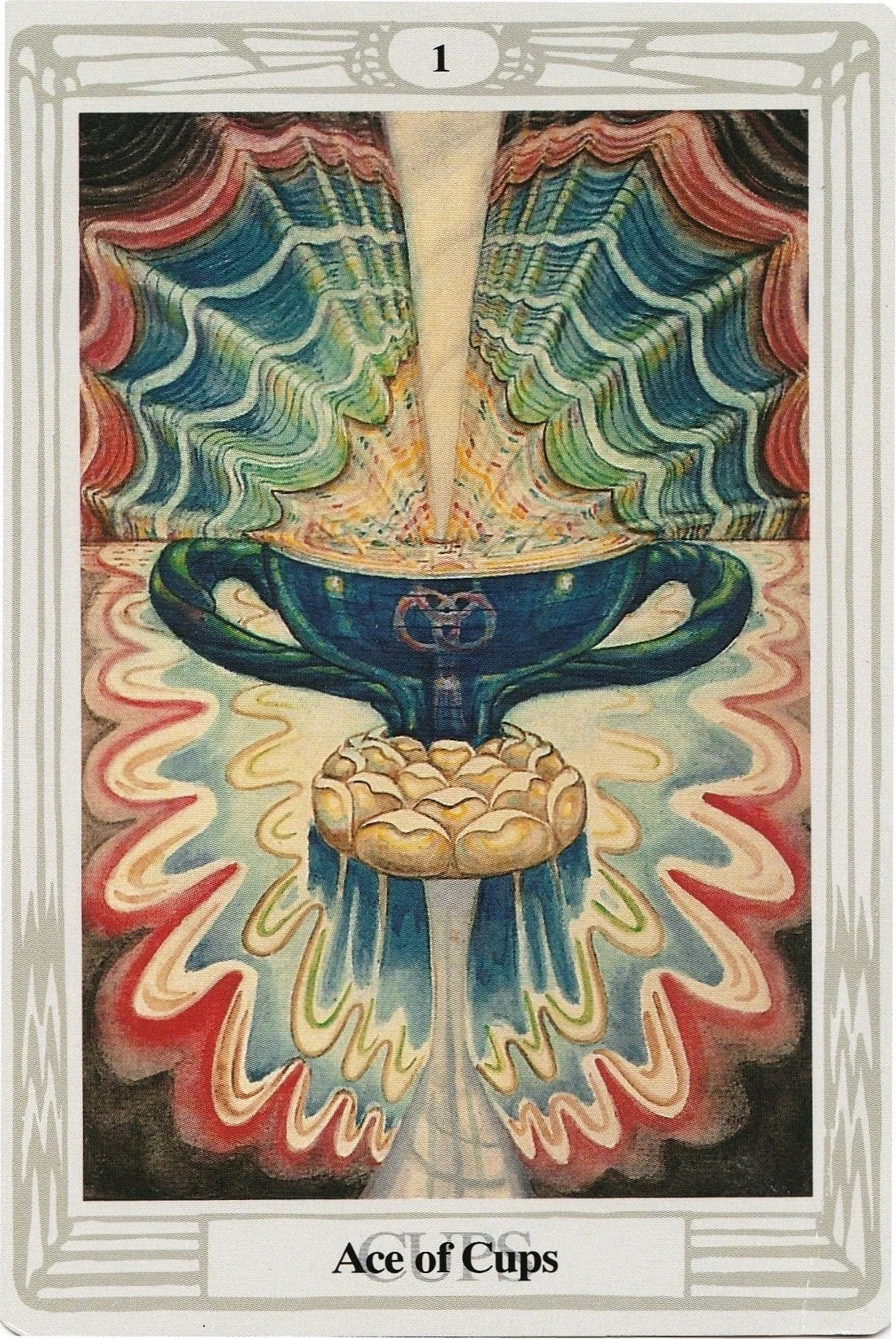
Images: Lady Frieda Harris, Ace of Cups from the Crowley Thoth Tarot (ca. 1938–1943); Arthur Hacker, The Temptation of Sir Percival (ca. 1894); Galahad on the Seat Perilous, the Holy Grail Appears, illumination by Evrard d’Espinques from Queste del Saint Graal (ca. 1470); Byzantine chalice: 9th–10th century Persian or Egyptian glass bowl, set in 11th-century metalwork; Rogelio de Egusquiza, El Santo Grial (ca. 1901).
Jason Lahman is an artist and cultural historian specializing in the history of technology, science and the occult. He has lectured often and taught a number of classes for Morbid Anatomy including A Cultural History of Robots, A History of Fairies and a two part course on the history of the Femme Fatale.
Five Week Class Taught Online Via Zoom
Sundays, November 1 - 29, 2026
2:00 - 4:00pm ET (NYC Time)
$160 Paid Patreon Members / $185 General Admission
PLEASE NOTE: Classes will be recorded and archived for students who cannot make that time
From mysterious serving vessels in medieval romance to relics containing the blood of Christ, from Celtic cauldrons of immortality to luminous stones fallen from Heaven, the Holy Grail has haunted the Western imagination for nearly a thousand years. Part sacred object, part visionary symbol, part initiatory guide, the Grail continually changes shape in every era that encounters it.
In this five-week course, we will trace the Grail through mythology, medieval literature, crusading culture, mysticism, alchemy, Romanticism, Jungian psychology, archaeology, conspiracy theory, fantasy literature, and film. Along the way we will encounter wounded kings, wandering knights, ruined chapels, other-worldly queens, Templars, alchemists, Wagnerian mystics, Symbolist artists, fascist occultists, and modern seekers pursuing transcendence through archetype. Rather than asking whether the Grail was objectively “real,” we will explore why it became one of the most enduring symbolic and visionary objects in European culture. The Grail continues to possess the imagination and act as a tool for puzzling out how the ineffable takes on form and calls out to human beings to be sought, found and held.
Week I — Before the Grail: Cauldrons, Relics, and Sacred Vessels
Before the Grail entered Christian legend, Europe was already filled with stories of magical vessels that restored life, bestowed wisdom, or fed the dead. In this opening week, we’ll explore the deep mythological background of the Grail tradition: Celtic cauldrons of rebirth, sacred cups, relic cults, Eucharistic theology, Byzantine treasures, and the rise of pilgrimage culture. We will examine how medieval people transformed older motifs into a sacred narrative centered on mystery, kingship, and divine absence.
Week II — Knights of the Grail: Arthurian Romance and Visionary Quest
The Grail enters literature through the dreamlike world of Arthurian romance, where wandering knights move through enchanted forests, ruined chapels and castles suspended outside ordinary reality. This week we’ll explore the symbolism of the Fisher King, the Waste Land, Perceval’s failure, and Galahad’s perfection, tracing how high medieval romance transformed chivalry into a spiritual and psychological quest shaped by longing, silence, and revelation.
Week III — The Emerald Grail: Lucifer, Alchemy, and the Heavenly Stone
As Grail traditions evolved, the sacred vessel increasingly became linked to esoteric cosmology and hidden wisdom. This week we’ll examine the strange tradition that the Grail was not a chalice at all, but a luminous stone—sometimes imagined as an emerald fallen from Lucifer’s crown during the rebellion of the angels. Beginning with Wolfram von Eschenbach’s mysterious lapsit exillis, we trace the Grail through medieval lapidary lore, alchemy, Rosicrucian symbolism, Wagnerian mysticism, and the Romantic occult revival. The Grail emerges here as a cosmic object of divine illumination and sometimes dangerous knowledge.
Week IV — The Grail and the Modern Soul: Ritual, Symbolism, and the Waste Land
In the nineteenth and twentieth centuries, the Grail became a psychological and spiritual symbol as much as a sacred relic. This week we’ll look at ritual theory, comparative mythology, Jungian psychology, and Symbolist art, examining how the Grail was transformed into a metaphor for spiritual drought, fragmentation, and inner renewal. For many great modernists like James Frazer, Jessie Weston, Carl Jung, Richard Wagner, Maurice Maeterlinck and T. S, Eliot, the Grail becomes an image of the modern soul wandering through a metaphysical Waste Land in search of restoration and rejuvenation.
Week V — Grail Fever: Archaeology, Fantasy, and Pop Culture
In this concluding week, well explore the Grail in the contemporary world: in pop archaeology, nationalism, conspiracy theory, fantasy literature, film, gaming, and New Age spirituality. From traditionalist revivalism and fascist pseudo-science to Hollywood fantasy and 1960’s psychedelic visions, the Grail continually adapts itself to the anxieties and desires of each age. The Grail acts just as relics of old: as material object onto which countless groups projected their own needs and fantasies about the beyond.
Images: Lady Frieda Harris, Ace of Cups from the Crowley Thoth Tarot (ca. 1938–1943); Arthur Hacker, The Temptation of Sir Percival (ca. 1894); Galahad on the Seat Perilous, the Holy Grail Appears, illumination by Evrard d’Espinques from Queste del Saint Graal (ca. 1470); Byzantine chalice: 9th–10th century Persian or Egyptian glass bowl, set in 11th-century metalwork; Rogelio de Egusquiza, El Santo Grial (ca. 1901).
Jason Lahman is an artist and cultural historian specializing in the history of technology, science and the occult. He has lectured often and taught a number of classes for Morbid Anatomy including A Cultural History of Robots, A History of Fairies and a two part course on the history of the Femme Fatale.