
 Image 1 of 5
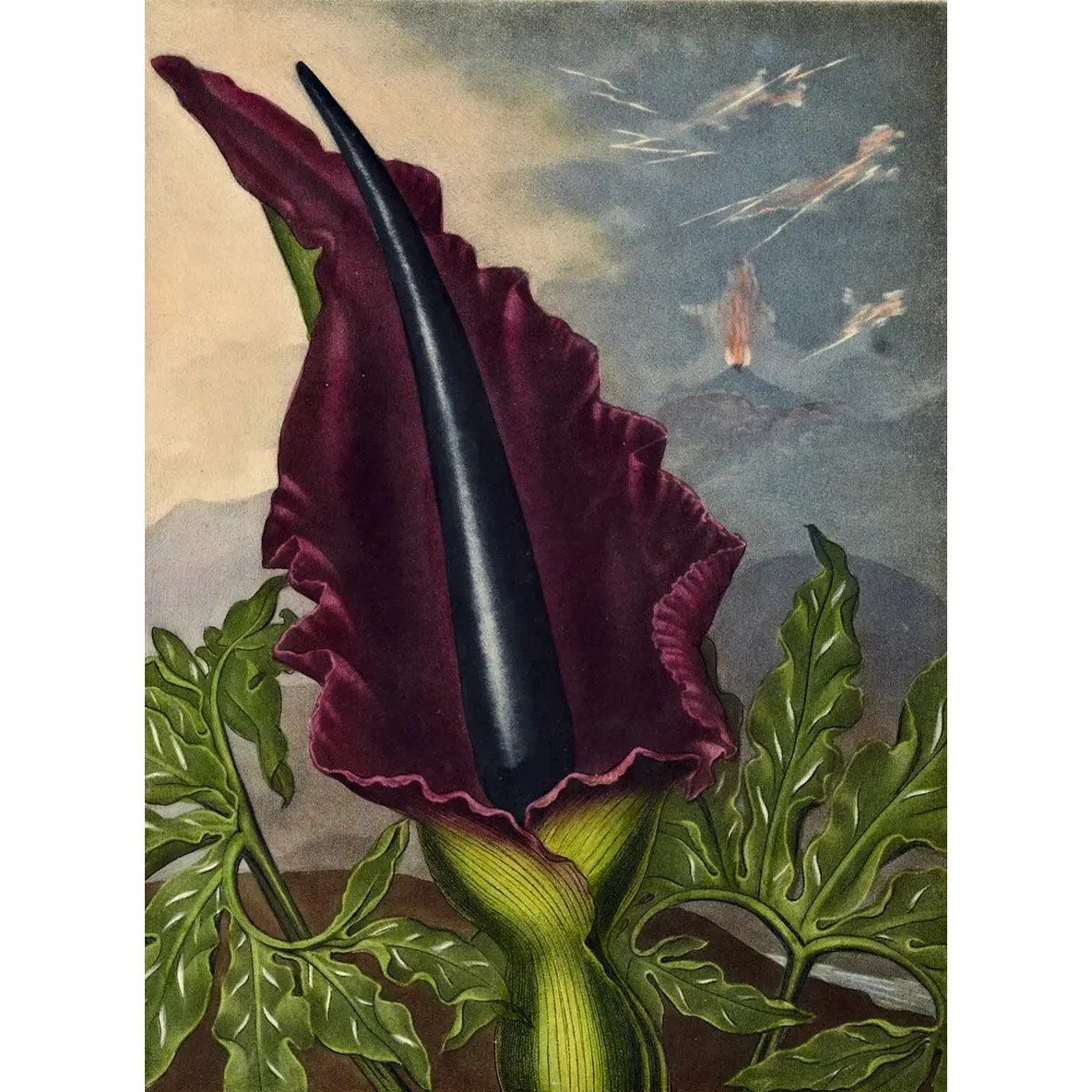 Image 2 of 5
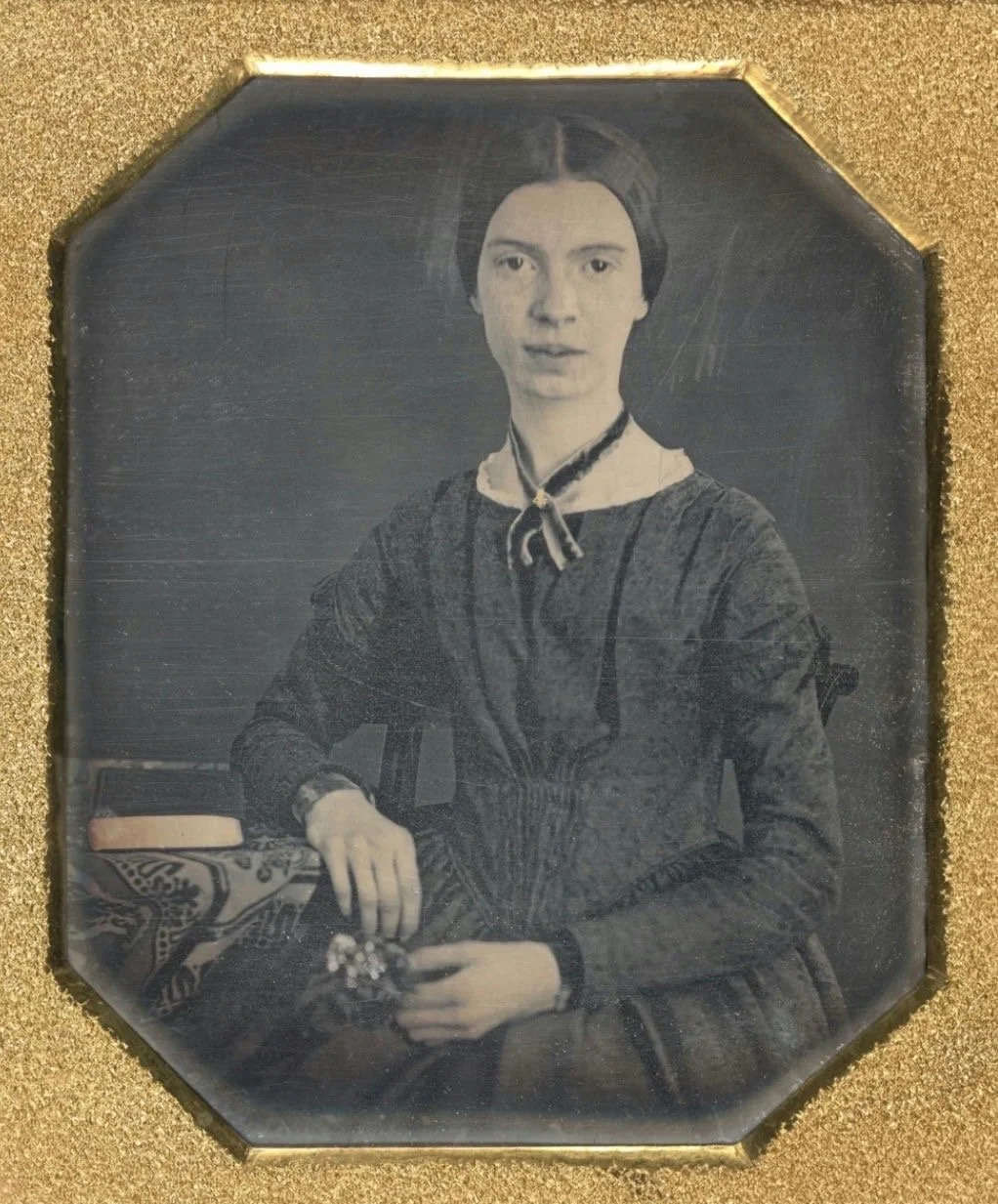 Image 3 of 5
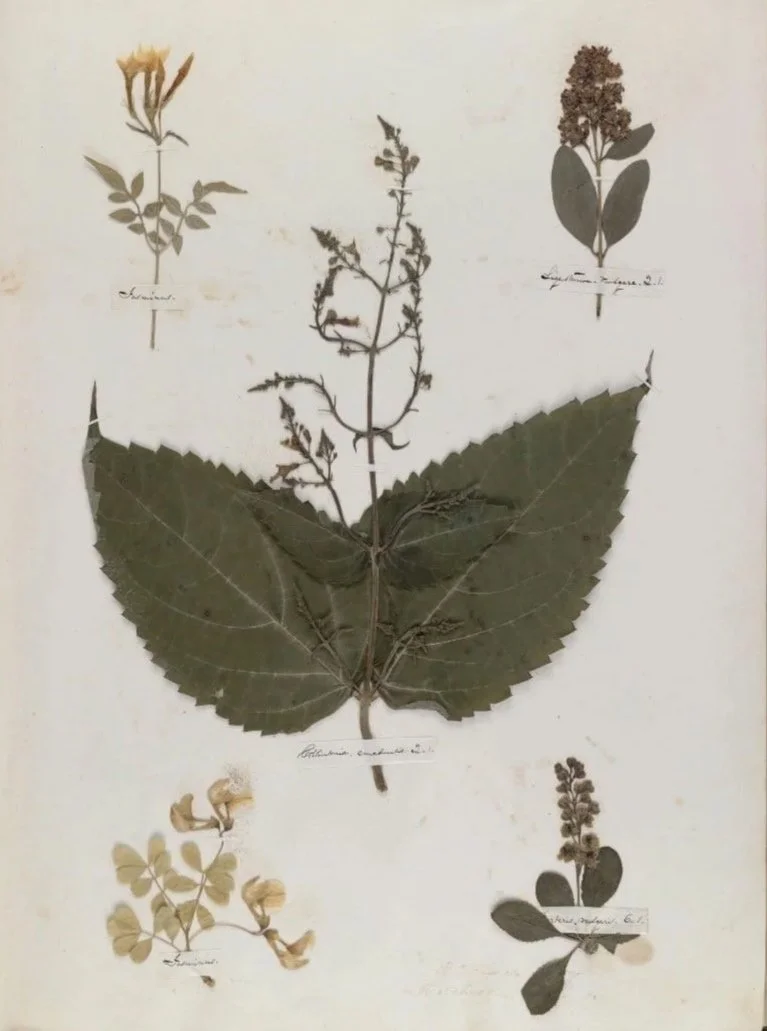 Image 4 of 5
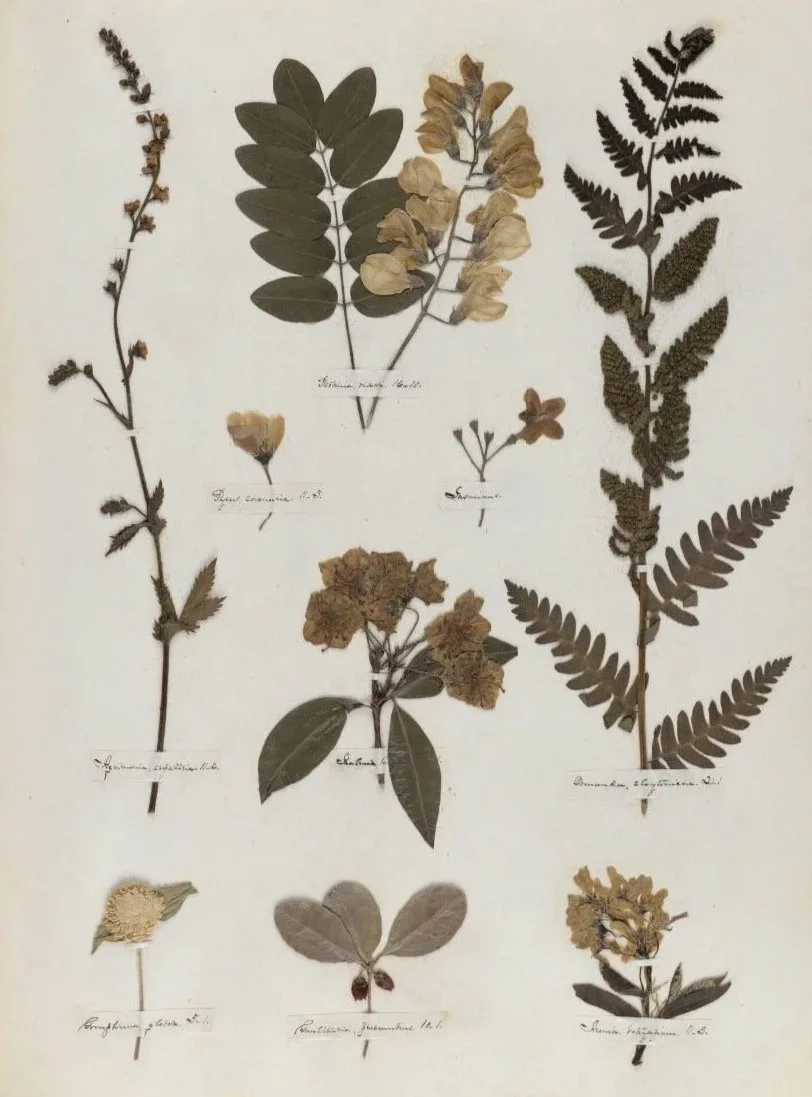 Image 5 of 5
Four Week Class Taught Online Via Zoom
Fridays, August 21 -September 11, 2026
6:00 - 8:00pm ET (NYC Time)
$155 Paid Patreon Members / $160 General Admission
PLEASE NOTE: Classes will be recorded and archived for students who cannot make that time
Emily Dickinson’s Herbarium, a collection of carefully pressed plants, reflects her deep connection to nature, scientific curiosity, and poetic imagination. More than a botanical archive, her Herbarium reveals the intimate and layered dialogue she sustained between observation, literary voice, and inner life, offering a profound glimpse into the complexity of her creative world.
In this four-week online course, we will explore Dickinson’s relationship with nature, language, and preservation, and be given the opportunity to create a personal botanical art book inspired by her carefully curated herbarium.
Through mindful observation, writing exercises, visual inspiration, and guided creative exploration, participants will be invited into a slower and more attentive engagement with Dickinson’s poetic universe. Creative exploration may include pressed flowers, collage, hand-written passages, drawing, and experimental bookmaking techniques. Those who prefer a more reflective approach are equally welcome to participate through observation or writing, without the pressure to produce a finished object. This open structure will allow each participant to engage at their own rhythm, according to their energy, curiosity, and creative inclination.
Participants who wish to create a final project will be invited to gather botanical specimens and experiment with composition, arrangement, writing, and bookmaking techniques while designing a unique personal book inspired by Dickinson’s Herbarium. Participants may blend pressed flowers, preserved plants, text, collage, and other expressive media to construct their own poetic and botanical interpretation of Emily's creative world.
This course is intended for lovers of Dickinson's poetry, writers, artists, and anyone drawn to the intersection of poetry, nature, creativity, and contemplative practices. Over the course of four weeks, we will engage with Dickinson’s world, finding inspiration in her warm intensity and translating it into our own poetic, botanical pages.
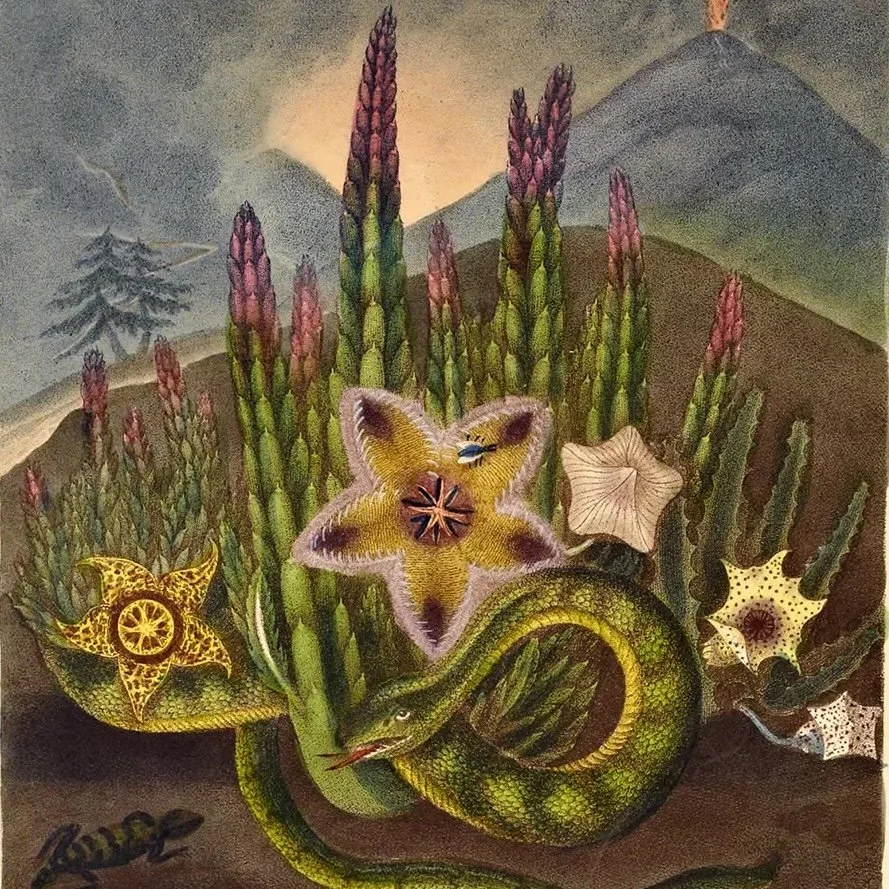
Images: From “The Poetry of Plants" is "Aspidium Filix Mas" (Shield Fern Fronds) by Karl Blossfeldt, from his 1928 book Urformen der Kunst (Art Forms of Nature). Pages from Emily Dickinson's herbarium, ca. late 18th century, Houghton Library, Harvard University; Emily Dickinson, ca. 1847, Amherst College Archives & Special Collections;
Teté Montero is a Mexican artist and educator, storyteller, death doula, unicorn enchantress, and weaver, by choice. She's neurodivergent by neurology, and a self appointed renaissance woman. She apprenticed under the care of master weaver Kenzo Jo in Saori Art Weaving in Japan. In addition, she has diverse focus studies from the University of Cambridge, Harvard University, The Hospice Association, Upaya Zen Center, and the Authentic Presence Organization. Originally focused in clinical medical studies and contemplative end of life care, with a latter shift into her lifelong special interests; medieval studies, socially engaged Buddhism, fine arts, and art history. She has found her true calling via education and inspiring artists through their creative paths. She currently runs an art teaching studio in Mexico City with the ghost of her dog Kayi. She is also a practicing Buddhist.
Four Week Class Taught Online Via Zoom
Fridays, August 21 -September 11, 2026
6:00 - 8:00pm ET (NYC Time)
$155 Paid Patreon Members / $160 General Admission
PLEASE NOTE: Classes will be recorded and archived for students who cannot make that time
Emily Dickinson’s Herbarium, a collection of carefully pressed plants, reflects her deep connection to nature, scientific curiosity, and poetic imagination. More than a botanical archive, her Herbarium reveals the intimate and layered dialogue she sustained between observation, literary voice, and inner life, offering a profound glimpse into the complexity of her creative world.
In this four-week online course, we will explore Dickinson’s relationship with nature, language, and preservation, and be given the opportunity to create a personal botanical art book inspired by her carefully curated herbarium.
Through mindful observation, writing exercises, visual inspiration, and guided creative exploration, participants will be invited into a slower and more attentive engagement with Dickinson’s poetic universe. Creative exploration may include pressed flowers, collage, hand-written passages, drawing, and experimental bookmaking techniques. Those who prefer a more reflective approach are equally welcome to participate through observation or writing, without the pressure to produce a finished object. This open structure will allow each participant to engage at their own rhythm, according to their energy, curiosity, and creative inclination.
Participants who wish to create a final project will be invited to gather botanical specimens and experiment with composition, arrangement, writing, and bookmaking techniques while designing a unique personal book inspired by Dickinson’s Herbarium. Participants may blend pressed flowers, preserved plants, text, collage, and other expressive media to construct their own poetic and botanical interpretation of Emily's creative world.
This course is intended for lovers of Dickinson's poetry, writers, artists, and anyone drawn to the intersection of poetry, nature, creativity, and contemplative practices. Over the course of four weeks, we will engage with Dickinson’s world, finding inspiration in her warm intensity and translating it into our own poetic, botanical pages.
Images: From “The Poetry of Plants" is "Aspidium Filix Mas" (Shield Fern Fronds) by Karl Blossfeldt, from his 1928 book Urformen der Kunst (Art Forms of Nature). Pages from Emily Dickinson's herbarium, ca. late 18th century, Houghton Library, Harvard University; Emily Dickinson, ca. 1847, Amherst College Archives & Special Collections;
Teté Montero is a Mexican artist and educator, storyteller, death doula, unicorn enchantress, and weaver, by choice. She's neurodivergent by neurology, and a self appointed renaissance woman. She apprenticed under the care of master weaver Kenzo Jo in Saori Art Weaving in Japan. In addition, she has diverse focus studies from the University of Cambridge, Harvard University, The Hospice Association, Upaya Zen Center, and the Authentic Presence Organization. Originally focused in clinical medical studies and contemplative end of life care, with a latter shift into her lifelong special interests; medieval studies, socially engaged Buddhism, fine arts, and art history. She has found her true calling via education and inspiring artists through their creative paths. She currently runs an art teaching studio in Mexico City with the ghost of her dog Kayi. She is also a practicing Buddhist.