
 Image 1 of 4
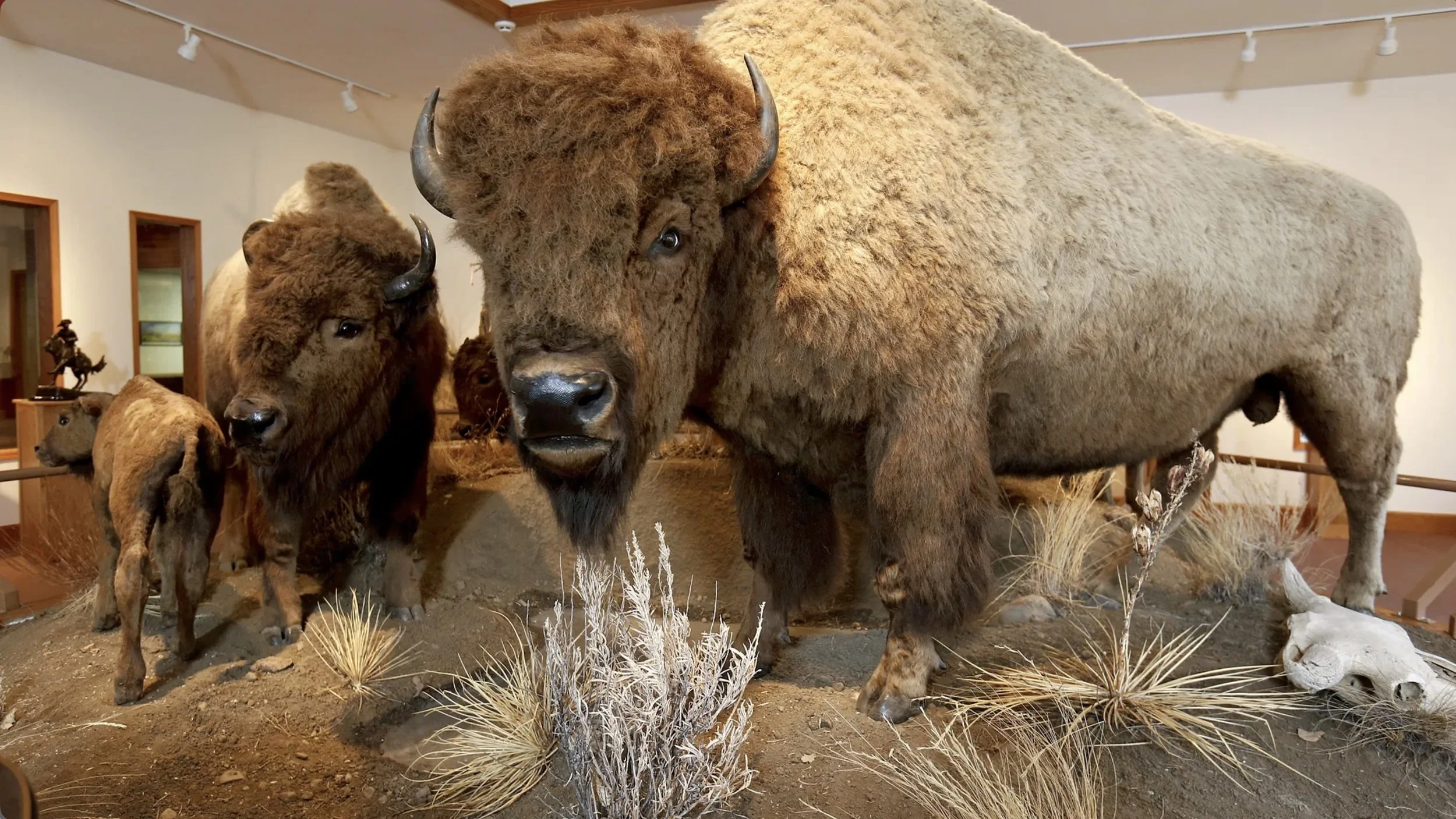 Image 2 of 4
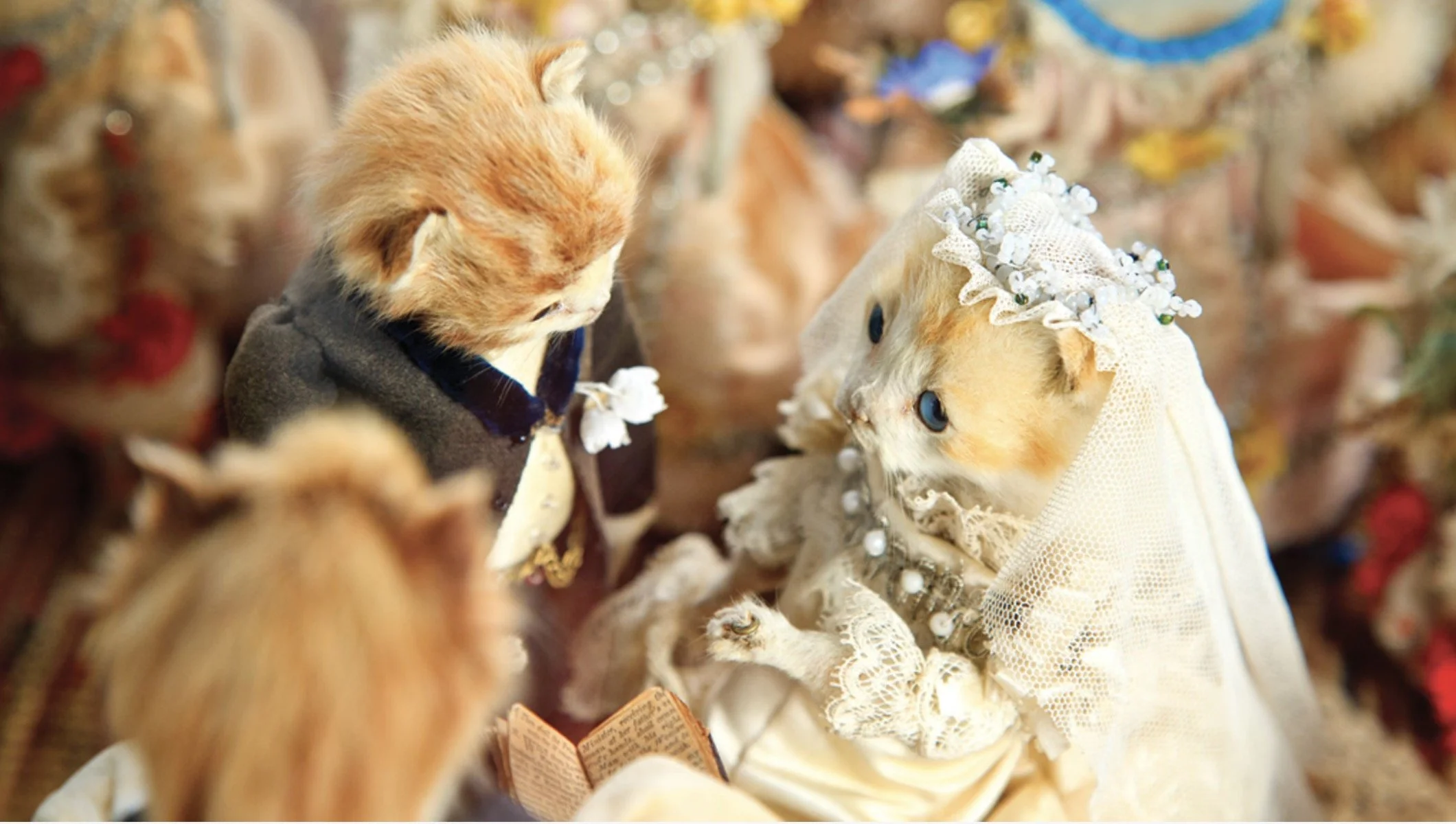 Image 3 of 4
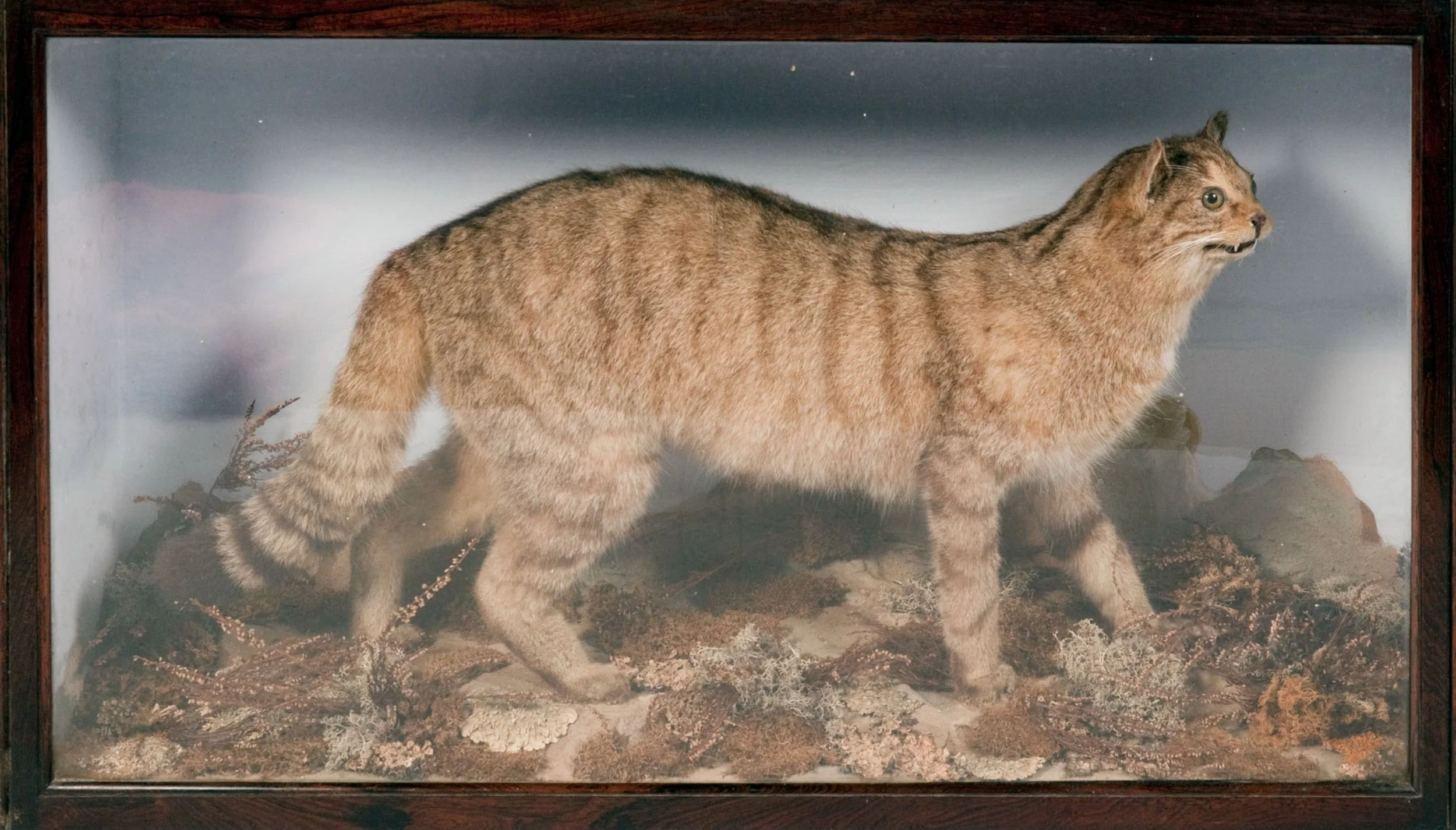 Image 4 of 4
Six Week Class Taught Online Via Zoom
Tuesdays, November 3 - December 8, 2026
7:00 - 8:30pm ET (NYC Time)
$160 Paid Patreon Members / $180 General Admission
PLEASE NOTE: Classes will be recorded and archived for students who cannot make that time
Join Robert Marbury, author of Taxidermy Art: A Rogue's Guide, for a six-week immersion into the polysemous world of preserved animals. Rather than a technique class, this class will use taxidermy as a pressure gauge for who holds cultural authority over the natural world at any given moment.
Over the course of six weeks, we will move through time and space, from the Wunderkammer to the Rogue Taxidermy movement, asking not just what taxidermy means, but who has the power to decide that meaning. This includes an honest look at the asymmetry baked into natural history itself: whose labor filled the cases, whose knowledge got credited, and whose got erased.
Each session pairs a visual lecture with structured discussion. Together we'll trace six eras where the same preserved animal shifts identity depending on who's holding the mount:
Session 1: Memory and the Wunderkammer (Pre-1740). Before science claimed the animal, the cabinet of curiosities did. We look at taxidermy as an early memory device, a way for a collector to hold the world in one room and claim command over it.
Session 2: Systema Naturae and The Crystal Palace (1735–1851). Linnaeus gives the animal a name it didn't choose. The Great Exhibition puts that naming on public display. Taxonomy becomes an Enlightenment ordering project, and the museum becomes a stage for imperial reach.
Session 3: The Great Auk and the Boy Scouts (1852–1910). Extinction turns the specimen urgent. We track the pivot from trophy to evidence, and how youth conservation movements folded taxidermy into moral education just as the natural world it preserved was disappearing.
Session 4: Smithsonian-Roosevelt Expedition and The Physical Impossibility of Death in the Mind of Someone Living (1910–2004). From Roosevelt's African expedition, where big-game hunting doubled as science, to Damien Hirst's shark in formaldehyde. A century compressed into one session, tracking the animal's move from institutional specimen to fine art provocation.
Session 5: From Rogue til Now (2004–2026). The Minnesota Association of Rogue Taxidermists forms as a deliberate rupture. We follow the DIY movement it sparked through to today's meme culture, where authority over the animal splinters for good.
Session 6: Class Presentations. Students apply the framework built over five sessions to a presenting on a preserved animal, object, or image of their choosing, making their own argument about who holds the power to define it.
By the end of the course, students will leave with a working framework for reading any preserved animal, in a museum, a gallery, or a meme, as an argument about power as much as a specimen of nature.
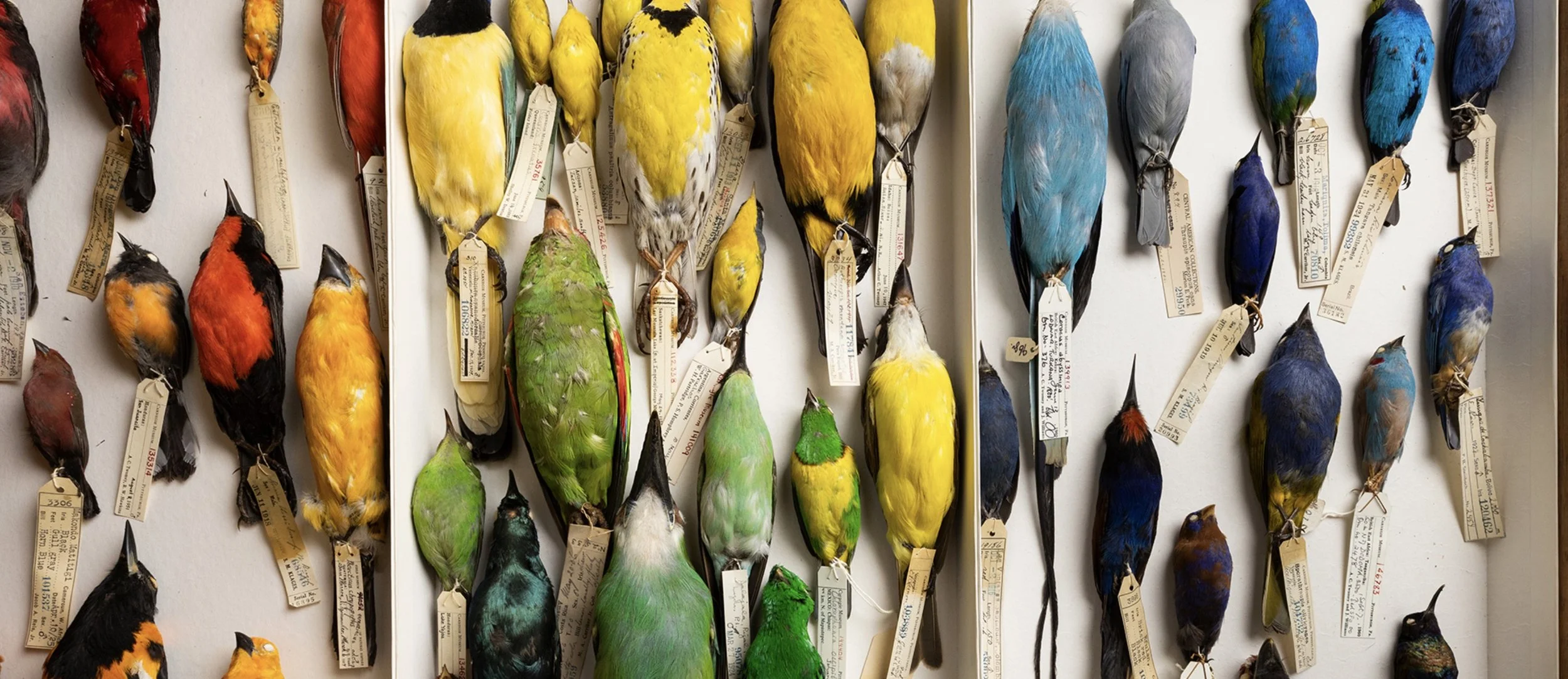
Images: Photograph of bird taxidermy by Chip Clark; Photograph of bison taxidermy; Photograph of kitten taxidermy by Joanna Ebenstein; Photograph of stuffed wild cat by Lyon & Turnbell.
Robert Marbury is a Baltimore-based multidisciplinary artist whose work blends humor, research, and anthropology to explore how humans contextualize nature. Co-founder of the Minnesota Association of Rogue Taxidermists and author of Taxidermy Art, his practice spans fur, fiber, and photography, revealing curious narratives between the wild and the everyday.
Six Week Class Taught Online Via Zoom
Tuesdays, November 3 - December 8, 2026
7:00 - 8:30pm ET (NYC Time)
$160 Paid Patreon Members / $180 General Admission
PLEASE NOTE: Classes will be recorded and archived for students who cannot make that time
Join Robert Marbury, author of Taxidermy Art: A Rogue's Guide, for a six-week immersion into the polysemous world of preserved animals. Rather than a technique class, this class will use taxidermy as a pressure gauge for who holds cultural authority over the natural world at any given moment.
Over the course of six weeks, we will move through time and space, from the Wunderkammer to the Rogue Taxidermy movement, asking not just what taxidermy means, but who has the power to decide that meaning. This includes an honest look at the asymmetry baked into natural history itself: whose labor filled the cases, whose knowledge got credited, and whose got erased.
Each session pairs a visual lecture with structured discussion. Together we'll trace six eras where the same preserved animal shifts identity depending on who's holding the mount:
Session 1: Memory and the Wunderkammer (Pre-1740). Before science claimed the animal, the cabinet of curiosities did. We look at taxidermy as an early memory device, a way for a collector to hold the world in one room and claim command over it.
Session 2: Systema Naturae and The Crystal Palace (1735–1851). Linnaeus gives the animal a name it didn't choose. The Great Exhibition puts that naming on public display. Taxonomy becomes an Enlightenment ordering project, and the museum becomes a stage for imperial reach.
Session 3: The Great Auk and the Boy Scouts (1852–1910). Extinction turns the specimen urgent. We track the pivot from trophy to evidence, and how youth conservation movements folded taxidermy into moral education just as the natural world it preserved was disappearing.
Session 4: Smithsonian-Roosevelt Expedition and The Physical Impossibility of Death in the Mind of Someone Living (1910–2004). From Roosevelt's African expedition, where big-game hunting doubled as science, to Damien Hirst's shark in formaldehyde. A century compressed into one session, tracking the animal's move from institutional specimen to fine art provocation.
Session 5: From Rogue til Now (2004–2026). The Minnesota Association of Rogue Taxidermists forms as a deliberate rupture. We follow the DIY movement it sparked through to today's meme culture, where authority over the animal splinters for good.
Session 6: Class Presentations. Students apply the framework built over five sessions to a presenting on a preserved animal, object, or image of their choosing, making their own argument about who holds the power to define it.
By the end of the course, students will leave with a working framework for reading any preserved animal, in a museum, a gallery, or a meme, as an argument about power as much as a specimen of nature.
Images: Photograph of bird taxidermy by Chip Clark; Photograph of bison taxidermy; Photograph of kitten taxidermy by Joanna Ebenstein; Photograph of stuffed wild cat by Lyon & Turnbell.
Robert Marbury is a Baltimore-based multidisciplinary artist whose work blends humor, research, and anthropology to explore how humans contextualize nature. Co-founder of the Minnesota Association of Rogue Taxidermists and author of Taxidermy Art, his practice spans fur, fiber, and photography, revealing curious narratives between the wild and the everyday.