
 Image 1 of 2
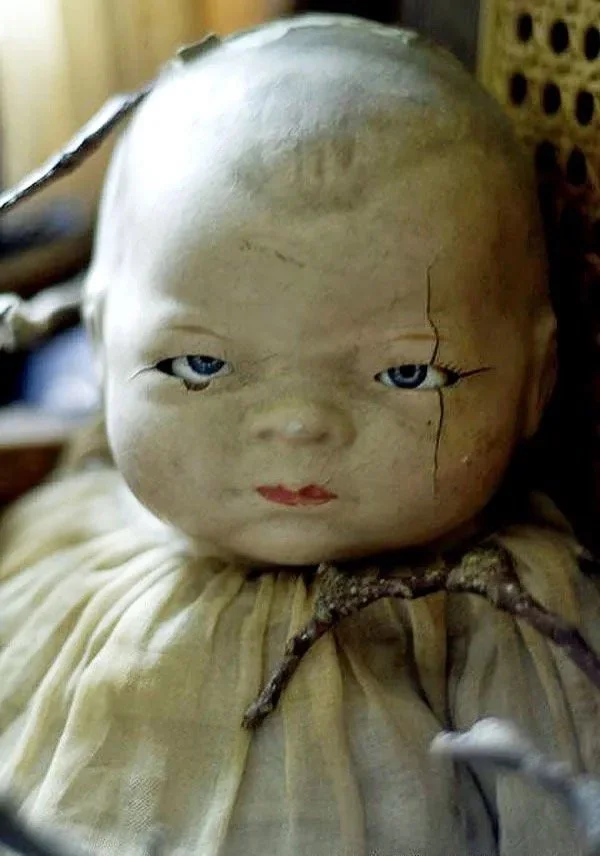 Image 2 of 2
Four Week Class Taught Online Via Zoom
Wednesdays, November 11 - December 2, 2026
7:00 - 8:30pm ET (NYC Time)
$100 Paid Patreon Members / $125 General Admission
PLEASE NOTE: Classes will be recorded and archived for students who cannot make that time.
The hair on the back of your neck is standing up. Goosebumps are rising on your arms. You feel a shudder of horror, but you can’t explain why. Something creepy is going on. Chances are, you are in the presence of the uncanny.
We often toss around the word “uncanny” loosely, referring, for example, to an “uncanny coincidence." In this course, we will take inspiration from the uncanny in its original meaning, as defined by pioneering psychologist Sigmund Freud. In his famous 1919 paper "The Uncanny," Freud defined the uncanny as the feeling evoked by being in the presence of something simultaneously familiar and strange. His theory was rooted in everyday experiences related to what is frightening, repulsive and distressing.
In this course, we will cultivate the experience of the uncanny as a resource for writing, a springboard for creativity, and a catalyst for discussion. We will challenge ourselves to find examples of the uncanny in literature, film, art, and the popular culture that surrounds us every day. We will engage with the uncanny across a wide range of texts and contexts, drawing our inspiration from the examples provided by Freud: the horrific concepts of inanimate figures coming to life, severed limbs, ghosts, doppelgangers, mirrors, shadows, guardian spirits, animism, magic, telepathy, death and rebirth. We'll also consider how to incorporate the uncanny into our own creative writing and art.
Mikita Brottman, PhD, NCPsyA, is an Oxford-educated true crime author, psychoanalyst, and professor of literature at the Maryland Institute College of Art. She is the author of 16 books. Her latest, Guilty Creatures: Sex, Death and Murder in Tallahassee, Florida, was published by Simon & Schuster in 2025.
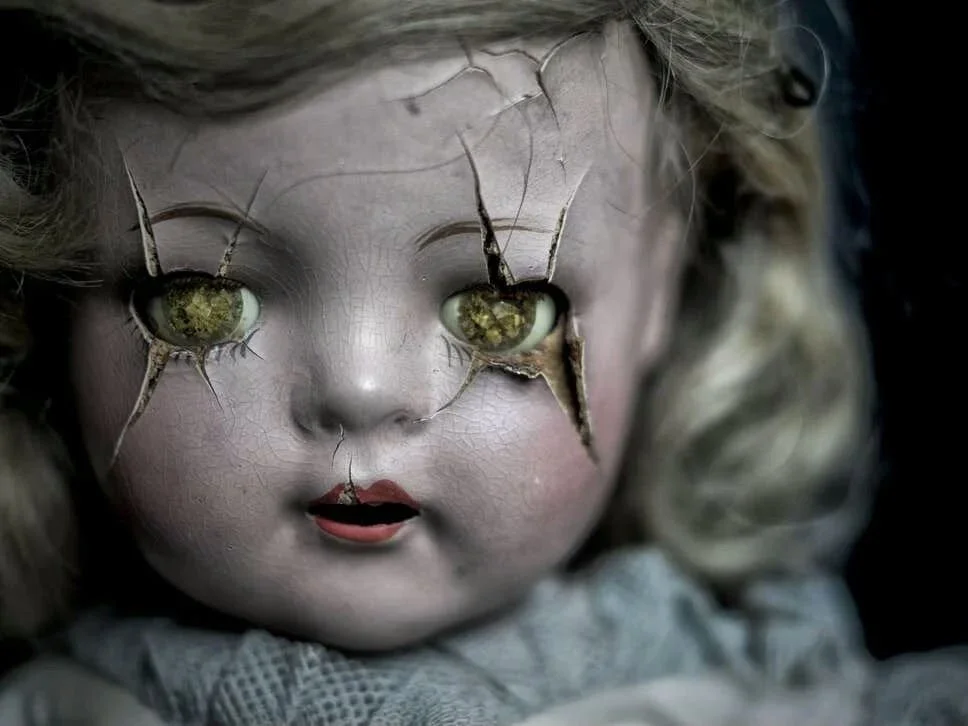
Images: Photograph of dolls by Joe Cicack, Smithsonian Magazine & Independent News.
Four Week Class Taught Online Via Zoom
Wednesdays, November 11 - December 2, 2026
7:00 - 8:30pm ET (NYC Time)
$100 Paid Patreon Members / $125 General Admission
PLEASE NOTE: Classes will be recorded and archived for students who cannot make that time.
The hair on the back of your neck is standing up. Goosebumps are rising on your arms. You feel a shudder of horror, but you can’t explain why. Something creepy is going on. Chances are, you are in the presence of the uncanny.
We often toss around the word “uncanny” loosely, referring, for example, to an “uncanny coincidence." In this course, we will take inspiration from the uncanny in its original meaning, as defined by pioneering psychologist Sigmund Freud. In his famous 1919 paper "The Uncanny," Freud defined the uncanny as the feeling evoked by being in the presence of something simultaneously familiar and strange. His theory was rooted in everyday experiences related to what is frightening, repulsive and distressing.
In this course, we will cultivate the experience of the uncanny as a resource for writing, a springboard for creativity, and a catalyst for discussion. We will challenge ourselves to find examples of the uncanny in literature, film, art, and the popular culture that surrounds us every day. We will engage with the uncanny across a wide range of texts and contexts, drawing our inspiration from the examples provided by Freud: the horrific concepts of inanimate figures coming to life, severed limbs, ghosts, doppelgangers, mirrors, shadows, guardian spirits, animism, magic, telepathy, death and rebirth. We'll also consider how to incorporate the uncanny into our own creative writing and art.
Mikita Brottman, PhD, NCPsyA, is an Oxford-educated true crime author, psychoanalyst, and professor of literature at the Maryland Institute College of Art. She is the author of 16 books. Her latest, Guilty Creatures: Sex, Death and Murder in Tallahassee, Florida, was published by Simon & Schuster in 2025.
Images: Photograph of dolls by Joe Cicack, Smithsonian Magazine & Independent News.