
 Image 1 of 2
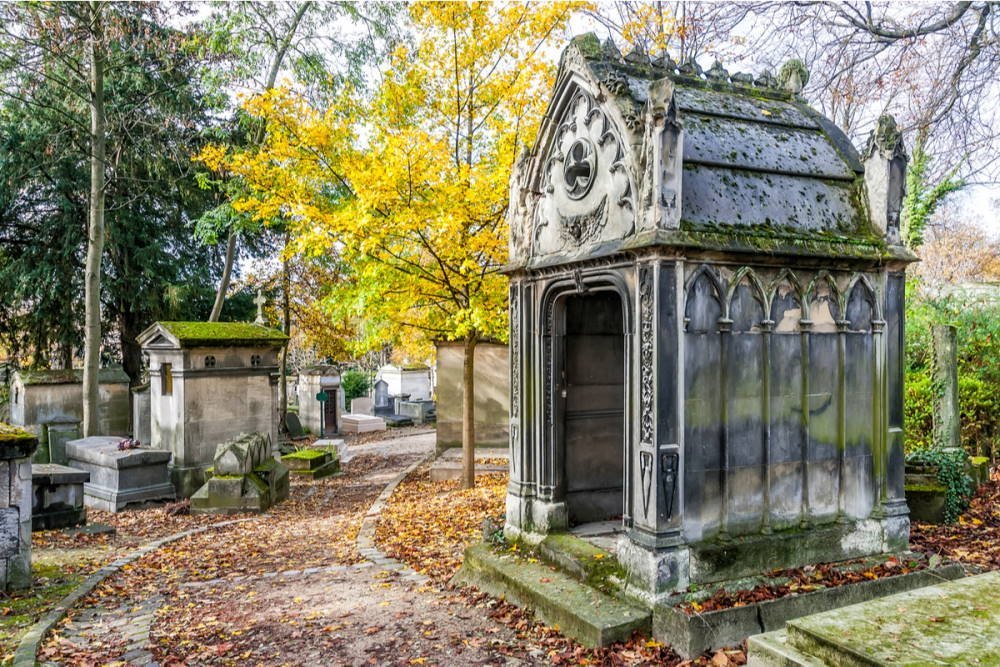 Image 2 of 2
Six Week Class Taught Online Via Zoom
Tuesdays, September 29 - November 3, 2026
6 pm - 8 pm ET
$175 Paid Patreon Members / $185 General Admission
PLEASE NOTE: All classes will also be recorded and archived for students who cannot make that time.
Throughout Western art history, funerary monuments have been a mainstay of artistic production. This course will take students on a journey from prehistory to modern times as we investigate how diverse cultures have honored and commemorated their beloved dead. We’ll begin by crawling into the Earth at Neolithic passage tombs and enter the shadowy underworld of magical encounters with holy ancestors by exploring evidence of shamanic trance rituals and site plans which reflect cosmological influences and correspondences.
Nearly all Ancient Egyptian art is funerary in theme: we’ll thoroughly investigate pharaonic pyramids, funerary temples, their decoration and contents, with special emphasis on the beliefs and processes associated with mummification. Untold thousands of Egyptian mummies await us, and many of them belonged to nonroyal people, or even nonhuman bodies. Explore the range of options available to other ancient inhabitants of the Mediterranean Basin, including cremation urns and caskets for Pagans and interment in catacombs for Early Christians. From the cemeteries of democratic Athens to the imperial mausolea of the Roman Empire, we’ll gain valuable insights into ancient attitudes toward death as well as life.
The Medieval, Renaissance and Baroque worlds will offer up their tombs and cemeteries, which often had elaborate decorative programs rich with theological symbolism. We’ll take a look at the cult of relics as well, and witness the bizarre practices around the veneration of the bodies of the saints. Wave after wave of plague also resulted in aberrations from traditional burial practices, and the archaeological record is replete with mass graves that testify to the horror of the pandemics.
In the last few centuries, funerary practices have diversified and changed often. Devastating global conflicts and domestic tragedies have resulted in enormous cemeteries and monuments to war dead and other victims of violence; we will remember them by paying virtual visits to their final resting places, both in Europe and in the United States.
Each of the 6 weekly meetings will contain a richly illustrated lecture on funerary beliefs, practices, and sites of a particular period. Find out how a dazzling array of cultures have understood and responded to the universal human experience of death. The lecture will be accompanied by suggested readings, homework prompts, and class discussions. The final project will invite you to design your own funerary monument which reflects influence from at least three of the periods or cultures we’ve studied!
Topics covered will include:
Neolithic and Mesopotamian Tombs
Ancient Egyptian Pyramids, Funerary Temples, and Mummies, Including Nonroyal and Nonhuman
Ancient Greek and Roman Cemeteries, Mausolea, and Catacombs
Medieval Tombs, Cemeteries, and Relics
Renaissance and Baroque Tombs, Cemeteries, and Relics
Funerary Monuments of the 18th, 19th, 20th, 21st centuries
Brenda Edgar is an Art Historian in Louisville, Kentucky. In addition to her Morbid Anatomy courses, she offers a free monthly talk series, "Art History Illustrated," at the Cultural Arts Center in New Albany, Indiana. Brenda is also a very busy yoga teacher and continuing education provider. Visit brendaedgar.org to find out more or contact her.
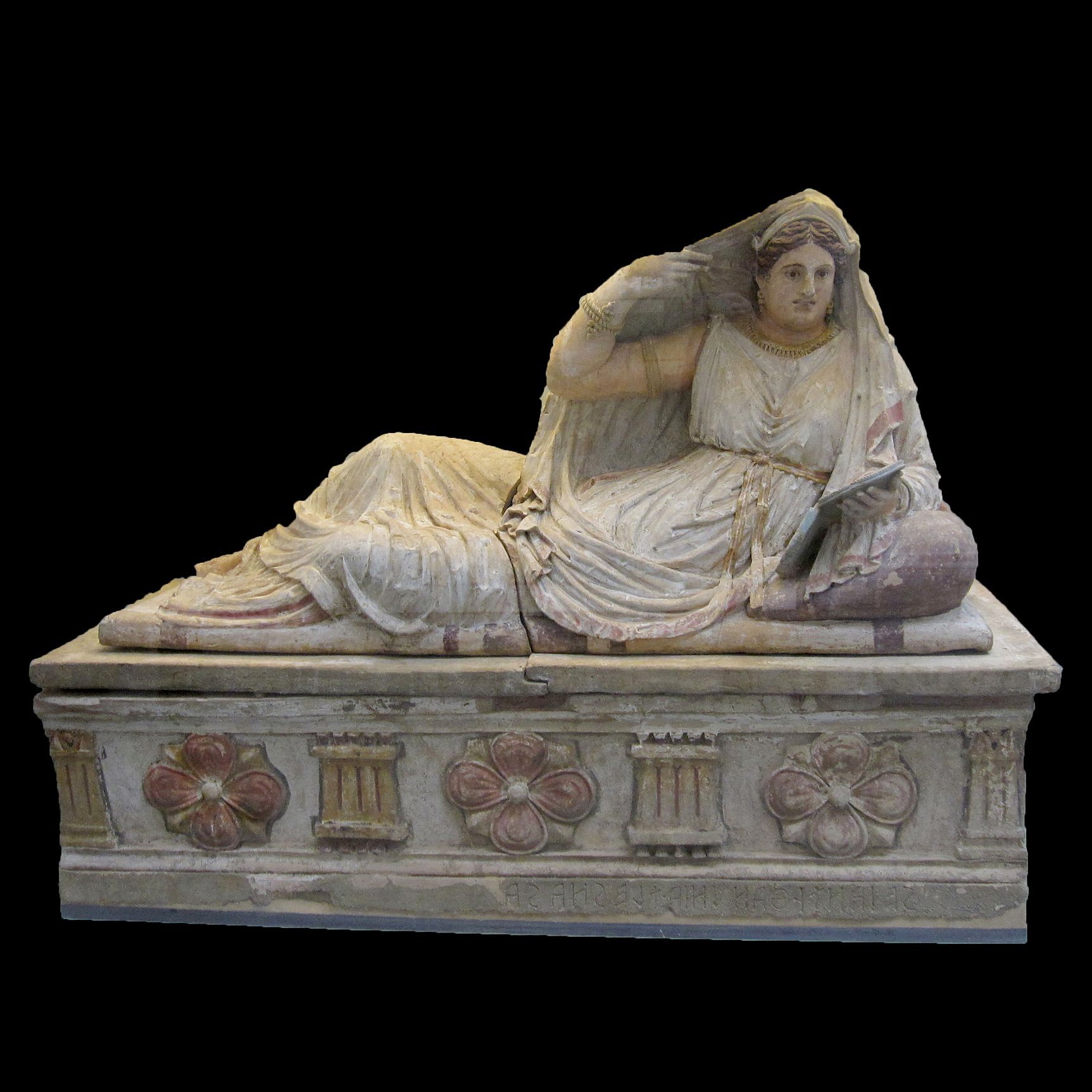
Painted Etruscan terracotta Sarcophagus of Seianti Hanunia Tlesnasa, about 150–130 BCE
Père Lachaise cemetery, Paris
Six Week Class Taught Online Via Zoom
Tuesdays, September 29 - November 3, 2026
6 pm - 8 pm ET
$175 Paid Patreon Members / $185 General Admission
PLEASE NOTE: All classes will also be recorded and archived for students who cannot make that time.
Throughout Western art history, funerary monuments have been a mainstay of artistic production. This course will take students on a journey from prehistory to modern times as we investigate how diverse cultures have honored and commemorated their beloved dead. We’ll begin by crawling into the Earth at Neolithic passage tombs and enter the shadowy underworld of magical encounters with holy ancestors by exploring evidence of shamanic trance rituals and site plans which reflect cosmological influences and correspondences.
Nearly all Ancient Egyptian art is funerary in theme: we’ll thoroughly investigate pharaonic pyramids, funerary temples, their decoration and contents, with special emphasis on the beliefs and processes associated with mummification. Untold thousands of Egyptian mummies await us, and many of them belonged to nonroyal people, or even nonhuman bodies. Explore the range of options available to other ancient inhabitants of the Mediterranean Basin, including cremation urns and caskets for Pagans and interment in catacombs for Early Christians. From the cemeteries of democratic Athens to the imperial mausolea of the Roman Empire, we’ll gain valuable insights into ancient attitudes toward death as well as life.
The Medieval, Renaissance and Baroque worlds will offer up their tombs and cemeteries, which often had elaborate decorative programs rich with theological symbolism. We’ll take a look at the cult of relics as well, and witness the bizarre practices around the veneration of the bodies of the saints. Wave after wave of plague also resulted in aberrations from traditional burial practices, and the archaeological record is replete with mass graves that testify to the horror of the pandemics.
In the last few centuries, funerary practices have diversified and changed often. Devastating global conflicts and domestic tragedies have resulted in enormous cemeteries and monuments to war dead and other victims of violence; we will remember them by paying virtual visits to their final resting places, both in Europe and in the United States.
Each of the 6 weekly meetings will contain a richly illustrated lecture on funerary beliefs, practices, and sites of a particular period. Find out how a dazzling array of cultures have understood and responded to the universal human experience of death. The lecture will be accompanied by suggested readings, homework prompts, and class discussions. The final project will invite you to design your own funerary monument which reflects influence from at least three of the periods or cultures we’ve studied!
Topics covered will include:
Neolithic and Mesopotamian Tombs
Ancient Egyptian Pyramids, Funerary Temples, and Mummies, Including Nonroyal and Nonhuman
Ancient Greek and Roman Cemeteries, Mausolea, and Catacombs
Medieval Tombs, Cemeteries, and Relics
Renaissance and Baroque Tombs, Cemeteries, and Relics
Funerary Monuments of the 18th, 19th, 20th, 21st centuries
Brenda Edgar is an Art Historian in Louisville, Kentucky. In addition to her Morbid Anatomy courses, she offers a free monthly talk series, "Art History Illustrated," at the Cultural Arts Center in New Albany, Indiana. Brenda is also a very busy yoga teacher and continuing education provider. Visit brendaedgar.org to find out more or contact her.
Painted Etruscan terracotta Sarcophagus of Seianti Hanunia Tlesnasa, about 150–130 BCE
Père Lachaise cemetery, Paris