
 Image 1 of 3
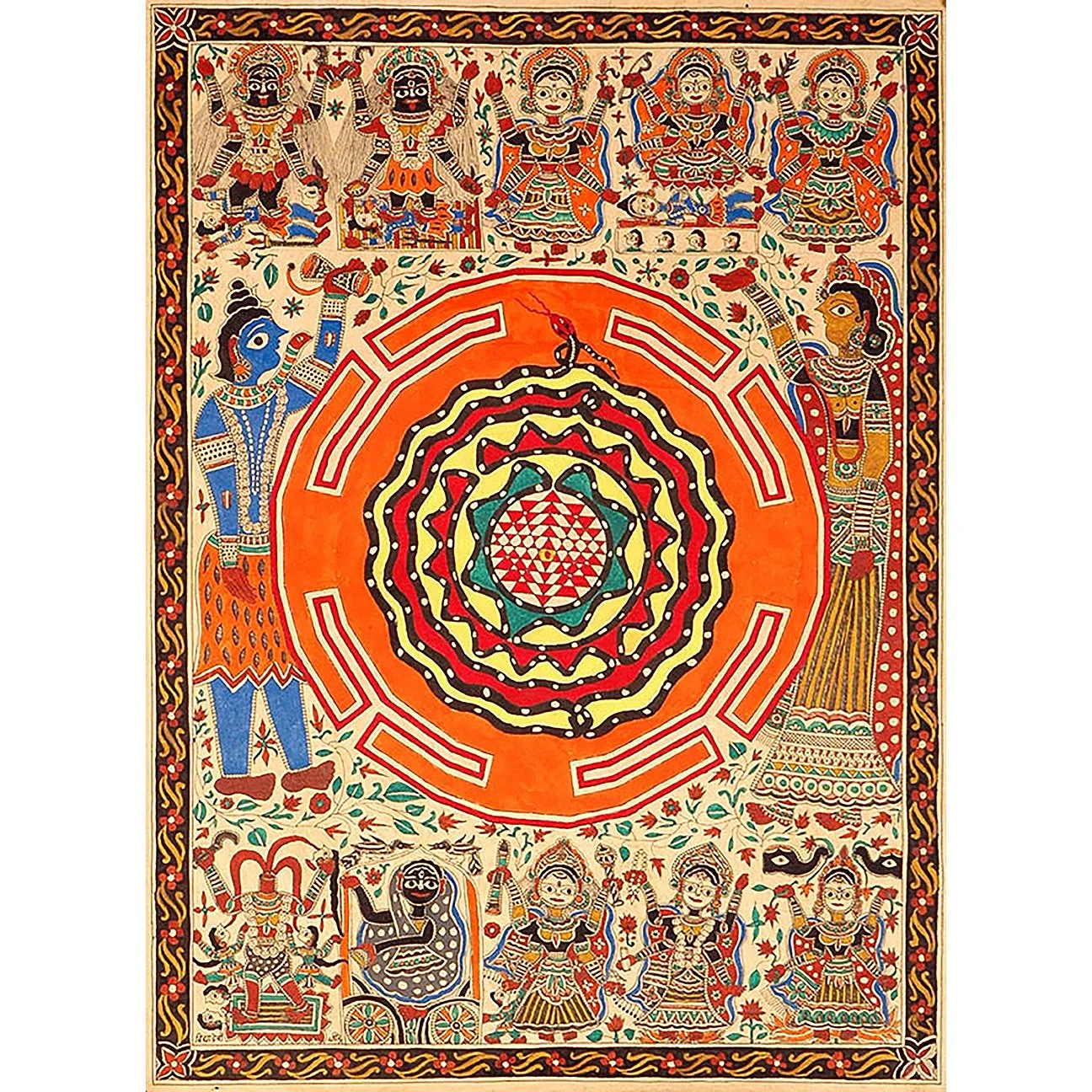 Image 2 of 3
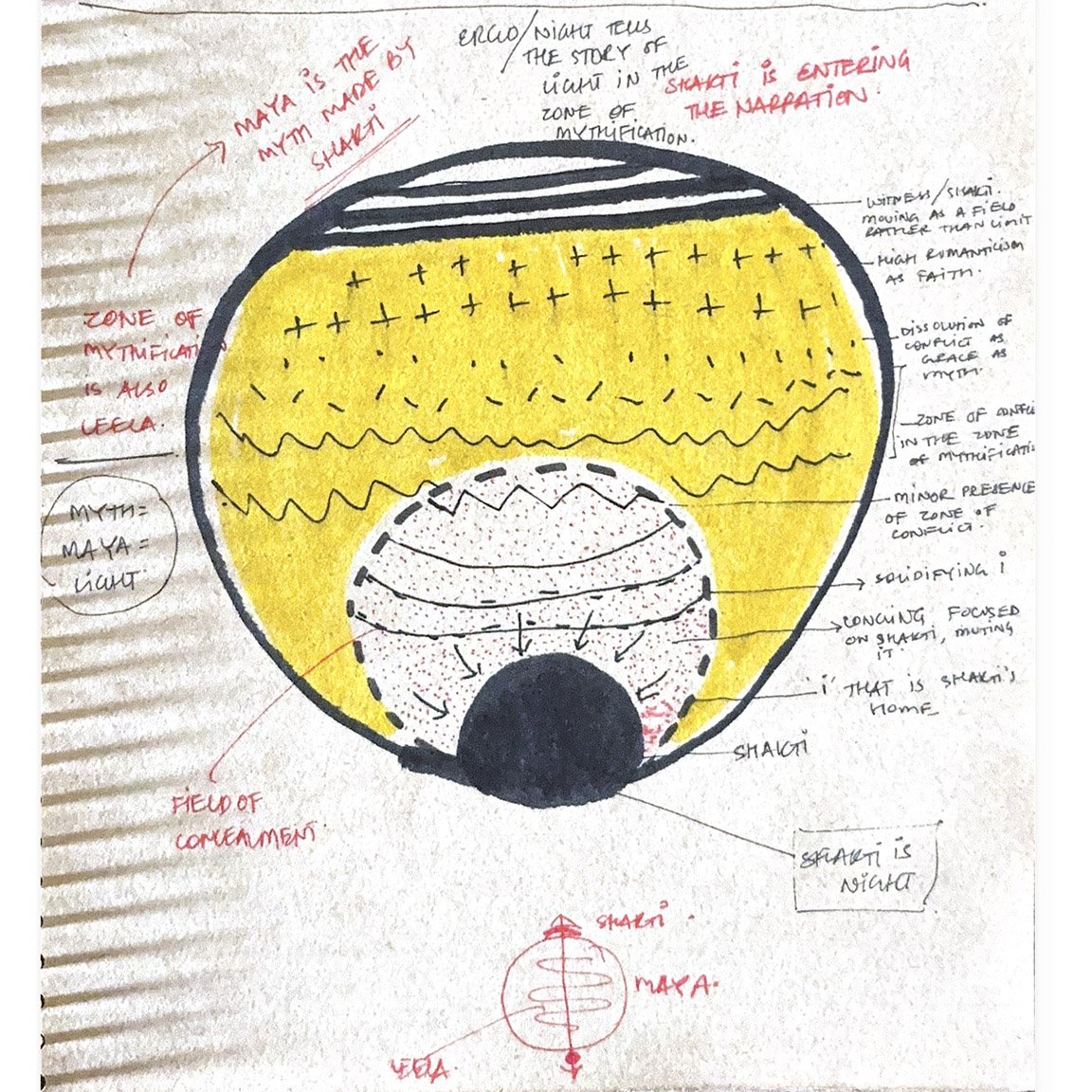 Image 3 of 3
Six Week Class Taught Online Via Zoom
Sundays, November 15 - December 20, 2026
11:00 am - 1:00pm ET (NYC Time)
$180 Paid Patreon Members / $195 General Admission
*Supply List at the bottom
PLEASE NOTE: Classes will be recorded and archived for students who cannot make that time
What if the self is not something we discover, but something we continuously make?
What if memory is not a record of the past, but a collection of fragments that can be rearranged into new potentialities of the self?
And what might happen if we approached collage as a way of making a self rather than representing one?
In this six-week experimental workshop, Indian artist-scholar Ishita Jain invites participants to explore collage as a creative, philosophical, and embodied practice. Working with images, photographs, personal objects, fragments of writing, textures, guided diagrams, and found materials, we will explore how selves are continuously assembled through memory, relationship, environment, inheritance, and imagination.
The workshop begins with a deceptively simple proposition: the self may not be a fixed thing.
Many of us are accustomed to thinking of ourselves as individuals with relatively stable identities: a person with a particular history, personality, body, biography, and set of memories. But there are other ways of imagining a stable self. In Indian philosophical traditions — and particularly in the Trika tradition of Kashmir Shaivism — the self can be understood less as an isolated individual and more as part of a continuous movement of consciousness, relations, and creative becoming.
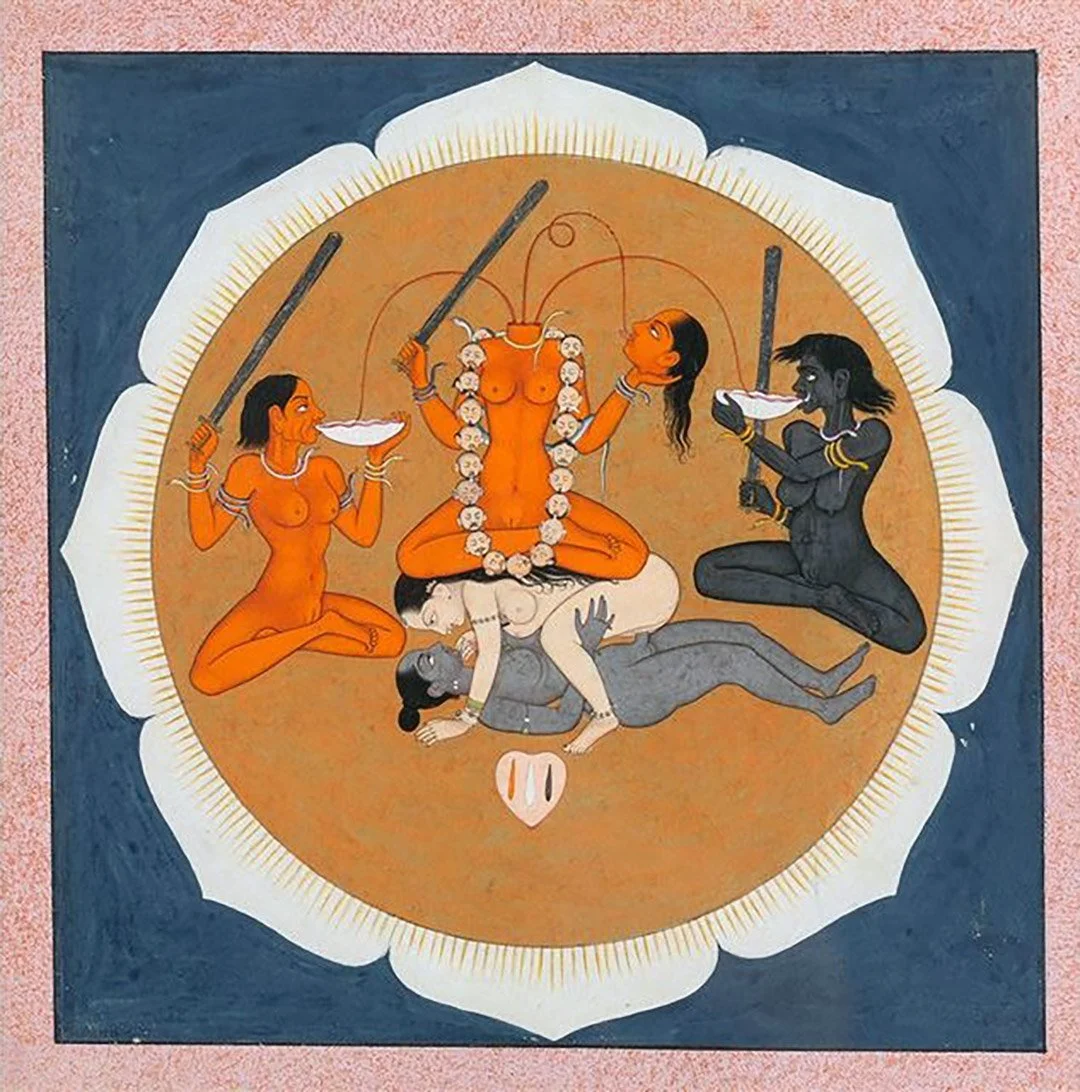
At the centre of this movement is Shakti: the dynamic creative principle through which things emerge, take form, differentiate, transform, and dissolve. Shakti is not simply an external force acting upon the self. It is the movement through which the world — and our experience of ourselves within it — continually comes into being. We will engage with this idea not primarily through the study of philosophy, but through the act of making. And this is where re-membering comes in.
To re-member is to member again; to gather what has been separated and what can be separated and bring these fragments into new relationships. A collage does not necessarily resolve its fragments into a seamless whole. It allows different things to remain visible, contradictory, even strange, while discovering what new relationships become possible between them.
Over six weeks, participants will experiment with myth-fictioning the self, diagramming, image-making, spatial mapping, material assemblage. We will investigate personal archives and everyday materials as sites of memory and transformation, asking what our objects remember, what our images conceal, and what our fragments might become when placed in unfamiliar relationships. The workshop will gradually culminate in the creation of a figurine and/or altar assemblage: a small personal cosmology constructed from images, objects, textures, stories, symbols, and material residues. It might become a self-portrait, shrine, diagram, creature, archive, or something that has no name yet.
Materials
Participants are encouraged to work with materials already available to them and to collect things over the course of the workshop. You might gather:
old magazines, books, newspapers, or printed images
personal photographs
tracing paper and other translucent materials
cardboard and paper scraps
fabric, thread, ribbon, or mesh
mirrors or reflective materials
glue and tape
notebooks and drawing materials
small personal or found objects
domestic remnants and keepsakes
leaves, twigs, stones, and other natural materials
small boxes, containers, or vessels
The ordinary is particularly welcome. A childhood photograph, a grandmother's handkerchief, a broken toy, a scrap of packaging, a stone picked up on a walk — all can become part of the material vocabulary of the work.
No previous experience with collage or art-making is required.
This workshop is for artists, writers, makers, collectors, ritual enthusiasts, educators, and anyone curious about the intersections of mysticism, material culture, memory, philosophy, and experimental artistic practice.
Six Week Class Taught Online Via Zoom
Sundays, November 15 - December 20, 2026
11:00 am - 1:00pm ET (NYC Time)
$180 Paid Patreon Members / $195 General Admission
*Supply List at the bottom
PLEASE NOTE: Classes will be recorded and archived for students who cannot make that time
What if the self is not something we discover, but something we continuously make?
What if memory is not a record of the past, but a collection of fragments that can be rearranged into new potentialities of the self?
And what might happen if we approached collage as a way of making a self rather than representing one?
In this six-week experimental workshop, Indian artist-scholar Ishita Jain invites participants to explore collage as a creative, philosophical, and embodied practice. Working with images, photographs, personal objects, fragments of writing, textures, guided diagrams, and found materials, we will explore how selves are continuously assembled through memory, relationship, environment, inheritance, and imagination.
The workshop begins with a deceptively simple proposition: the self may not be a fixed thing.
Many of us are accustomed to thinking of ourselves as individuals with relatively stable identities: a person with a particular history, personality, body, biography, and set of memories. But there are other ways of imagining a stable self. In Indian philosophical traditions — and particularly in the Trika tradition of Kashmir Shaivism — the self can be understood less as an isolated individual and more as part of a continuous movement of consciousness, relations, and creative becoming.
At the centre of this movement is Shakti: the dynamic creative principle through which things emerge, take form, differentiate, transform, and dissolve. Shakti is not simply an external force acting upon the self. It is the movement through which the world — and our experience of ourselves within it — continually comes into being. We will engage with this idea not primarily through the study of philosophy, but through the act of making. And this is where re-membering comes in.
To re-member is to member again; to gather what has been separated and what can be separated and bring these fragments into new relationships. A collage does not necessarily resolve its fragments into a seamless whole. It allows different things to remain visible, contradictory, even strange, while discovering what new relationships become possible between them.
Over six weeks, participants will experiment with myth-fictioning the self, diagramming, image-making, spatial mapping, material assemblage. We will investigate personal archives and everyday materials as sites of memory and transformation, asking what our objects remember, what our images conceal, and what our fragments might become when placed in unfamiliar relationships. The workshop will gradually culminate in the creation of a figurine and/or altar assemblage: a small personal cosmology constructed from images, objects, textures, stories, symbols, and material residues. It might become a self-portrait, shrine, diagram, creature, archive, or something that has no name yet.
Materials
Participants are encouraged to work with materials already available to them and to collect things over the course of the workshop. You might gather:
old magazines, books, newspapers, or printed images
personal photographs
tracing paper and other translucent materials
cardboard and paper scraps
fabric, thread, ribbon, or mesh
mirrors or reflective materials
glue and tape
notebooks and drawing materials
small personal or found objects
domestic remnants and keepsakes
leaves, twigs, stones, and other natural materials
small boxes, containers, or vessels
The ordinary is particularly welcome. A childhood photograph, a grandmother's handkerchief, a broken toy, a scrap of packaging, a stone picked up on a walk — all can become part of the material vocabulary of the work.
No previous experience with collage or art-making is required.
This workshop is for artists, writers, makers, collectors, ritual enthusiasts, educators, and anyone curious about the intersections of mysticism, material culture, memory, philosophy, and experimental artistic practice.