
 Image 1 of 3
 Image 2 of 3
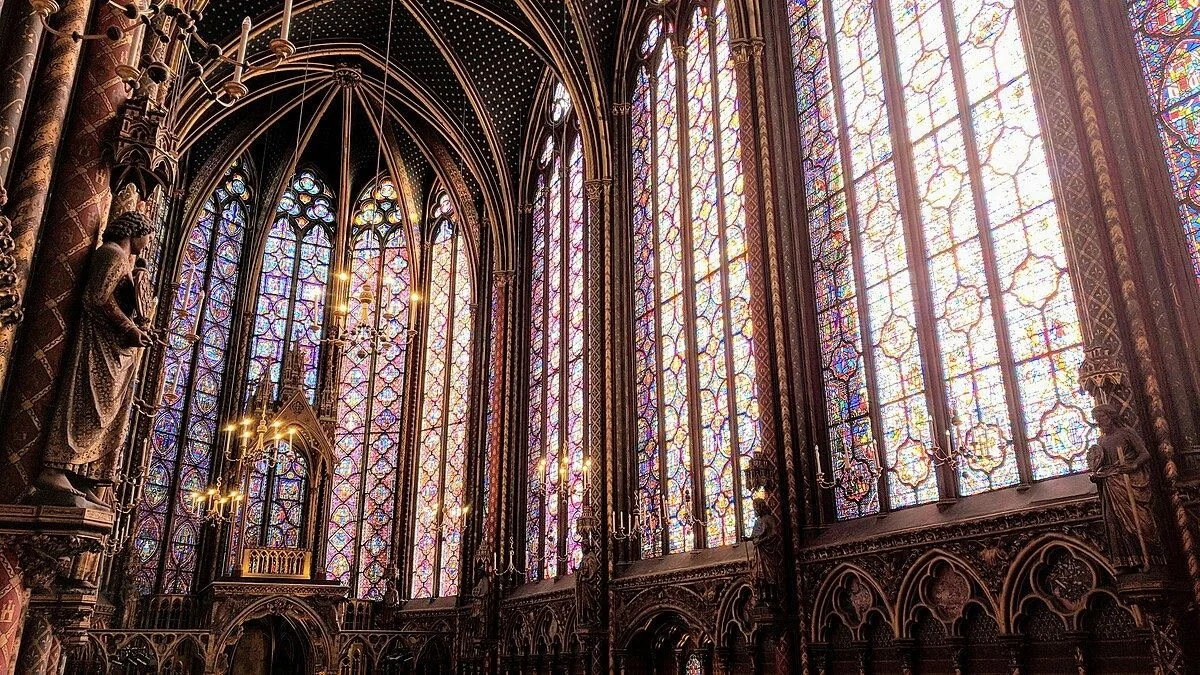 Image 3 of 3
Four Week Class Taught Online Via Zoom
Tuesdays, November 17, 24, December 1, 8 2026
6:00 - 7:30 pm ET (NYC Time)
$125 Paid Patreon Members / $135 General Admission
PLEASE NOTE: Classes will be recorded and archived for students who cannot make that time
Join art historian Brenda Edgar for a remarkable journey of the Gothic from a medieval language of radiant light to one of the most enduring aesthetics of darkness. We begin with Abbot Suger and the first Gothic cathedrals, where stained glass, color, and soaring architecture were engineered to replicate heaven on earth. Even the term “Gothic”—rooted in early associations with the Visigoths and Ostrogoths—began as a critique before evolving into a fascination as the style’s emotional power deepened.
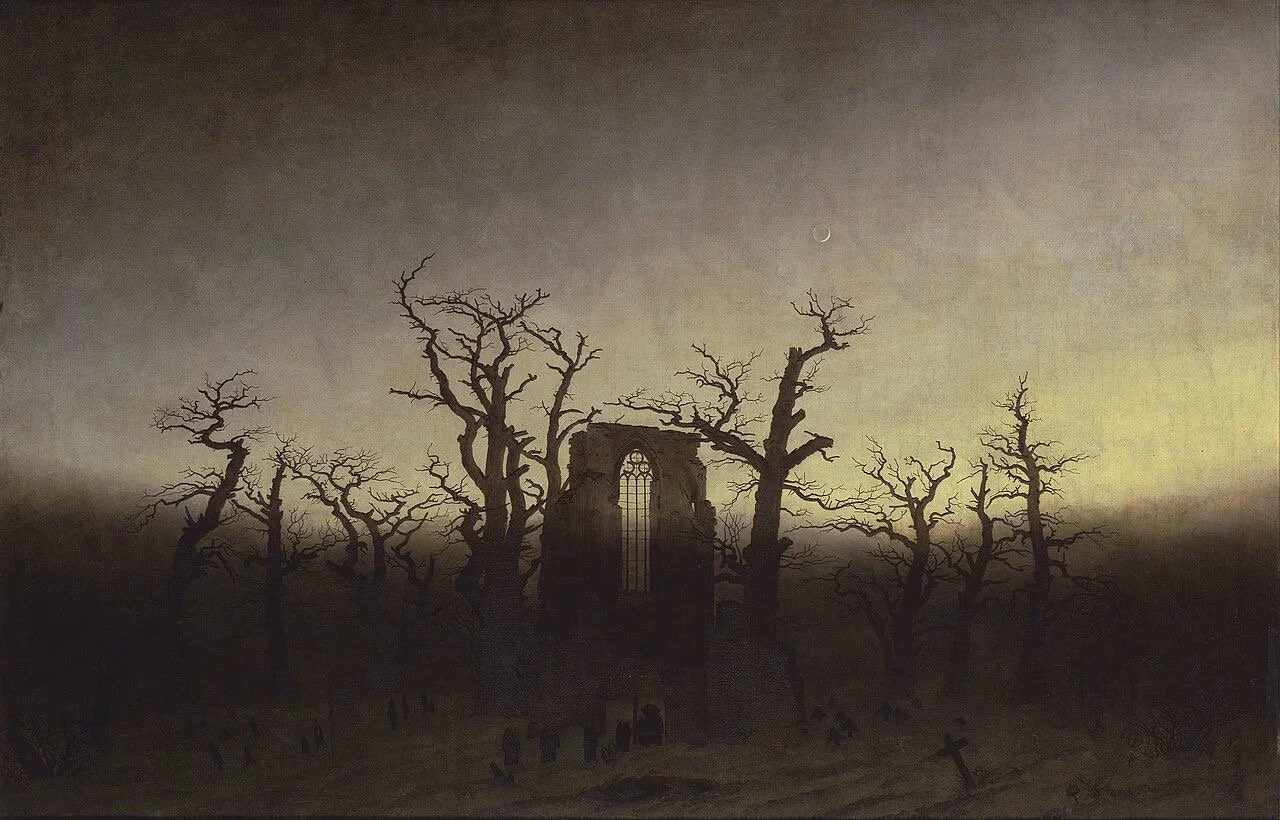
From these luminous beginnings, we follow the Gothic as it drifts into shadow: into the sublime melancholy of Caspar David Friedrich, the ruin-haunted imagination of Victor Hugo, and the twilight reinterpretation of medieval ideals at the Washington National Cathedral. We then trace how this visual and philosophical vocabulary resurfaces across later centuries—in Victorian revivalism, in horror, in post-punk, and in the contemporary darkwave and goth-adjacent music scenes that continue to shape alternative aesthetics today.
Philosophical at heart and richly image-driven, this course invites students to consider why the Gothic persists—and what its transformations reveal about our shifting desires for transcendence, shadow, and the unstable border between them.
Brenda Edgar is an Art Historian in Louisville, KY. Her research interests include relics and reliquaries, medieval medical manuscripts and depictions of disease in medieval art, as well as the historical role of altered states of consciousness in the creation of art. In addition to her work for Morbid Anatomy, she teaches Art History courses at Indiana University Southeast. Her free monthly public talk series, “Art History Illustrated,” is presented at the Carnegie Center for Art and History in New Albany, Indiana. When she isn’t reading or writing, Brenda is a New York Times Crossword Puzzle addict as well as a yoga instructor.
Images: The Abbey in the Oakwood, Caspar David Friedrich, ca. 18th Century; Stained glass interior of the Sainte Chapelle in Paris, France; Robert Smith performing for The Cure on Roskilde Festival 2012. Photo by Bill Ebbesen.
Four Week Class Taught Online Via Zoom
Tuesdays, November 17, 24, December 1, 8 2026
6:00 - 7:30 pm ET (NYC Time)
$125 Paid Patreon Members / $135 General Admission
PLEASE NOTE: Classes will be recorded and archived for students who cannot make that time
Join art historian Brenda Edgar for a remarkable journey of the Gothic from a medieval language of radiant light to one of the most enduring aesthetics of darkness. We begin with Abbot Suger and the first Gothic cathedrals, where stained glass, color, and soaring architecture were engineered to replicate heaven on earth. Even the term “Gothic”—rooted in early associations with the Visigoths and Ostrogoths—began as a critique before evolving into a fascination as the style’s emotional power deepened.
From these luminous beginnings, we follow the Gothic as it drifts into shadow: into the sublime melancholy of Caspar David Friedrich, the ruin-haunted imagination of Victor Hugo, and the twilight reinterpretation of medieval ideals at the Washington National Cathedral. We then trace how this visual and philosophical vocabulary resurfaces across later centuries—in Victorian revivalism, in horror, in post-punk, and in the contemporary darkwave and goth-adjacent music scenes that continue to shape alternative aesthetics today.
Philosophical at heart and richly image-driven, this course invites students to consider why the Gothic persists—and what its transformations reveal about our shifting desires for transcendence, shadow, and the unstable border between them.
Brenda Edgar is an Art Historian in Louisville, KY. Her research interests include relics and reliquaries, medieval medical manuscripts and depictions of disease in medieval art, as well as the historical role of altered states of consciousness in the creation of art. In addition to her work for Morbid Anatomy, she teaches Art History courses at Indiana University Southeast. Her free monthly public talk series, “Art History Illustrated,” is presented at the Carnegie Center for Art and History in New Albany, Indiana. When she isn’t reading or writing, Brenda is a New York Times Crossword Puzzle addict as well as a yoga instructor.
Images: The Abbey in the Oakwood, Caspar David Friedrich, ca. 18th Century; Stained glass interior of the Sainte Chapelle in Paris, France; Robert Smith performing for The Cure on Roskilde Festival 2012. Photo by Bill Ebbesen.